How Much Does Foundation Repair Cost in Indianapolis
Central Indiana's clay soil drives specific failure patterns in Indy homes. Here's what contractors are quoting — and when you need a structural engineer before you spend a dime.

Central Indiana’s clay soil drives specific failure patterns in Indy homes. Here’s what contractors are quoting — and when you need a structural engineer before you spend a dime.
If your back door stopped latching sometime around last May, or if you’ve been staring at a diagonal crack above your dining room window and telling yourself it’s probably nothing — it probably isn’t nothing. Foundation distress is one of the most common and least discussed maintenance realities for Indianapolis homeowners, and the city’s geology makes it more prevalent here than in most comparable Midwestern markets.
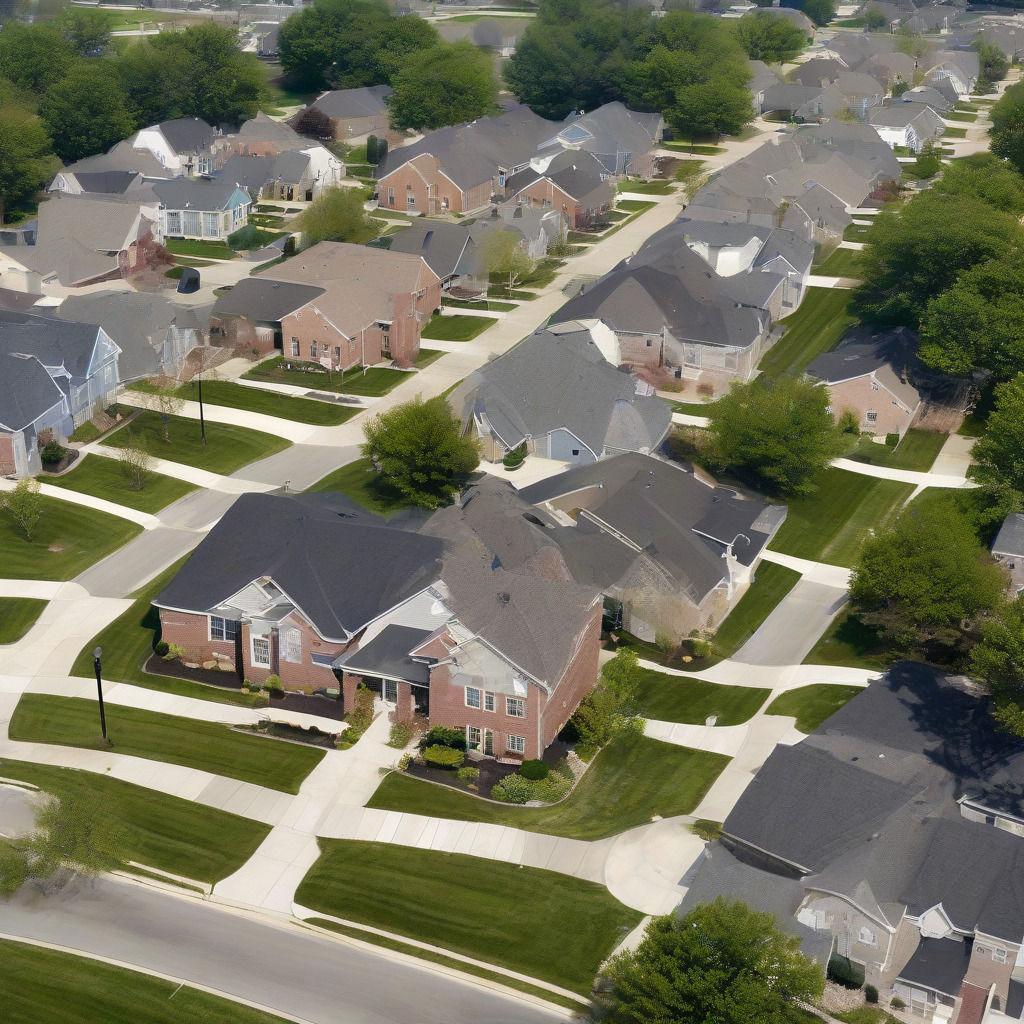
This isn’t a generic settling story. Marion County sits on glacially deposited clay soils that expand, contract, freeze, and heave on a seasonal cycle that amounts to a slow mechanical assault on every foundation in the county. Much of the city’s housing stock was built before engineered fill standards, drainage codes, and waterproofing requirements caught up to what that soil actually demands. Contractors here stay busy — and they know it.
This guide covers foundation repair types and pricing context for Indianapolis, organized by repair category, with the local soil and housing detail that explains why the numbers look the way they do. It also covers when to call a structural engineer before you call a contractor, which is more often than the contractors will tell you.
Pricing note: The ranges in this article reflect national industry baselines from published sources. On-record Indianapolis-specific quotes from Indiana Foundation Service, Midwest Foundation Repair, and at least one independent operator are being sought for substitution before publication. Marion County conditions routinely push jobs toward the upper end of any national range.
The Marion County Soil Problem
Most of Marion County sits on glacial lake deposits dominated by the Brookston and Crosby soil series. Heavy, poorly drained clay. Behavior depends almost entirely on moisture content.
In a wet spring, these clays absorb water and swell. During a dry August, they shrink and pull away from whatever is sitting on top of them. When temperatures drop, saturated clay freezes and heaves. Indianapolis averages roughly 42 inches of precipitation per year. Run that cycle for 50 or 80 years under a foundation designed to sit still and you get exactly what contractors in this market see every week: bowing walls, settlement cracks, doors that won’t close.
The problem has a second dimension in certain neighborhoods. Broad Ripple, Riverside, and other areas near the White River and Fall Creek floodplains sit where the water table can rise quickly after heavy rain — hydrostatic pressure pushing against basement walls from the outside. That’s a different failure mechanism than clay shrink-swell, and it typically requires more extensive drainage work to address. A cracked wall and a wet wall can look similar from the inside. They’re usually not the same problem, and they don’t have the same fix.
A significant share of Indianapolis’s housing stock was built before World War II, in neighborhoods like Irvington, Fountain Square, and Bates-Hendricks, using materials and methods that weren’t designed for this kind of prolonged soil movement. That history matters when you’re trying to understand what kind of problem you have. For buyers weighing older housing stock in these neighborhoods, our home & property coverage addresses what to expect across a range of maintenance and ownership issues.
What Type of Problem Do You Have
Foundation problems in Indianapolis follow patterns tied to where your house sits, when it was built, and what it’s built on. Knowing your likely failure type before you call anyone helps you evaluate what contractors are telling you.
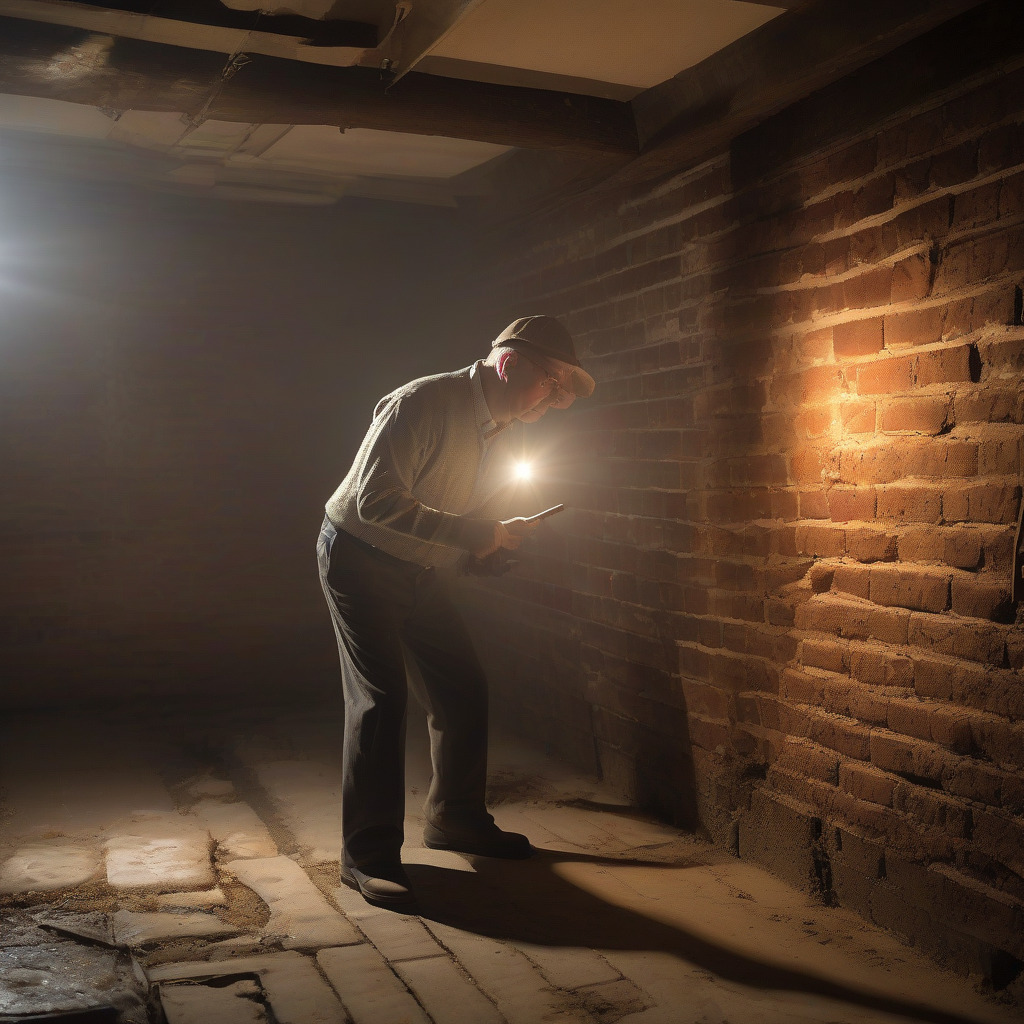
Pre-war rubble stone and brick foundations — common in Irvington, Fountain Square, and Bates-Hendricks for houses built between roughly 1910 and 1945 — were never monolithic to begin with. Decades of clay movement deteriorate mortar joints, cause brick courses to bow inward, and in some cases create structural separation between wall sections. Look for crumbling mortar, white efflorescence staining on interior walls, and walls that visibly curve when you sight down them from a corner. This is among the most complex and expensive repair category in the local market. Stabilizing an unreinforced masonry wall requires more intervention than addressing a cracked poured-concrete wall, and contractors who don’t specialize in it sometimes underestimate the scope.
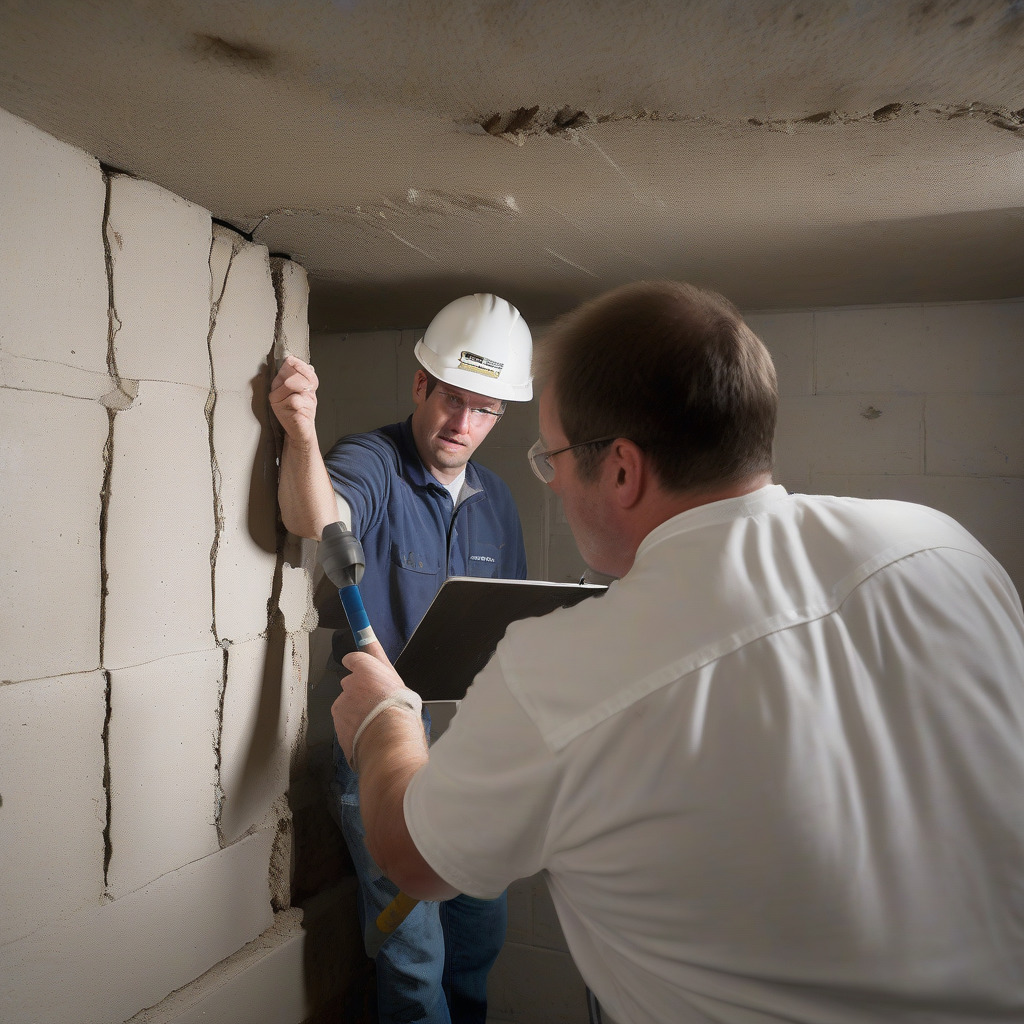
Concrete block foundations from the 1950s and 1960s, concentrated in Warren Township and Lawrence, fail differently. The most common pattern is horizontal cracking at or near mid-wall — the point of maximum lateral pressure from the soil outside. This is a serious structural warning sign and one of the most frequent calls contractors receive from the eastside. If you live out that way and haven’t looked at your block walls recently, do it. Bring a flashlight.
Pike Township presents a different problem: a significant portion was developed on filled land — former agricultural fields, drainage ditches, and low areas that were graded over. Fill that wasn’t properly engineered compresses unevenly under load. One corner sinks more than another, opening gaps in brick veneer, cracking drywall in diagonal lines from window corners, producing floor slopes you can feel underfoot. Underpinning with helical or push piers to reach load-bearing strata below the fill is the standard repair, and the required depth drives cost substantially.
Meridian-Kessler and Butler-Tarkington have enormous trees, and root systems follow water. Clay adjacent to mature trees desiccates as roots pull moisture, which accelerates the shrink-swell cycle right where the foundation is. The damage is usually differential — one section affected while the rest is stable. The tree situation needs to be part of the repair conversation. A contractor who fixes the crack without discussing what’s pulling water from the soil next to it hasn’t solved the problem.
Perry and Franklin Township sit on former agricultural clay fields with minimal natural drainage infrastructure. The shrink-swell cycle here is close to textbook: wide seasonal crack variation, stair-step cracking in brick veneer, basement walls that move measurably between wet and dry seasons. Waterproofing and drainage work is almost always part of the repair picture, not just structural stabilization.
What Foundation Repair Costs in Indianapolis by Repair Type
The price ranges below are national baselines. Indianapolis contractors should be contacted for current local quotes — Marion County clay conditions push jobs toward the upper end of any range, and the age of the local housing stock creates access and complexity issues that generic estimates don’t capture.
Indiana Foundation Service and Midwest Foundation Repair are among the established Indianapolis-area contractors for current pricing. At least one independent operator quote is being sought for comparison before publication.
Foundation Repair Cost Reference (National Baselines — Verify Locally Before Publication)
| Repair Type | National Baseline Range | What Drives Cost |
|---|---|---|
| Epoxy or polyurethane crack injection (poured concrete walls) | $250 – $800 per crack | Crack length, depth, active water seepage |
| Carbon fiber wall straps (bowing block or poured walls) | $4,000 – $12,000 total | Number of straps, wall length, access |
| Steel I-beam / wall anchor bracing | $5,000 – $15,000 total | Excavation required, finished basement, severity of bow |
| Helical or push pier underpinning | $1,200 – $2,500 per pier | Depth to load-bearing strata, site access |
| Full pier underpinning project (8–15 piers typical) | $10,000 – $35,000+ | Pier count, depth, whether drainage is required |
| Mudjacking (slab lifting, concrete slurry) | $500 – $1,500 | Slab size, void depth, injection point count |
| Polyurethane foam slab lifting | $800 – $2,500 | Faster cure, lighter material; preferred on older slabs |
Crack injection — Epoxy works well on stable, non-moving cracks in structurally sound poured concrete walls. It restores tensile strength and seals the wall. Polyurethane foam is the right choice when there’s active water seepage; it expands on contact with moisture and forms a flexible, waterproof plug rather than a rigid bond. Contractors quote these per crack, so a wall with four cracks becomes four line items. Watch for proposals that bundle crack injection with a drainage system sale. Sometimes that’s appropriate. Sometimes it’s selling work the wall doesn’t need. Ask the inspector to explain specifically why the drainage system is warranted for your situation — not a general explanation, your situation.
Wall stabilization — When block or poured concrete walls bow inward, two main options exist. Carbon fiber straps stop further movement but don’t restore the wall to its original position. Steel I-beam systems or wall anchors can, in some cases, be used to gradually pull the wall back over time with periodic tightening. Carbon fiber is less invasive and works well for moderate inward deflection. Steel costs more and requires more disruption, but it’s appropriate for more severe cases. Neither works for walls that have cracked horizontally through their full thickness. That’s a structural engineer conversation before anyone sells you anything — full stop.
Pier underpinning — This is where Indianapolis jobs get expensive, and where Marion County geology most directly affects the price. Helical and push piers work by driving steel through the unstable clay and anchoring into load-bearing strata beneath it. In Marion County, the depth of that stable layer varies by neighborhood and specific lot and isn’t fully predictable from the surface. The national per-pier rate applied to a typical 8-to-15-pier Indianapolis job puts most full underpinning projects between $10,000 and $35,000 or more before any accompanying drainage work. Low-end outcomes in this market require a very specific explanation. Ask what depth the piers were driven to, and verify it’s consistent with the soil profile for your area.
Interior drainage systems — Perimeter drain tile intercepts water at the base of the wall before it can pond on the floor. A channel is cut into the floor at the wall base, filled with gravel and perforated pipe, and routed to a sump pit. This doesn’t stop water from entering the wall — it manages it to a discharge point. For hydrostatic pressure problems in floodplain-adjacent neighborhoods, drainage work is required alongside structural repair. Unmanaged water pressure undermines structural repairs over time. Sump pump installation, battery backup, and discharge line routing add to the base cost.
What Drives Your Quote Higher or Lower
Every contractor will tell you price depends on “the severity of the problem.” True, and not very useful. Here are the specific variables that actually move Indianapolis jobs from one end of a range to the other.
A finished basement adds cost to nearly every repair type — walls have to be opened, flooring removed, everything reinstated after the work. Low crawl spaces, common in some Irvington and Fountain Square homes, restrict equipment and labor significantly. Contractors don’t always mention this until the inspection. Ask about it upfront.
Soil conditions shift seasonally in ways that affect job difficulty. Piers driven through saturated clay require more equipment effort. Fall work, after summer drought has contracted the soil, can be more efficient for certain repair types. The worst inspection findings tend to come in spring and early summer, when soil is wet and pressure against walls is at its seasonal peak. That’s not a coincidence, and it’s worth knowing before you schedule an assessment.
Pier depth is the single largest unknown in underpinning quotes. Reaching load-bearing strata in Marion County means penetrating through the full clay profile, and that depth varies by neighborhood and specific lot. A quote that doesn’t address expected pier depth — or that gives you a per-pier price without a projected pier count and depth — is incomplete. Push for those numbers before you compare quotes.
In neighborhoods with chronic hydrostatic pressure — Broad Ripple, areas near Fall Creek, parts of Lawrence Township — structural repairs without drainage work frequently fail. If a quote for a property in those areas doesn’t include drainage, ask why not. You want to understand the reasoning, not just accept the number.
Material costs for steel, epoxy resins, and carbon fiber composites saw significant post-pandemic price increases that have partially but not fully normalized. Projects quoted several years ago aren’t a useful pricing benchmark today.
Warning Signs That Mean You Need a Structural Engineer First
Most foundation repair companies will assess your foundation free or at low cost, then propose a repair. That’s a reasonable business model. It also means the person doing your assessment has a financial interest in the outcome. For certain categories of damage, paying for an independent structural engineer’s assessment before you sign anything is money well spent.
Horizontal cracking in concrete block walls, especially at mid-wall height, is the single most important trigger for an independent SE review. It indicates active lateral soil pressure exceeding the wall’s capacity — a structural failure condition, not a cosmetic one. The implications for how the wall should be addressed, and whether adjacent structural elements have been compromised, require engineering judgment. Don’t let a contractor talk you past this one.
Stair-step brick cracking that runs continuously for many courses, particularly if it has opened and reclosed seasonally, indicates ongoing movement that an engineer should document before repair options are considered. A single diagonal crack in brick veneer may indicate limited differential settlement. A continuous stair-step pattern that breathes with the seasons is a different situation.
Floor slope exceeding one inch over ten feet deserves attention. Measure it yourself — a level and a tape measure, across multiple sections of floor. This typically indicates significant differential settlement affecting the structural frame, not just the foundation wall. Document where the low points are and how they change over time.
Visible wall lean without a level means the movement has been significant. Hold a straightedge against your basement walls. If you can see the gap, you have a meaningful problem.
Failed prior repairs — if a previous owner had crack injection, wall anchors, or piering installed and those repairs have cracked, pulled loose, or otherwise failed, an SE needs to understand why before anyone installs the next round. The same repair on a wall that’s still moving isn’t a solution; it’s a delay.
FHA or VA financing on a home with a known foundation issue will likely require a structural engineer sign-off before closing. Confirm current lender requirements with a local lender or current HUD guidance before publication.
Structural engineer assessments for residential foundation evaluations in Indianapolis typically run between $300 and $800, depending on complexity and whether a formal written report is required. Verify current fees with local SE firms before publication. What you get is a written assessment: what’s wrong, what’s causing it, what repair approaches are appropriate, and what performance to expect. That document is useful to a lender, useful to a contractor who needs to understand the scope, and useful to the next buyer when you sell.
Marion County Permit Requirements for Foundation Work
The City of Indianapolis and Marion County operate as a consolidated government, and building permits for structural work run through the Department of Business and Neighborhood Services (BNS). Reach them through indy.gov. Verify current permit thresholds and fee schedule directly with BNS before publication — thresholds can change with code cycle updates. BNS permit portal: indy.gov/activity/building-permits.
Structural work — pier installation, wall anchors, underpinning — almost certainly requires a building permit. Cosmetic crack injection in a structurally sound wall generally does not. Interior drainage work occupies a gray area; call BNS directly to confirm the current threshold before assuming either way.
Ask every contractor, before you sign, whether they will pull a permit for your job. Ask them to show you where the permit threshold falls for the specific work they’re proposing. A contractor who tells you major structural work doesn’t require a permit is either misinformed or is trying to avoid the inspection that comes with permitted work. Both are reasons to keep looking.
How to Vet a Foundation Repair Contractor in Indianapolis
Indiana requires contractor registration. Verify it before you hire.
The Better Business Bureau profile for a company that has operated in Indianapolis for more than five years will show complaint patterns that a single positive review won’t. Look specifically at warranty disputes and post-repair failures. A company can do clean work the majority of the time, and the rest will show up there.
A company that pulls its own permits is accountable to the inspection process. A company that asks you to pull the permit yourself, or says no permit is needed for work that clearly requires one, should be removed from your list. For formal complaints, the Indiana Attorney General’s Consumer Protection Division handles contractor disputes.
Foundation repair companies offer lifetime or transferable warranties. Read the exclusions before work starts. Common voidance conditions include failure caused by drainage problems that were identified but not addressed, failure outside the repaired area, and failure following excavation or landscaping near the repair zone. The exclusions matter more than the warranty headline.
If a company’s inspector is also the company’s salesperson, and the company charges for an “engineering assessment” performed by a company employee rather than a licensed PE, that is not an engineering assessment. Ask whether the assessment is performed by a licensed structural engineer. Ask for their PE license number. The distinction is significant.
The NARI Indianapolis chapter and ASHI-certified home inspectors in the local market are reasonable sources of contractor referrals with no commission relationship. Inspectors who regularly see foundation repair work done well and poorly develop informed opinions about which local companies hold up over time. Worth a call.
High-pressure same-day sales tactics are documented across the foundation repair industry — nationally and locally. A legitimate company will give you time to get multiple quotes and won’t require a signed contract as a condition of a free inspection. If you feel rushed, that is information.
Act Now or Watch It for a Season
Hairline vertical cracks in poured concrete walls — stable for multiple seasons, no water intrusion, no accompanying floor slope or door problems — are one end of the spectrum. Fine diagonal cracks at window corners in brick veneer that haven’t changed over two or more years. Minor efflorescence staining without active water or structural movement. For these situations: photograph the crack with a coin or ruler in frame, note the date, and check it in 60 to 90 days. If it hasn’t changed, you’re watching a stable condition. Annoying, not an emergency.
Horizontal cracking of any width in block walls is a different category. So is any crack that has measurably widened over weeks. Water intrusion that appeared after a crack opened warrants immediate attention. Visible wall movement that has affected door or window function should be assessed. Significant floor slope that has developed or worsened in the past year should not wait.
One seasonal note: late summer is when Marion County clay is at its driest. New cracks appear most frequently in August and September, as soil pulls away from foundations. When fall rains recharge the clay and it swells back against the foundation, a marginal situation can deteriorate quickly. If you find new cracking in late summer, fall is not the time to wait and see.
Quick version: Is the crack horizontal? Get it looked at now. Has it changed in the last 30 days? Same answer. Is there water coming through? Same answer. Is it vertical, hairline, stable, and dry? Document it and check it next month.
Foundation repair is expensive, disruptive, and permanent. The quality of the diagnostic decision matters as much as the quality of the repair. Indianapolis homeowners are dealing with a soil environment that will keep testing their foundations every year — it’s not a problem you solve once and walk away from. Understanding what’s happening and what it should actually cost to fix puts you in a better position than homeowners who sign after a forty-minute sales inspection. That’s how a lot of these jobs get sold in this market, and it’s rarely the outcome that benefits the homeowner.
CityDesk Indianapolis covers local business, development, and consumer issues for Marion County residents. Reporter verification note: all pricing ranges in this article reflect national industry baselines and must be replaced with on-record Indianapolis-specific quotes from Indiana Foundation Service, Midwest Foundation Repair, and at least one independent operator prior to publication. BNS permit thresholds, SE assessment fee range, FHA/VA lender requirements, and Indiana contractor registration process to be confirmed by direct contact before final edit.