What Is Actually Selling in Fountain Square and Who Is Getting There First
Prices have normalized since the 2022 peak. Entry-level bungalows are still available below $200K. Virginia Ave development keeps moving. Here's what the market data shows.

Prices have normalized since the 2022 peak. Entry-level bungalows are still available below $200K. Virginia Ave development keeps moving. Here’s what the market data shows.
The frenzied bidding wars of 2021 and 2022 are over. What followed was a correction, and that correction has largely played out. What remains is a buying window that looks nothing like the speculative free-for-all that preceded it — and nothing like a sleepy discount market either, which is what a naive reading of “price normalization” might lead you to expect. Buyers who show up informed are getting good assets at defensible prices. Buyers who show up thinking they have unlimited time are watching those assets go to someone who did their homework first.
Here’s what publicly available data, permit filings, and market structure say is happening right now.
What the Closed-Sale Numbers Actually Show in 46203
Published estimates for ZIP code 46203 place the median closed sale price somewhere around $185,000–$215,000, based on pre-2026 trend data. This covers Fountain Square proper, the blocks east toward Shelby Street, and south toward Garfield Park. We’re seeking verification against current MIBOR closed-sale records and Marion County Assessor transfer data and will update this report when confirmed.
What the market structure shows clearly: well-priced, move-in-ready properties are moving faster than the broader market average. Properties carrying significant deferred maintenance or priced above $300,000 are sitting considerably longer. The market has gone selective — which is different from slow, and buyers sometimes confuse the two.
One clarification for anyone doing online research: 46203 and 46225 are not the same market. Fletcher Place, which carries the 46225 ZIP, sits immediately northwest of Fountain Square and runs meaningfully higher — proximity to downtown employment and more finished housing stock drive that gap. If you’re using a metro-level or even a broad “Near Southside” aggregate to calibrate Fountain Square pricing, you’re looking at blended numbers that will mislead you in both directions depending on what you’re buying.
The Property Type Breakdown
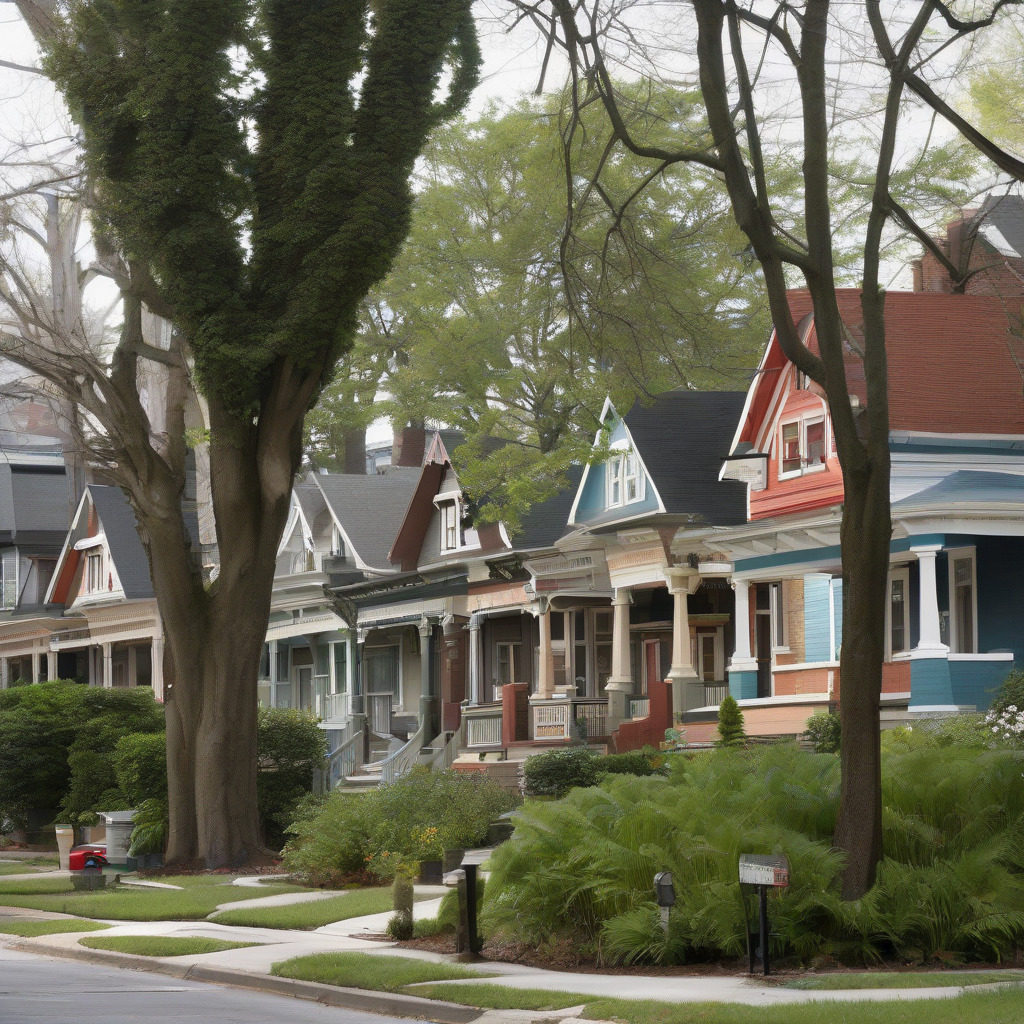
Fountain Square’s housing stock is dominated by structures built between roughly 1910 and 1945. Worker cottages and bungalows in the 800-to-1,400-square-foot range. Four-square two-stories. A scattering of doubles and small multifamily that have been converting back to single-family over the past decade. Modest homes in various states of stewardship — and the difference between a well-maintained bungalow and a neglected one on the same block can swing value by $60,000 or more.
What a given budget actually buys here in early 2026:
Below $160,000 captures distressed inventory. Properties with deferred mechanical systems, sometimes foundation or water infiltration issues, frequently in need of full cosmetic renovation. These exist, and investors are competing for them, but supply is thinner than it was several years ago. Buyers at this price point need to be prepared for substantial renovation costs and permitting timelines that the historic overlay complicates. Contractors who haven’t worked within the historic district before will underestimate your project schedule. Budget for that before you fall in love with a listing.
The move-in-ready middle — call it $175,000 to $240,000 — is where most of the competitive activity is happening. Bungalows and cottages in this range are structurally sound. They may have an updated kitchen or a remodeled bath, but not necessarily both. Livable without immediate capital outlay. If you’re actively shopping right now, you’re competing with other serious buyers in this band, and some of them are coming in with cash from Columbus and Chicago.
Higher up, the fully renovated product — homes taken down to studs and brought back with contemporary kitchens, updated mechanicals, and finish levels that design-conscious buyers will pay for — starts around $275,000 and runs past $350,000. These properties are selling. Competition thins out considerably though, which means real negotiation room exists if you’re willing to pay what actually-finished work commands.
One emerging segment deserves attention: the adaptive-reuse condo inventory along Virginia Avenue. Loft-style units carved out of former commercial buildings, ranging from around $180,000 to $280,000 depending on square footage and finish. There isn’t enough closed comp data yet to establish a reliable appreciation trend — this product is still too new to the neighborhood for that. But it’s selling, and it attracts a different buyer profile: more mobile, less interested in yard maintenance, walkability-focused. These aren’t bungalow buyers. The two groups rarely cross-shop.
Is the Neighborhood Still Appreciating or Has It Plateaued?
Available data suggests the post-2022 correction has largely stabilized. The ZIP is posting modest positive appreciation, probably low single digits annually — which, to be honest, is about as unexciting as it sounds. That figure needs confirmation against current MIBOR quarter-over-quarter data, but the trend doesn’t support either a continuing slide or a return to the 2021–2022 pace that had people making offers sight-unseen from out of state.
The more important number for buyers evaluating current purchase prices is assessed value exposure. The 2024 Marion County reassessment cycle pushed assessed values in gentrifying ZIPs — including 46203 — sharply upward. For a buyer financing a purchase in the $195,000–$220,000 range, that updated tax load belongs in your affordability calculation. It’s a number that competing coverage almost universally omits, which is a real disservice to buyers trying to model actual carrying costs. A $210,000 purchase today carries a different annual tax obligation than the same house would have in 2023. Run those numbers before you fall in love with the payment.
Who Is Actually Buying Here
The buyer profile has shifted noticeably. Fountain Square’s earlier phase was characterized by artists, buyers comfortable with uncertainty, and investors absorbing distressed inventory ahead of an appreciation wave. That cohort has largely given way to owner-occupants — often professionals who’ve already decided they want the neighborhood’s cultural identity and are looking for something close to move-in ready. They know what they want. They’ve probably already eaten at Bluebeard.
Out-of-state relocators are a real cohort too. Indianapolis’s relative affordability compared to peer metros continues to pull buyers from Columbus, Cincinnati, Chicago, and higher-cost coastal markets. Agents working the Near Southside mention it consistently when they talk about where their cash offers are coming from. If you’re a local buyer wondering why a listing you liked went to an offer you couldn’t see — this is often part of the answer.
Multiple offers have normalized rather than disappeared. Correctly priced listings in the move-in-ready band still generate competition. Above $280,000, competition thins and negotiation is genuinely back on the table. If you’re selling at $295,000, be realistic about inspection contingencies in a way a seller at $215,000 probably doesn’t need to be.
Virginia Ave and Shelby Street Development Pipeline
The commercial and mixed-use activity along Virginia Avenue between Prospect Street and the Shelby corridor will be the most consequential factor in where Fountain Square’s residential prices go from here. Buyers pricing property today without understanding what’s actually approved and under construction on Virginia Ave are making a bet on their own research — or lack of it.
The Indianapolis Department of Metropolitan Development permit database, Board of Zoning Appeals meeting minutes, and Metropolitan Development Commission records are the authoritative sources for what’s actually approved and building. Readers and buyers should consult the City of Indianapolis DMD portal directly for the current status of specific projects before making location-based purchase decisions. Public record review makes clear that the Virginia Ave corridor has active applications and approvals in the pipeline — not merely announced projects with polished renderings and optimistic timelines.
The Tube Factory Artspace at 1125 Brookside Pkwy S Dr has pulled creative-class buyer interest to adjacent blocks in a way that shows up in closed-sale patterns. The Near Eastside TIF district has been reinvesting tax increment in streetscape improvements — upgraded sidewalks, lighting, intersection work on segments of Virginia Ave — and that infrastructure provides real price support for nearby residential. That said, several projects announced with fanfare in 2022–2023 have moved slowly or stalled entirely. The pace of development on Virginia Ave is real but uneven, and buyers pricing in a specific commercial amenity that hasn’t opened yet are taking on execution risk they should acknowledge honestly.
How Commercial Activity Is Moving Residential Prices Block by Block
Properties within two to three blocks of the Fountain Square Theatre Building at 1105 Prospect St carry a consistent premium over comparable properties farther from the core. Closed-sale patterns show this clearly — proximity to the neighborhood’s most recognizable commercial anchor pulls money to nearby blocks in a way properties three blocks out simply don’t experience.
The blocks immediately adjacent to Virginia Avenue itself are more complicated. C-3 and D-8 commercial zoning along the corridor means that buyers one or two lots off the avenue are purchasing with full legal exposure to whatever commercial use develops next door or across the street. For buyers who value urban energy, that’s an asset. For buyers sensitive to noise, late-night activity, or parking competition, it’s a real consideration — one that agents are obligated to disclose but that buyers sometimes underweight when they’re touring on a quiet Tuesday afternoon. Visit on a Saturday night. Seriously.
Active construction on the Ave will be a reality through most of 2026. Spring inventory — the largest and most representative wave of owner-occupant listings — will arrive alongside active job sites and mid-project streetscape disruption. What looks manageable at 2 p.m. on a Thursday can feel quite different at 10 p.m. on a Saturday, and there’s no substitute for actually being there at different times before you make a $200,000 decision.
The Garfield Park Conservatory renovation and the park itself, just south of the 46203 footprint, have had a measurable positive effect on residential interest at the neighborhood’s southern end — worth knowing if you’re evaluating blocks closer to the park and wondering whether the distance from the Fountain Square core works against you.
What Buyers Need to Know Before Making an Offer
Historic district overlay affects a significant portion of Fountain Square. Exterior renovation work — window replacement, siding changes, porch modifications — requires a certificate of appropriateness from the Indianapolis Historic Preservation Commission before permits are issued. For bungalow buyers planning cosmetic upgrades, this process adds time and constrains material choices. It’s not prohibitive, but you need to know what you’re getting into before you’re in it. One buyer we spoke with planned a four-week porch renovation and ended up with twelve weeks of permitting and review before construction started. Plan accordingly.
Adjacent commercial zoning creates a boundary effect that’s easy to miss when you’re focused on the house itself. Virginia Avenue’s C-3/D-8 zoning affects what can be built or converted on lots immediately adjacent to the corridor. Pull the zoning map for your specific parcel before closing, not after. The vacant lot next door may not remain vacant in the way you’re imagining.
Seasonal inventory skew is real and chronically under-acknowledged. Winter listings in 46203 — meaning what’s on the market through roughly mid-March — skew noticeably toward distressed properties, investor flips, and estate sales. Owner-occupants selling well-maintained homes tend to list in the spring, when curb appeal is more flattering and buyer traffic is higher. If you’re doing your market research in January or February, you’re looking at a sample that significantly underrepresents what the neighborhood’s best owner-occupant housing actually looks like. The spring 2026 inventory wave will give a more accurate picture — and will bring considerably more buyer competition with it, as we track in our Indianapolis home and property coverage.
The Current Moment
The entry window in Fountain Square is still open. It’s narrowing.
At the bottom, distressed bungalows priced below $160,000 still exist, but supply has contracted sharply from what it was in 2018 and 2019. The neighborhood’s most obvious unrenovated inventory has been absorbed — first by investors who made money on it, then by the correction that returned some of that inventory to the market, now by a second wave of investors and owner-occupants working what remains. There’s less of it every year.
In the move-in-ready middle, the value case is intact but the margin for error has compressed. The low-single-digit annual appreciation the ZIP appears to be posting is steady, not spectacular. You’re buying for the neighborhood and the location, not for a quick appreciation story. If that’s the honest value proposition and it still works for you, this market makes sense.
What the Virginia Ave pipeline suggests about the next residential price move is directionally positive but unevenly distributed. Blocks within easy walking distance of completed mixed-use projects will likely see a proximity premium develop. Blocks farther from the commercial corridor, or sitting across from underutilized parcels, will appreciate more slowly — probably considerably more slowly.
The buyer positioned to capture the remaining value here has done the specific work: which blocks, what condition tolerance, what renovation capacity, what the zoning actually allows to happen on adjacent lots. The days when Fountain Square forgave sloppy underwriting because the tide was rising fast enough to cover mistakes — those days are over.
Price ranges and market figures in this article are based on pre-2026 trend data and estimates. This publication is seeking verification against current MIBOR closed-sale records and Marion County Assessor transfer data; confirmed figures will be published as an update to this report.