What Indiana Law Actually Lets Renters Do When a Landlord Won't Make Repairs
Withholding rent will likely get you evicted. Marion County renters have three real legal paths. Here's how all of them work.

Withholding rent will likely get you evicted. Marion County renters have three real legal paths. Here’s how all of them work.
The Most Dangerous Piece of Advice on the Internet Right Now
If you’ve searched “Indiana tenant rights repairs” in the last few years, you’ve probably landed on a national legal aggregator — Nolo, LawDepot, a state-by-state renters’ rights roundup — that told you something like this: withhold rent until repairs are made, or place your rent in escrow to force your landlord to act.
That advice is wrong for Indiana. Dangerously wrong.
Indiana doesn’t have a statutory rent withholding remedy. No rent escrow remedy either. If you stop paying rent — even over a legitimate, fully documented heating failure in January — your landlord can serve a pay-or-quit notice and file for eviction. Indiana courts will process that eviction on nonpayment grounds. Your habitability complaint, however valid, won’t automatically stop the proceeding. You’ll owe back rent plus court costs, and you may lose your housing.
The advice circulating on generic legal sites comes from California, New York, Illinois — states with statutory withholding and escrow frameworks that Indiana’s legislature hasn’t adopted. The national sites build one template and apply it everywhere, which is convenient for them and genuinely dangerous for you. For Indianapolis renters who follow that advice, the consequence can be an eviction record that follows them for years.
This piece exists because that misinformation gap is most dangerous between October and February. Heating failures are the dominant complaint category for Marion County code enforcement during these months, and they’re the most urgent habitability issue renters face. A broken furnace in a Near Eastside rental or a Haughville apartment isn’t theoretical — it’s a health emergency. Renters in that situation need to know what the law actually allows them to do before they make a move that costs them their lease.
Indiana renters have three real legal paths when a landlord refuses to make repairs: a Marion County code enforcement complaint, a small claims court action for habitability damages, and the doctrine of constructive eviction. Each has specific requirements, realistic timelines, and real trade-offs. This piece maps all three.
What Your Landlord Is Actually Required to Fix
Indiana’s habitability statute is IC 32-31-8. It requires landlords to maintain rental property in a condition that is safe and fit for human habitation. IC 32-31-8-5 specifically covers structural integrity, working plumbing and electrical systems, adequate heat, waterproofing, and pest protection.
That heating requirement deserves a closer look. The statute requires “adequate heat” — language general enough to mean something in a courtroom but vague enough that renters aren’t sure what threshold triggers a violation. The Indianapolis Housing Code runs alongside state law with its own enforcement mechanism and a specific, measurable heating standard, which is more useful in practice. You can cite that standard in a code enforcement complaint, in a letter to your landlord, and in small claims court. When you file, verify the current city code citation with Indiana Legal Services or a code enforcement inspector — the specific section number matters when you’re putting it in writing.
The statute has limits. Normal wear and tear isn’t a landlord violation. Damage the tenant caused isn’t covered. There are also carve-outs for certain single-family dwellings depending on lease terms. If you’re renting a single-family home, read your lease carefully and confirm with Indiana Legal Services whether those exceptions apply.
Here’s the question every renter eventually asks: how long does my landlord have to fix this? Indiana law doesn’t give a fixed number of days for most repairs. The statute requires action within a “reasonable time” after written notice. What courts treat as reasonable depends on urgency. A heating failure in January almost certainly requires action within days, not weeks. A broken interior door or a slow drain might allow closer to 30 days before a court would consider the landlord in violation. The urgency of the situation determines the clock; the tenant’s written notice starts it.
Before You Do Anything Else, Send Written Notice and Document Everything
Written notice to the landlord is the legal trigger for every remedy described here. Code enforcement can issue violations without it, but your position in small claims court or a constructive eviction claim is significantly weaker without it. A court will want to see that you notified your landlord of the problem, gave them a chance to fix it, and they failed to act.
Your written notice doesn’t need legal language. It needs to state the problem, the date, and your request for repair. Something simple: “The furnace stopped producing heat as of November 14th. I am notifying you in writing and requesting immediate repair.”
Send it by certified mail. That creates a dated delivery record with the landlord’s signature. Email and text with read receipts also work, especially when timing matters. In a January heating emergency, speed matters more than a perfect paper trail — text and email are fast, certified mail is cleaner if this ends up in court. Screenshot the delivery and read status immediately if you use text.
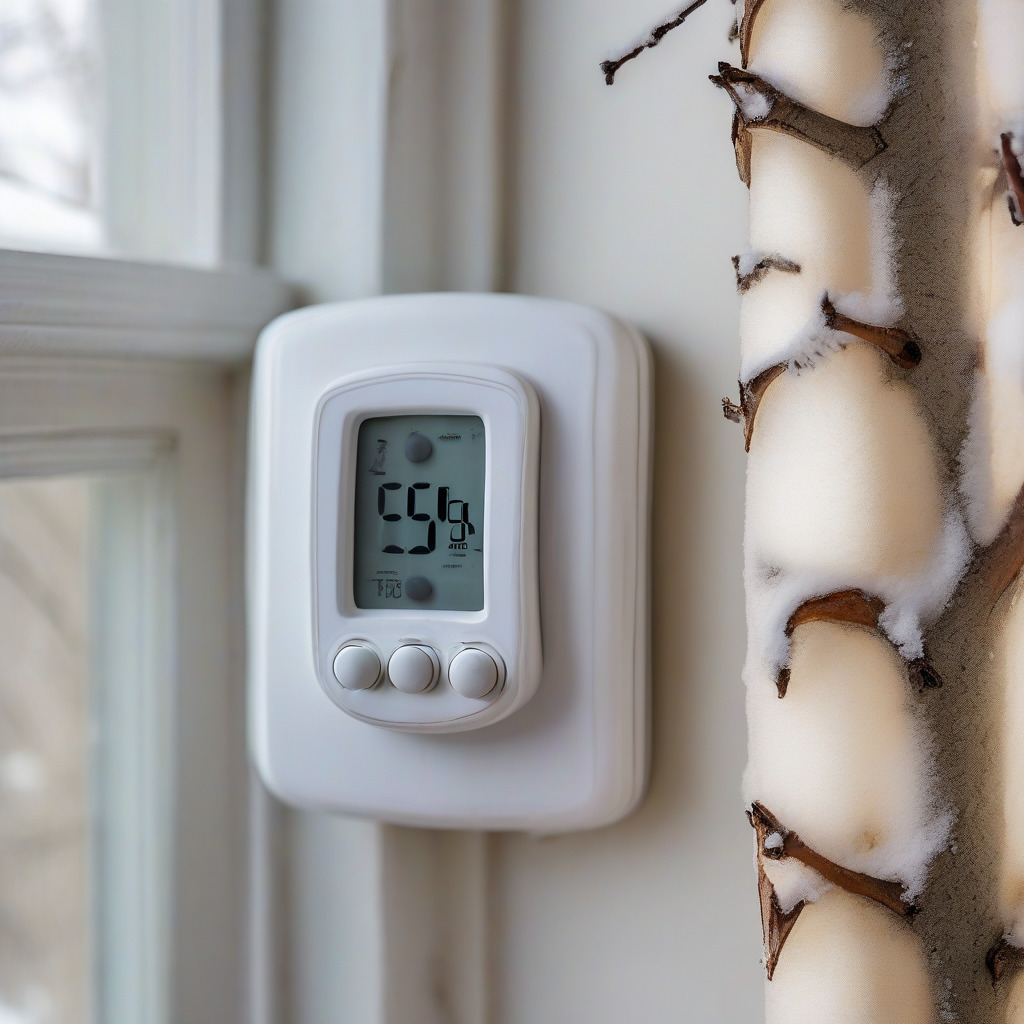
Document the condition photographically with timestamps. If your heat is out, photograph a thermometer showing interior temperature alongside a window showing outdoor conditions. Write down the date, time, and substance of every conversation with your landlord about the repair — including conversations where they said nothing useful, and including silence. Save every response, or non-response.
Everything that follows depends on this step. No exceptions.
Path One: How to File a Marion County Code Enforcement Complaint
This is the fastest enforcement tool Indianapolis renters have. It directly pressures a landlord to act without putting the tenant’s housing at legal risk.
Marion County code enforcement complaints are submitted through the City of Indianapolis’s RequestIndy portal. Search for the current submission URL at indy.gov — the city has migrated portal systems before, and the active link should be confirmed directly. The RequestIndy mobile app also accepts complaints.
If you don’t have reliable internet access or prefer to call, contact Indianapolis Code Enforcement directly. Verify the current phone number at indy.gov before calling.
When you file, select the category that matches your complaint: no heat, structural damage, plumbing failure, pest infestation. Include your address, unit number, a description of the problem, and the date it started. Upload photographs if you have them. Note whether you’ve already notified your landlord in writing.
Emergency complaints — no heat during cold weather, sewage backup, structural hazard — are prioritized for faster inspector response. Non-emergency matters take longer. If your heat is out during cold weather, mark your complaint as emergency and call the phone line in addition to filing online. Don’t assume the online form conveys the urgency.
The inspector will visit the property and evaluate conditions against the Indianapolis Housing Code. If a violation is confirmed, the landlord receives a Notice of Violation with a compliance deadline. A heating violation in winter carries a shorter window than a non-emergency defect. The landlord must make the repair and request reinspection. Failure to comply can result in fines.
What code enforcement can do: issue violations and enforce compliance deadlines. What it can’t do: pay for repairs, require immediate fixes, or directly remediate dangerous conditions in most cases. For renters in the Near Eastside, Fountain Square, Haughville, Lawrence, and other areas with older rental stock and historically higher complaint volumes, code enforcement is meaningful — just not complete. It works best when combined with written notice and, when necessary, small claims court.
Keep your complaint number. Get a copy of any inspection report. A violation on your landlord’s record becomes evidence if you later pursue damages.
Path Two: Suing Your Landlord in Marion County Small Claims Court
Indiana small claims court exists for situations like this: disputes under $10,000 where the parties don’t need attorneys to navigate the process. For Indianapolis renters, it’s a realistic option to recover actual financial damages caused by a landlord’s habitability failures. As part of our legal & finance coverage, we’ve mapped out several of these Marion County court processes in detail — including how to file a small claims case in Marion County Superior Court if you want a step-by-step procedural walkthrough.
You can recover the difference in rental value between what you paid and what the property was actually worth during the period it was uninhabitable. You can recover documented out-of-pocket costs for alternative housing — hotel stays, nightly rentals — incurred because the unit was uninhabitable. If your landlord retaliated against you for filing a code enforcement complaint or requesting repairs, IC 32-31-8-6 provides for damages plus attorney fees.
A note worth making plainly: Indiana doesn’t provide automatic treble damages for habitability violations. Some national tenant-rights sites reference treble damages, but those don’t apply here. Your recovery is tied to actual, documented losses. This is exactly why maintaining a detailed record from the moment the problem starts matters.
Indiana does permit repair-and-deduct in limited circumstances — a tenant can have an emergency repair made and deduct the cost from rent after providing proper notice and allowing reasonable time for the landlord to act. In practice, this is rarely sufficient. Furnace repair in Indianapolis can run several hundred to over a thousand dollars; full furnace replacement considerably more. Indiana’s statutory cap on repair-and-deduct doesn’t meaningfully cover those numbers. The option exists; it just doesn’t stretch far enough to matter in most heating emergencies.
Current Marion County Small Claims Court filing fees should be confirmed directly with the Marion County Clerk’s Office or through the clerk’s page at indy.gov. Fees are updated periodically.
Something competing content consistently ignores: Marion County Small Claims Court operates at the township level. The correct venue is determined by where the rental property is located, not where you currently live. Marion County has multiple township small claims divisions — Center, Lawrence, Pike, Warren among them. Filing in the wrong township can delay or complicate your case. Look up which township your rental address falls in before you file.
From filing to hearing typically runs five to ten weeks. You’ll present your documented evidence: written notice to the landlord, photographs, code enforcement complaint and inspection records, receipts for alternative housing. The landlord responds. Judgments are civil, not criminal, but a judgment in your favor is enforceable through standard collection processes.
Path Three: When You Can Legally Walk Away From Your Lease
Constructive eviction is a common law doctrine — not a statute — that allows a tenant to terminate a lease without penalty when a landlord’s failure to maintain habitable conditions effectively forces them out. Indiana courts recognize it. It’s also the path most likely to go wrong if you use it without legal advice first.
Three requirements, and all three must be met.
First, the condition must be serious enough to substantially interfere with your use and enjoyment of the property. A heating failure that brings interior temperatures below safe levels qualifies. A broken appliance or a repair you find inconvenient but not dangerous almost certainly does not.
Second, you must have provided written notice and allowed a reasonable time for repair before treating the lease as terminated. Written notice is required here too. A court will want to see that you told the landlord about the problem and they failed to act.
Third, you must actually vacate within a reasonable time after the condition arises. You can’t claim constructive eviction while continuing to live in the unit indefinitely.
The risk of getting this wrong is real: if you vacate and claim constructive eviction but the court determines the condition didn’t meet the legal standard, you may still owe the remaining rent under your lease. That’s a painful outcome for someone who already moved. Don’t use this path without talking to a lawyer first. Call Indiana Legal Services before you move, not after.
What Indianapolis Does and Doesn’t Offer Beyond State Law
Renters sometimes hear that Indianapolis has additional protections worth knowing about. It largely doesn’t, and it’s worth being direct about that.
Indianapolis has no rent control ordinance. No just-cause eviction requirement. A landlord can decline to renew a lease without providing a reason, as long as they’re not retaliating or discriminating. There’s no local rent escrow remedy that supplements state law. The Indianapolis City-County Council has not enacted significant independent tenant protection legislation.
What the city does provide is the code enforcement infrastructure described above, and the Indianapolis Housing Code’s specific, measurable heating standard — more useful in practice than the state statute’s general “adequate heat” language. That’s narrower than renters might hope, but it’s real. Confirm the current code citation with an inspector or Indiana Legal Services when you file.
Free and Low-Cost Legal Help for Indianapolis Renters
Indiana Legal Services (ILS) is the primary free civil legal aid organization serving low-income Indianapolis residents. They handle both eviction defense and habitability cases. Their Indianapolis office is at 151 N. Delaware St., Suite 1800. Intake information and current contact details are at indianalegalservices.org. Eligibility is income-based — confirm current thresholds directly with ILS, as they vary by program.
If you’re facing eviction after filing a code enforcement complaint, contact ILS immediately. Retaliation claims are among the stronger defenses available, and building one takes time — you need it before the court date, not the morning of.
ILS has limited intake capacity, and demand spikes sharply during heating season and again in early spring when lease nonrenewals peak. Don’t wait until the situation is acute.
Neighborhood Christian Legal Clinic offers free consultations for individuals who may not qualify for ILS or who need a first conversation before committing to a path. Confirm current hours and intake availability before visiting — community legal clinics can shift schedules.
The Indiana Bar Foundation’s Lawyer Referral Service connects renters with private attorneys when paid representation makes sense. If your damages exceed the small claims cap or your situation involves complex retaliation or discrimination claims, a consultation with a landlord-tenant attorney may be worth the cost.
The Two-Track Strategy: Running Code Enforcement and Written Notice at the Same Time
Most tenant-rights content presents code enforcement, small claims, and constructive eviction as separate options to evaluate in sequence. That framing leaves renters weaker at every stage.
Run written notice and code enforcement simultaneously, from day one.
When a repair goes unaddressed, send written notice by email and by certified mail. File a code enforcement complaint through the RequestIndy portal at indy.gov the same day. Document the condition photographically with timestamps before you do either. You’re not choosing between the written notice clock and the city enforcement mechanism — you’re building a record that supports every option that comes next.
If you flagged your complaint as emergency — a heating failure during cold weather qualifies — inspectors should respond more quickly than for non-emergency matters. If your landlord hasn’t responded to your written notice within a few days of a heating failure, follow up in writing: “I have not received a response to my notice of [date]. The condition has not been repaired. I am asking again for immediate action.”
By week two, if the landlord still hasn’t acted and code enforcement has issued a Notice of Violation, you now have official documentation of the deficiency. Consult Indiana Legal Services if you haven’t already — particularly if your landlord has retaliated for the complaint, attempted to enter without proper notice, or threatened nonrenewal. Start calculating actual damages: days the condition persisted, what you paid for alternative accommodations, the difference between what you paid in rent and what the unit was actually worth uninhabitable.
By week four, with a landlord still refusing to repair, you have documented written notice, a code enforcement violation, and an accumulated damage record. That’s a small claims filing with real evidentiary support. If the condition has been severe enough and you’ve consulted an attorney, constructive eviction may also be on the table — but only with a lawyer’s assessment of whether your specific facts meet the standard.
The renters who come through these situations intact are the ones who built a record from day one and didn’t make any dramatic moves — vacating, withholding rent, sending legal ultimatums — without understanding exactly what those moves would cost them. Indiana law doesn’t give renters rent withholding or escrow. What it does give them is real enough, if they use it correctly.
For code enforcement complaints, use the RequestIndy portal at indy.gov or call Indianapolis Code Enforcement — verify the current number at indy.gov before calling. For legal assistance, contact Indiana Legal Services at indianalegalservices.org or visit their Indianapolis office at 151 N. Delaware St., Suite 1800.