Which Indianapolis Neighborhoods Have the Worst Catalytic Converter Theft Problem in 2026
A Martindale-Brightwood resident walked out to her 2007 Toyota Prius on the Near Eastside one morning and found it sitting lower than usual on the passenger side. A thief had been underneath it som…

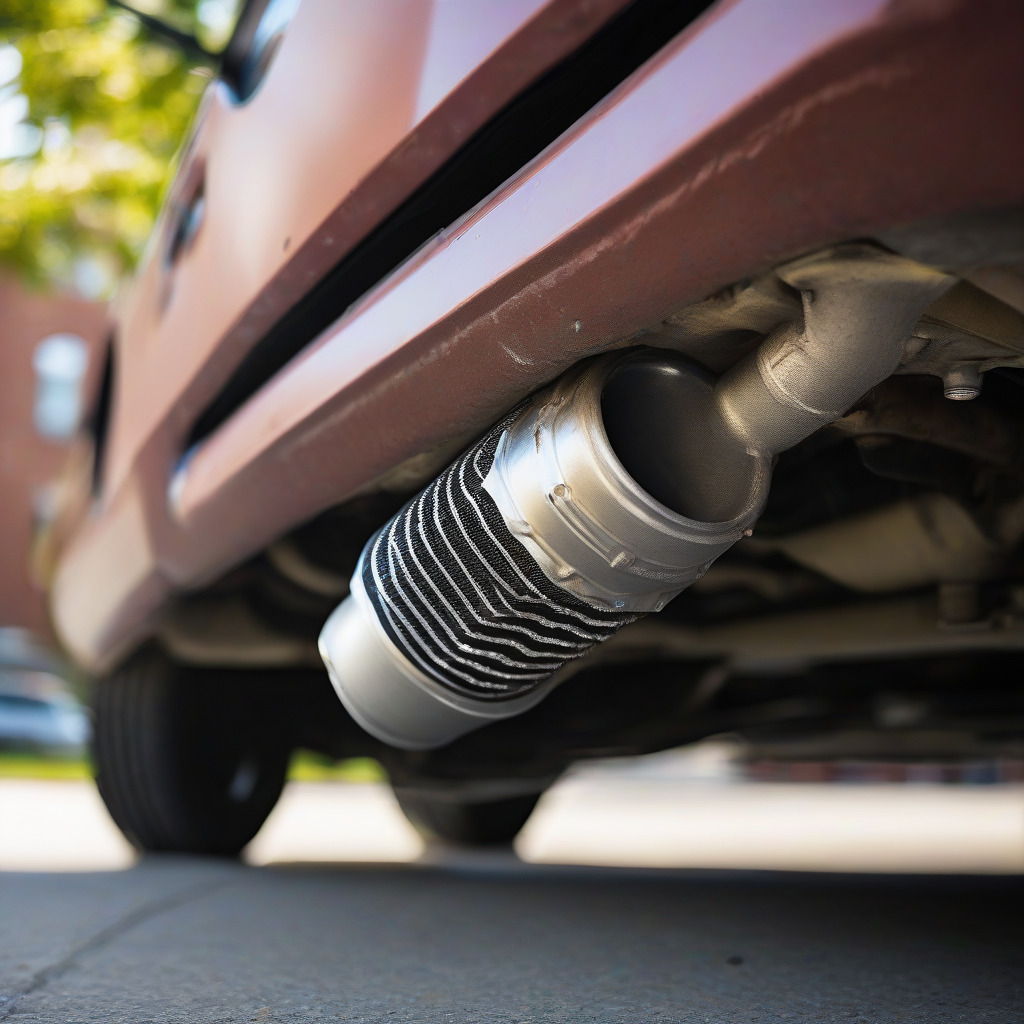
A Martindale-Brightwood resident walked out to her 2007 Toyota Prius on the Near Eastside one morning and found it sitting lower than usual on the passenger side. A thief had been underneath it sometime overnight. The catalytic converter was gone. Her insurance deductible was $1,000. Everything above that came out of pocket, plus days without a car while the shop waited on parts.
That’s the reality of catalytic converter theft in Indianapolis in 2026. This is not a 2021 story that aged out when metal prices softened nationally. Marion County still generates hundreds of incidents per year. The geographic patterns have tightened into identifiable corridors. And most residents still don’t know whether their car is on the target list or what a shield would cost them at a shop twenty minutes away.
This piece maps where the thefts are concentrated, names which vehicles are hit hardest locally, gives real installed prices from Indianapolis shops, and walks through what an insurance claim actually looks like for an Indiana driver.
Where It’s Happening in Indianapolis
IMPD uses six patrol districts: Northwest, Northeast, East, Southeast, Southwest, and Downtown/Central. Converter thefts concentrate in specific districts based on incident data available through IMPD CrimeMapping, which logs reports by address and category. The East and Northwest districts have historically shown elevated auto-related theft concentrations.
The publicly accessible CrimeMapping portal confirms concentration by zip code. The five zip codes in Marion County most associated with converter theft reports are 46201, 46218, 46222, 46208, and 46219.
46201 covers the core of Martindale-Brightwood and the Near Eastside, bounded roughly by I-70 to the south and 38th Street to the north. Dense older rental housing stock, almost all street parking — it’s been persistently high-volume for years.
46218 includes much of the east-central residential corridor. The concentration of older Toyotas and Hondas in the vehicle mix here matters, for reasons covered in the next section.
46222 is Haughville and the Near Westside neighborhoods west of the White River. Commercial strips with overnight street parking run through this zip, and the blocks go quiet early.
46208 takes in Mapleton-Fall Creek and portions of the near-Northwestside. Residential streets sitting next to light commercial blocks, the kind of mixed zoning that leaves cars unattended in odd corners overnight.
46219 covers the Eastside running east toward Warren Township. A growing cluster of incidents has been documented by district officers in recent patrol reports — it’s newer to the list than the others, but it’s on it.
Park on the street overnight anywhere in these five zip codes and you’re in the highest-risk geography in the county. Current 2025–2026 district-level incident totals broken out specifically for converter theft require a public records request to IMPD. CityDesk has submitted that request and will update this report when data is received.
Is Your Car on the List
IMPD incident reports don’t consistently record vehicle make and model in converter theft cases. The department logs the report address and the nature of the theft, but often not the vehicle details that would let residents know if their own car is statistically at risk. That’s a frustrating gap — and a fixable one that the department hasn’t chosen to fix.
What we have instead is national targeting data cross-referenced against what Indianapolis shops report seeing on their lifts. Here’s what comes in most often:
Toyota Prius, 2004–2009. The top target, locally and nationally. The converter on these years contains a higher concentration of palladium and rhodium than almost any other passenger vehicle. The 2004–2009 generation is specifically hunted over newer models because the converter is a single-piece unit that’s accessible and fast to remove. If you own one of these and park on the street in any of the five zip codes above, you are the intended victim.
Honda Element, 2003–2011. The Element’s tall ride height and exposed undercarriage are the problem. The converter hangs in a position that requires almost no maneuvering to reach. Thefts on these show up repeatedly in apartment lots and street parking in 46201 and 46218.
Ford F-250 and F-350, gasoline versions. Despite the trucks’ size, the converter sits in an accessible position. Marion County theft volume on these concentrates in commercial lots near the Northwest district’s industrial corridors.
Chevrolet Equinox, 2005–2017. The converter sits exposed at the midpoint of the exhaust. There are a lot of Equinoxes registered in Marion County, which is part of why the numbers are what they are.
Lexus RX, 2004–2009. Like the Prius, it carries a high precious-metal load in the converter. Incidents cluster in the Northeast and Northwest districts.
A driver of a 2007 Prius in 46201 can’t go to a government database and find how many Priuses were hit within a mile of their address last year. That should exist. It doesn’t.
What Protection Costs at Indianapolis Shops
Two main options: a welded shield — a metal cage or plate that physically covers the converter — or a welded exhaust clamp that makes cutting the converter free significantly slower and harder. Both work as deterrents. Thieves move to easier targets. Nobody’s doing a fifteen-minute extraction when there’s an unprotected car parked thirty feet away. No protection is theft-proof, but that’s not really the point. The point is being the second-hardest car on the block.
Midas has multiple Marion County locations, including W. 86th St. and E. 38th St. Installed shield or clamp pricing for common target vehicles typically runs $150–$400 depending on make, model, and shield type. Call ahead; same-day installs on common models may be available when parts are in stock.
Christian Brothers Automotive, 5802 N. Keystone Avenue, sources shields through the MillerCAT product line. They install but don’t fabricate. Call for a vehicle-specific quote. Install time runs 60–120 minutes.
Speedway Muffler and Brake, near IMS, handles consistent converter repair volume and offers welded clamp installations. Given how many cars they see post-theft, they know the common targets well. Call for current pricing and availability.
For target vehicles: a welded clamp or bracket typically runs $100–$200 in labor and materials. A full cage shield for a Prius — Cat Security brand is the standard — runs closer to $250–$450 installed. A MillerCAT clamp usually lands in the $150–$300 range. Most jobs take a single morning. Converter replacement on a 2007 Prius currently runs $2,000–$3,500 at Indianapolis shops. Do that math once and the shield price stops feeling optional. For broader context on local auto theft patterns and prevention, this is part of our coverage of Indianapolis vehicle ownership and automotive topics.
The Insurance Reality Check for Indiana Drivers
Converter theft is a comprehensive claim, not a collision claim. That distinction matters enormously in Indiana, because the state minimum is liability only. A significant portion of drivers in high-theft zip codes — particularly 46201, 46218, and 46222, where older vehicles and tighter household budgets are common — carry liability-only policies. Those drivers have zero insurance recourse when a converter is stolen. Zero. The entire repair bill is theirs.
For drivers who do carry comprehensive, the deductible math is blunt. At a $500 deductible on a $2,500 Prius repair, you pay $500. At a $1,000 deductible — which many drivers choose to lower their monthly premium — you pay $1,000. Either way, the claim goes on record as a comprehensive loss.
Here’s the question most drivers don’t think to ask: will that claim affect your renewal rate? Some Indiana insurers don’t surcharge for a first comprehensive claim. Others do. The answer varies by company and by policy. Ask before anything is stolen. Seriously — this is a five-minute phone call.
Indiana Farm Bureau Insurance has strong Indianapolis-area presence. Ask specifically: what is the surcharge policy after a first comprehensive theft claim, and what’s the average claim-to-payment timeline for a converter theft?
Pekin Insurance is a Midwest regional carrier with Indianapolis agents who are responsive on comprehensive questions. Pekin offers rental car coverage activation, which matters — converter repairs take four to seven days while shops wait on parts, and four to seven days without a car is not a minor inconvenience for most people.
Erie Insurance has a reputation among Indiana agents for competitive comprehensive rates. Ask about their first-claim policy specifically.
If you’re on a liability-only policy and you park in any of the five high-risk zip codes, get a comprehensive quote this week. The Indiana Department of Insurance (317-232-2385) can answer questions about your rights in the claims process and provide consumer complaint data on specific insurers if you want to check a company’s track record before you buy.
Has Indiana’s Scrap-Dealer Law Made a Dent
Indiana House Enrolled Act 1124 requires scrap metal dealers to record seller ID and vehicle information for catalytic converter purchases and restricts cash transactions. The intent was to close the easy-money pipeline that made converter theft low-risk and quick to execute.
Did it work? Not as advertised. IMPD hasn’t published a converter-theft-specific analysis comparing pre- and post-HEA 1124 incident rates — they should, but they haven’t. What’s visible from local shop data and district reports is that the law made cautious scrap yards more cautious, and pushed the resale market into informal networks and out-of-state buyers. That’s the predictable outcome of any law that addresses one end of a supply chain without closing the other. Indiana passed something with a compliance mechanism and no required public reporting on whether it’s working. That’s not nothing, but it’s not enough.
CityDesk submitted records requests to IMPD and the Marion County Prosecutor for pre/post incident data and prosecution rates by year. Responses were pending at publication. Readers who want to press for that data directly: Marion County Prosecutor’s office, 317-327-5000.
When and Where Thieves Strike
Winter concentrates the risk. When temperatures drop, suburban residents with garages pull off the street. The vehicles left exposed overnight cluster into the urban core, where garage ownership is lower and street parking is the default. The pool of targets shrinks geographically and the theft rate in 46201, 46218, and 46222 goes up.
Summer creates different exposures. The Indy 500 in May, GenCon in August, and Colts home games through the fall create large temporary parking concentrations around IMS, the Indiana Convention Center, and Lucas Oil Stadium. Surface lots near these venues are exactly what thieves look for: dozens of unattended cars, variable lighting, no attendant watching after 11 p.m. If you’re hunting for a $10 lot off West 16th Street for the 500 and you drive an unshielded Prius or Element, that’s a real gamble. Think about it before you park.
Indianapolis doesn’t have a blanket overnight parking prohibition on public streets, but neighborhood-specific permit zones and tow-away periods apply in parts of Downtown and the Near Northside. Check IndyGov.org for current restrictions.
What to Do Right Now
Check your block on CrimeMapping. Go to crimemapping.com, enter your address, and filter for theft incidents. You’ll get a 60-day and 180-day picture of activity within a defined radius. Underreporting is real, but it’s the best public data available for Marion County residents.
Report a theft through the right channel. IMPD non-emergency line: 317-327-3811. Don’t call 911 unless the theft is in progress. The non-emergency line generates the incident report you’ll need for your insurance claim. Get the report number before you hang up — without it, your insurer will sit on the claim.
Call a shop for a shield quote this week. If your vehicle is a 2004–2009 Prius, 2003–2011 Honda Element, gasoline F-250 or F-350, 2005–2017 Equinox, or 2004–2009 Lexus RX, the install takes less than two hours. Call one of the shops listed here and get a vehicle-specific number.
Talk to your insurer before anything is stolen. Two questions: Do I have comprehensive coverage? If I file a converter theft claim, will my renewal rate be affected? Log the answer and the agent’s name. If you’re on liability-only and you’re in a high-risk zip code, ask for a comprehensive quote on the same call.
Document your converter now. Photograph your vehicle’s undercarriage, including the converter, before anything happens. Some insurers ask for documentation of the original part. Takes two minutes.
If your converter is stolen, get multiple repair quotes. OEM converters for a 2007 Prius can be in short supply. Prices vary more than you’d expect. Get quotes from at least two shops. Your insurer may have a preferred shop list, but in Indiana you’re not required to use it. If a dispute over a repair bill turns into a larger financial conflict, filing a small claims case in Marion County Superior Court is an option worth understanding before you need it.
The thefts mapped here aren’t random. They follow the vehicle fleet, the parking geography, and the seasonal patterns of this specific city. Residents in these zip codes aren’t unlucky — they’re in a documented pattern that’s been running long enough to be predictable. A shield and a phone call to your insurer won’t make your car impossible to hit. But they move you off the easy end of the list. In the neighborhoods named here, that’s usually enough.
IMPD non-emergency: 317-327-3811. CrimeMapping: crimemapping.com. Marion County Prosecutor: 317-327-5000. Indiana Department of Insurance: 317-232-2385.