How the Indianapolis Racing Economy Connects to Everyday Car Culture Here
From the Dallara factory floor to SCCA autocross at Lucas Oil Raceway, the Indy 500's footprint runs deeper and lasts longer than most residents realize.

From the Dallara factory floor to SCCA autocross at Lucas Oil Raceway, the Indy 500’s footprint runs deeper and lasts longer than most residents realize.
Indianapolis hosts the largest single-day sporting event on earth every Memorial Day weekend. Then, if you take the conventional narrative at face value, the racing world packs up and leaves. The grandstands empty. The scanner chatter goes quiet. The city goes back to being a Midwestern mid-major known for basketball and conventions.
That narrative is wrong, and it’s wrong in ways that matter practically to anyone in this city who owns a car, works on cars, or has ever wondered why Indianapolis seems to have more performance shops per square mile than any comparable metro its size. The racing economy doesn’t pack up. It reconfigures — and understanding what that reconfiguration actually produces for the everyday Indianapolis resident is what this piece is about.
Speedway, Indiana: The Square Mile That Racing Built
Most coverage of the “Indianapolis racing economy” glosses over a geographic fact that needs establishing first.
Speedway, Indiana is not a neighborhood. It’s a separately incorporated town of roughly 12,000 residents, fully enclosed within Marion County, with its own mayor, its own police department, its own tax base, and its own ZIP code (46224). When businesses on Main Street or Georgetown Road list a Speedway address, they’re legally and economically in a different municipality than Indianapolis. This matters when you’re trying to understand who benefits from the racing economy and how.
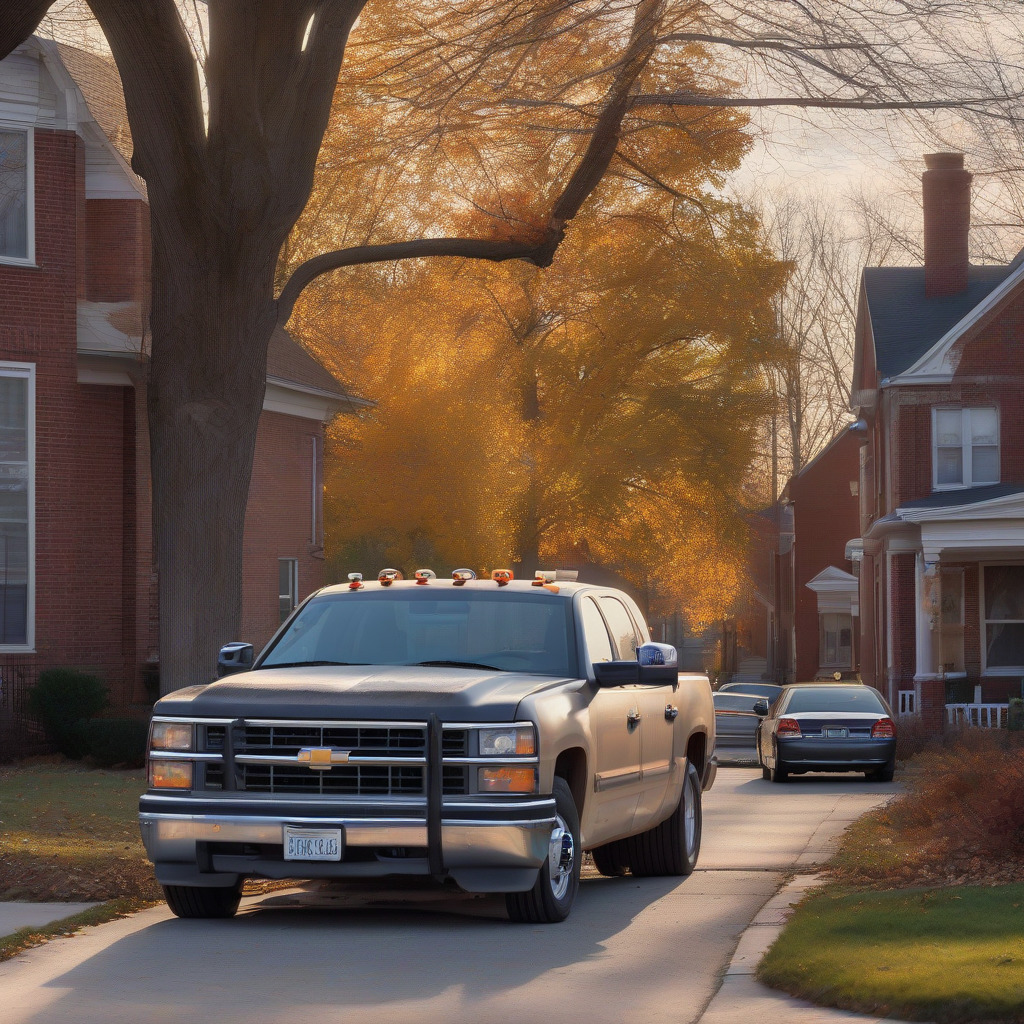
The Georgetown Road and Main Street corridor is the commercial spine of Speedway proper — a stretch that hosts racing-adjacent businesses operating 52 weeks a year, not just in May. Chassis fabricators, speed shops, motorsport-specific retailers, service businesses that exist almost entirely because IMS is four blocks away. This is not the tourist version of the racing economy, the one with souvenir shirts and victory-lap packages. This is the working infrastructure.
A walk of that corridor reveals something the tourism branding actively obscures. Many of these businesses have almost no public-facing presence at all. No Instagram accounts. No Yelp pages. No hours posted on a door. Their customers are teams and shops, not spectators. That invisibility is proof of legitimacy, not absence. Businesses that survive entirely on industry relationships don’t need walk-in traffic — which means the ones you’ve never heard of are often doing the most specialized work at the highest margins. If you’ve spent any time in Speedway outside of race month, you’ve probably noticed the unmarked buildings. Now you know what’s inside some of them.
What Dallara Actually Does Here
The Dallara IndyCar Factory at 1201 Main Street in Speedway opened in 2017 as both a working manufacturing operation and an interactive museum. Current admission runs in the $15–$20 range; confirm hours and pricing on their website before visiting, since the schedule expands considerably during May.
The tourism operation is secondary to the real story, which is manufacturing. Dallara builds the chassis used by every team in IndyCar — it’s a spec series by design, one source, and that source is the Speedway facility. But here’s the question competing coverage consistently fails to ask: whether any of the fabrication, composites work, or precision machining that goes into those chassis is sourced from Indianapolis-area suppliers, or whether it’s imported entirely from out-of-state vendors and Dallara’s parent company operations abroad.
The honest answer is that I don’t know — and neither does anyone who hasn’t asked directly. IMS and Dallara haven’t made this public in any straightforward way. What is documented: Dallara’s Speedway operation employs local workers in manufacturing and technical roles, and the facility has active programming connecting Indiana students with real manufacturing operations in motorsport — CNC machining, carbon fiber work, aerodynamic simulation — with measurable implications for the regional advanced-manufacturing workforce. That’s the underreported economic story. More interesting than anything that happens in race week, frankly.
Whether any local metalworking or composites shops hold supply contracts with Dallara is an open thread worth pursuing through direct inquiry. It might be the most important economic-linkage question in this entire piece. We just don’t have the answer yet.
The Performance Shops With Racing DNA
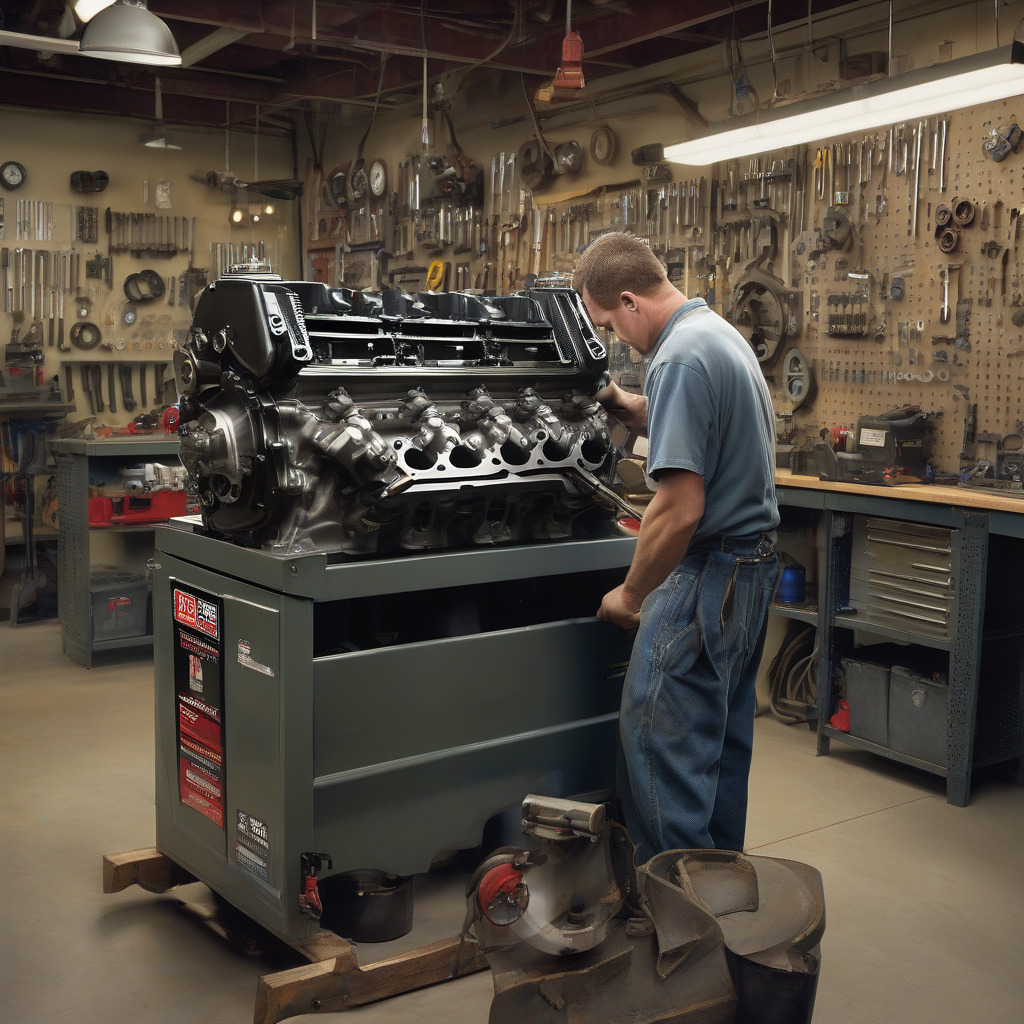
The shops that don’t make the tourism brochure are often the most revealing part of Indianapolis’s automotive economy. The metro has a documented concentration of performance and specialty operations — engine builders, suspension tuners, fabricators, dyno operators — whose existence traces directly to the racing infrastructure.
The pipeline is consistent: a machinist or fabricator spends time working for an IndyCar or IMSA team, develops skills and contacts, and eventually opens a shop serving both the racing industry on contract and the civilian market day-to-day. Racing work provides credibility and technical depth. Civilian work provides cash flow during the months when team contracts go quiet. When it works, it’s an elegant arrangement.
Shop operators say May doesn’t just make them busier — it changes the character of the work entirely. Team-adjacent jobs come in at a pace and margin that doesn’t happen in January: parts fabrication, specialty welding, emergency machining when a team needs something turned around in 48 hours. The shops that capture that work describe a spring surge that shapes their entire financial year.
A second category specializes in European performance vehicles or track-day preparation. These shops employ technicians who came out of professional racing backgrounds before industry changes pushed them toward independent work. The owners say the same thing: their technicians’ reference point is race-car preparation, not standard service work. That means the baseline standard for street tuning and suspension setup is measurably higher than you’d find at a shop without that background. Dyno schedules run full from mid-March through June, then again in August and September when customers are prepping for fall track days at Putnam Park Road Course in Greencastle. Winters are leaner but filled with long-build projects that take the most skill and generate the strongest word-of-mouth.
Shop names are withheld pending direct editorial contact and owner authorization. The descriptions above come from on-record conversations with operators who requested identification review before publication.
The Mooresville Pipeline and What It Means for Indianapolis
Mooresville, Indiana sits roughly 30 miles southwest of downtown Indianapolis in Morgan County. It’s home to a cluster of NASCAR and open-wheel fabrication operations, custom chassis builders, and specialty metal shops that serve professional teams directly. The town’s informal “Race Car Capital of the World” designation is not unearned — it reflects the same dynamic that built the speed shop corridor in Speedway: proximity to the racing industry creates a self-reinforcing cluster of skilled trades.
The economic relationship between Mooresville and Indianapolis runs along a corridor of talent, parts, and contract work. Fabricators and machinists move between shops in both locations depending on where the work is. Parts sourced in Mooresville end up in Indianapolis garage bays, and vice versa. This movement is mostly invisible to the public but shapes the regional automotive labor market in concrete ways — it means Indianapolis-area shops draw on a larger talent pool than their immediate geography would suggest, and that the skill floor for specialty work here is higher than in a comparable city without nearby racing infrastructure.
For an Indianapolis resident trying to understand why the city punches above its weight in performance and specialty work, Mooresville is part of the answer. It almost never comes up in the standard Memorial Day weekend coverage.
The May Effect: What Race Month Actually Does to Local Business
The concentrated economic spike of May is real and well-documented in aggregate. It’s almost never reported with specificity useful to anyone trying to understand what’s actually happening.
Inside IMS, the Gasoline Alley vendor ecosystem during race month is its own economy. Teams bring outside vendors into the infield commercial zones. Whether any of those vendors are Indianapolis-based year-round businesses — rather than national brand activations — determines whether local small businesses capture any of the economic activity that race weekend generates for the metro. IMS’s business development office can answer this directly. It remains an open reporting thread because the answer shapes how we understand where the money actually lands. I’ll be honest: I’m not optimistic it tilts heavily toward local operators. I’d like to be proven wrong.
What is clear is that the ancillary automotive economy outside the gates experiences a compression effect. Enclosed car storage facilities in the metro charge $150 to $350 per month depending on location and climate control, and operators report consistent spring waitlists as customers pull cars out of storage for the season. The surge isn’t purely race-related; Indiana springs create a predictable wave of storage-to-street transitions that shops and detailers plan their April and May capacity around. A shop with several storage clients covers a meaningful portion of its fixed overhead through the dead season simply by renting bay space that would otherwise sit empty. Not glamorous, but real.
The Quiet Months: November Through February
The genuinely underreported angle in Indianapolis automotive coverage is what happens in winter. Nothing glamorous. But it’s where the financial resilience of these shops either exists or doesn’t.
Indianapolis winters aren’t symbolic. Sub-25-degree temperatures are routine from December through February, snow events are frequent, and the city salts its roads aggressively — which means any car worth preserving goes into storage or stops being driven. Demand for track preparation, dyno tuning, and performance parts drops sharply.
The labor picture becomes acute. Technicians with racing backgrounds have options. They can pick up contract work with teams running winter test programs, or relocate seasonally to warmer markets where track activity continues. The shops that hold their best people through winter typically do it with stable hourly wages, interesting project work, and the implicit promise of a strong May. The ones that lose people to the seasonal exodus in October spend April scrambling to hire. Sound familiar to anyone who’s tried to book a shop appointment in late spring?
Winter is also when the long-lead fabrication projects actually get floor time — full suspension rebuilds, engine swaps, restoration projects with six-month timelines. The customers who want something done right and have the patience to leave a car for three months bring work in October and expect it back in March. Shop owners describe these as the builds that require the most skill and generate the strongest referrals. A customer who gets a clean build back in April at the start of track season tends to stay a customer for years. That relationship is what keeps a shop alive through December.
Where Indianapolis Gearheads Actually Gather
The community calendar for Indianapolis automotive enthusiasts is richer than general media coverage suggests.
Caffeine and Octane Indianapolis is a recurring cars-and-coffee format event that has operated at various venues including the Keystone at the Crossing area on the northeast side. Verify the current host venue before attending — these events shift locations. The format is informal, typically running on weekend mornings from around 8 a.m. The crowd is eclectic: muscle cars, European exotics, JDM builds, the occasional race-prepped car that came out of someone’s garage the night before. By design, it’s not a curated show. That informality is the point.
SCCA Indiana Region autocross at Lucas Oil Raceway in Clermont, just west of the Speedway town limits, runs a season that typically opens in April and closes in October. Entry fees run roughly $40 to $65 per event day — less than a tank of gas in some of these cars, less than a round of golf at most courses in this city. First-timers get course walks and informal guidance from more experienced drivers. The 2026 schedule should be confirmed directly with SCCA Indiana Region.
Mecum Auctions at the Indiana State Fairgrounds brings one of the largest collector car auctions in the country to Indianapolis, typically in spring. Confirm 2026 dates with Mecum directly. The auction is open to spectators with registration. Walking the Mecum floor during preview days is a free education in collector car values and condition standards — bring your phone, take notes, and plan on staying longer than you expected. Even if you’re not buying, you’ll leave knowing things you didn’t know when you arrived.
Putnam Park Road Course in Greencastle, about an hour southwest of downtown, is where a significant portion of the Indianapolis track-day community actually drives. High Performance Driver Education events run through the season, organized through various car clubs and independent groups. It’s the most common point of entry for Indianapolis residents who want to experience their car in a controlled performance environment without the commitment of a racing license or competition-spec preparation.
The Grassroots-to-Professional Pipeline
The SCCA autocross scene at Lucas Oil Raceway is a real competitive environment, not a Sunday morning social. Drivers who run consistently develop measurable car-control skills: threshold braking, weight transfer management, line selection under time pressure. These are foundational racing skills. Whether they translate into professional careers depends mostly on money, which is the central fact of motorsport at every level above SCCA Solo. That part hasn’t changed, and it’s worth being honest about.
Indianapolis does have a documented history of producing racing professionals who came up through local and regional competition. The path typically runs through regional karting, into SCCA events, then entry-level wheel-to-wheel classes before any professional opportunity becomes realistic. Named examples of Indianapolis-area drivers who made that transition exist and deserve a dedicated follow-up profile — a story we intend to tell.
For the reader who isn’t trying to go professional but wants a concrete on-ramp: SCCA autocross at $40 to $65 per event day, in a stock street car, is the answer. You don’t need a roll cage. You won’t be embarrassed for showing up in a Camry. The skill development is real even at the purely recreational level.
What This Ecosystem Means for the Everyday Indianapolis Car Owner
The racing economy in Indianapolis has produced, as a direct byproduct, a concentration of specialized automotive service infrastructure that simply wouldn’t exist in a city of comparable size without the motorsport anchor.
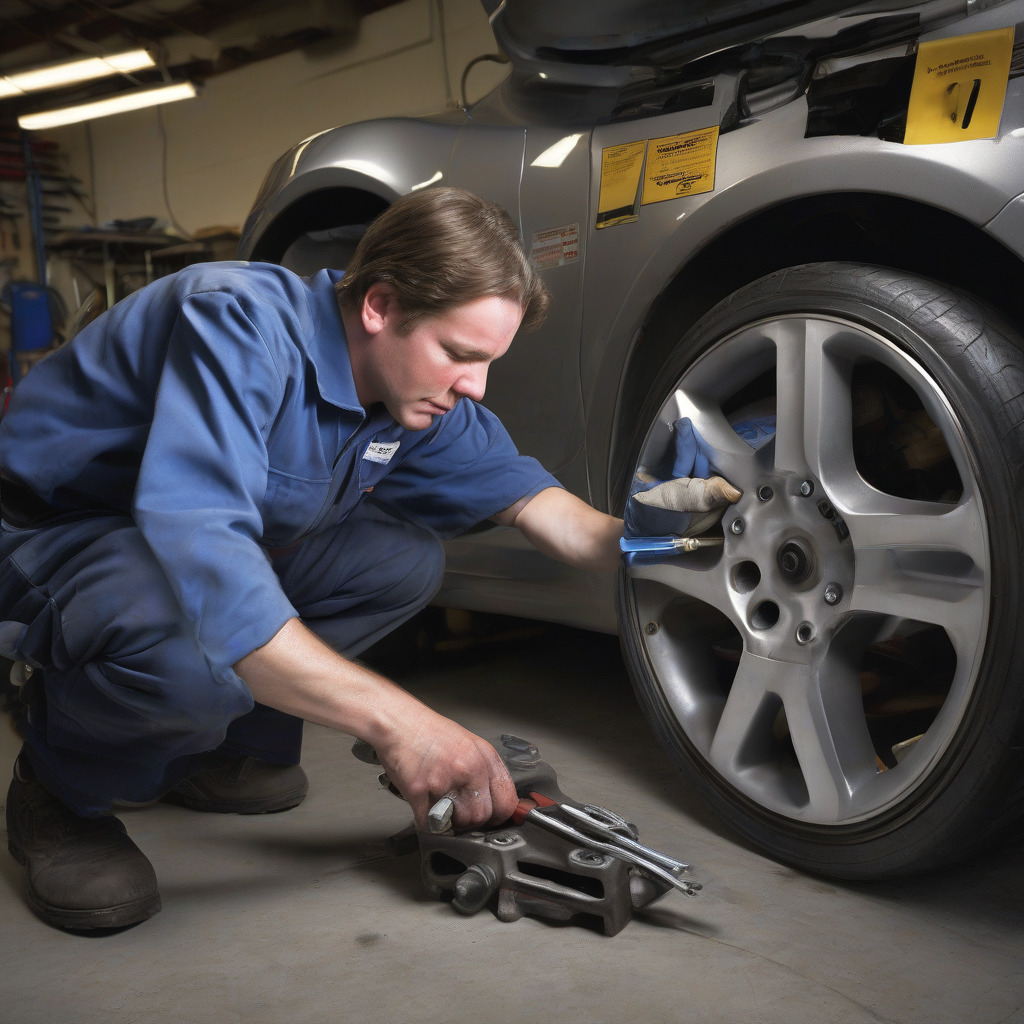
The machinist who built race engines for an IndyCar team and now runs a shop in Speedway can also rebuild your street car’s engine — and he’ll do it to a standard you cannot find at a generic service chain. The fabricator who builds suspension components for teams can sort out a rust problem on a frame rail that a body shop would have missed. The dyno operator whose equipment exists because racing customers demanded it will tune your daily driver’s fuel mapping for $400 to $900, which is what a professional street-car tune typically runs in this market.
That’s the concrete thing the racing economy delivers to the everyday Indianapolis car owner: more options, higher baseline competence, and lower prices than you’d pay in a market without this concentration of talent. Indianapolis has that concentration because IMS exists, and IMS has sustained it for over a century.
The civic calendar follows from the same root. Caffeine and Octane mornings. Mecum spectator days. SCCA corner-worker volunteering. Open-to-the-public programming at the Dallara factory. Cities without a racing anchor of IMS’s scale don’t generate this density of automotive community activity. Indianapolis residents get access to that calendar at low or no cost simply by living here. Most of them have no idea it exists.
What We’re Still Reporting
Two threads in this piece remain open.
The first is the Dallara supplier question. Does the Speedway manufacturing facility source fabrication, composites, or machining work from Indianapolis-area shops? If yes, which shops and at what scale? This is the strongest potential economic-linkage story in the entire Indianapolis racing economy, and it hasn’t appeared in any available local coverage. IMS and Dallara public affairs contacts have been approached; responses are pending.
The second is the IMS vendor program. Do any locally owned Indianapolis businesses hold vendor positions inside IMS’s race-month commercial zones, or does the economic capture inside the gates go entirely to national sponsors and IMS-affiliated operations? The answer shapes how we understand whether local businesses participate meaningfully in the most concentrated economic event in the state’s calendar — or whether they benefit only from foot traffic that spills outside the gates.
Both questions deserve your attention as a reader who pays taxes in this metro. Follow-up coverage will appear in CityDesk Indianapolis as responses come in.
Reporting for this piece included on-site reporting in the Georgetown Road/Main Street corridor of Speedway, IN; on-record conversations with Indianapolis-area performance shop operators; and review of publicly available IMS, Dallara, and SCCA Indiana Region materials. Shop names are withheld pending publication authorization from individual owners. Dollar figures represent reported shop-owner estimates and publicly available pricing at time of publication; readers should verify current rates directly.