How to Get a Food Truck Permit in Indianapolis and What It Actually Costs
Running a food truck in Indianapolis is more legally complex than most aspiring operators expect when they first price out a truck and start dreaming up a menu. The full permit stack runs through a…

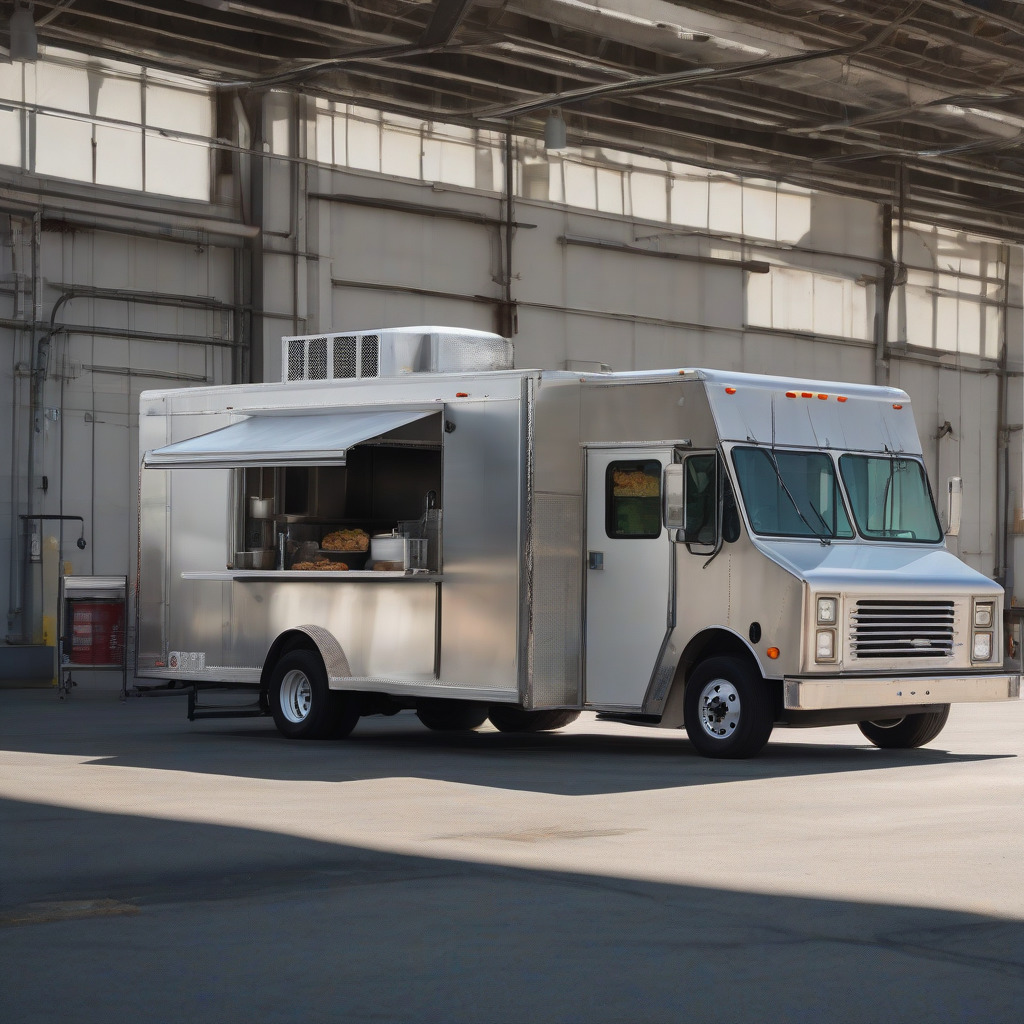
Running a food truck in Indianapolis is more legally complex than most aspiring operators expect when they first price out a truck and start dreaming up a menu. The full permit stack runs through at least five separate agencies: Indiana Secretary of State registration, Marion County health inspections, Indianapolis Fire Department equipment checks, and city right-of-way vending approvals. Fees compound across multiple renewals. A commissary kitchen requirement stops more applications than any other single step. This guide covers every permit you actually need, in the order you actually need them, with realistic costs and timelines sourced from the agencies themselves.
One caveat before we get into it: permit fees and processing times in Indianapolis change. Some specifics below require direct confirmation with the issuing agency before you rely on them for business planning. Call the number. That’s not a hedge — it’s the most useful thing this article can tell you.
Set Up Your Business Entity Before You Touch a Permit Application
Before any permitting agency in Indianapolis or Marion County will process your application, you need a registered business entity on file with the state. This is the most common reason applications stall before they even begin. Operators show up to a health department pre-application call without an EIN or a state business registration and have to start over.
File your LLC, sole proprietorship, or other entity structure with the Indiana Secretary of State through the INBiz portal at inbiz.in.gov. Filing fees run $25–$100 depending on entity type — verify the current amount before filing. Sole proprietors operating under their legal name may not need formal state registration, but most food truck operators choose LLC status for liability protection, and for a few hundred dollars in setup costs, it’s worth it. Processing typically takes 3–7 business days online.
Once your entity is registered, apply for a federal Employer Identification Number through the IRS. Both documents will appear on virtually every downstream permit application.
The Marion County Health Department, the city’s Department of Business and Neighborhood Services (BNS), and the Indiana Department of Revenue all require your business registration details before they’ll move your application forward. No one at the counter will make an exception.
The Full Permit Stack, in Sequential Order
Every permit and license below is required to legally operate a food truck in Indianapolis. These aren’t optional layers you add gradually once the business picks up. Each corresponds to a real enforcement mechanism, and operating without any of them exposes you to fines or shutdown.
Indiana State Retail Merchant Certificate
Issued by the Indiana Department of Revenue, this certificate registers you to collect and remit Indiana sales tax. It’s free and required before your first sale. No exceptions for temporary or occasional operations.
Marion County Public Health Mobile Food Establishment License
This is the anchor permit — everything else either feeds into it or runs alongside it. The Marion County Public Health Department (MCPHD) licenses all mobile food establishments operating in Marion County, whether they park on public or private property. The license is annual.
Application fee: $200–$400. Verify the current amount directly with MCPHD’s Environmental Health division at 317-221-2000. The application requires your commissary agreement, proof of food handler certification for all staff, vehicle make and VIN, and your business registration documents. Physical truck inspection is scheduled after submission.
Indianapolis Fire Department Equipment Inspection
Any truck using propane, commercial fryers, or open-flame cooking equipment must pass an IFD equipment inspection — hood suppression systems, propane tank compliance, fire extinguisher placement and type. This is entirely separate from the MCPHD process and must be coordinated directly with IFD.
Estimated fee: $50–$150. Verify the current schedule with IFD Fire Prevention Bureau at 317-327-6626. Scheduling lead time runs 1–3 weeks. Most operators run this concurrent with the health department process, since both require the physical truck to be ready.
City of Indianapolis Right-of-Way Vending Permit
If you intend to operate on any public street, sidewalk, or city right-of-way — not just private property — you need a Right-of-Way Vending Permit from BNS. This permit ties to designated vending locations, not a blanket authorization to park anywhere you find a curb. That distinction matters a lot in practice.
Operating exclusively on private property with the owner’s permission means you don’t need this permit. You still need everything else on this list.
Indiana BMV Commercial Vehicle Registration
Your truck must be registered as a commercial vehicle with the Indiana Bureau of Motor Vehicles. Costs vary by vehicle weight and configuration. You’ll need current registration for both the MCPHD application and the ROW vending permit.
Five agencies. Five separate application processes. Five sets of documentation. Nobody processes all of them on your behalf.
The Commissary Requirement Is the Step That Takes the Longest
Marion County requires that all mobile food units operate out of a licensed commercial commissary for food preparation, cleaning, water and wastewater servicing, and truck storage. Home kitchens are explicitly not permitted. There is no workaround — and I’ve seen operators spend real time trying to find one.
A signed commissary agreement must be submitted with your MCPHD application. You cannot begin the health licensing process until you have a facility secured and documented. That sequencing is the single biggest time problem in the entire process.
Finding a commissary, negotiating a rental agreement, confirming the facility holds its own valid MCPHD inspection, and getting a signed agreement can take one to four weeks depending on availability and how responsive the kitchen operator is. Some commissary operations run tight and turn agreements around fast. Others are running their own businesses and return emails when they get to it.
Indianapolis commissary options worth investigating: Enablement Kitchen is a shared commercial kitchen that has historically served Indianapolis food truck and cottage food operators — verify current rental structure and MCPHD-approved commissary status directly. Revel Kitchen is another shared-use option in the area; confirm whether truck-servicing arrangements for wastewater and propane are available for your specific vehicle. Ivy Tech Community College’s culinary program has at various points made kitchen space available for commercial use — verify current availability and whether the facility qualifies for MCPHD commissary approval. Some independent restaurants also rent their licensed kitchens during off-hours, but MCPHD must review and approve each such arrangement individually. Don’t assume that any licensed kitchen automatically qualifies. That assumption has burned people.
Budget $300–$800 per month for commissary access. At $300, you’re spending $3,600 a year just to have a legal place to prep and clean. At $800, that’s $9,600 — before you’ve bought a single ingredient. This is the number that most first-time operators underestimate when they build a business plan, which is baffling because it’s sitting right there in the MCPHD application requirements for anyone who reads carefully.
What the Marion County Health Inspection Actually Covers
After you submit your MCPHD application with all required documentation — commissary agreement, food handler certifications, vehicle information, business registration, application fee — the department schedules a physical inspection of your truck. Plan for 3–6 weeks from complete submission to license issuance. That’s a realistic timeline, not an optimistic one.
MCPHD’s environmental health division operates with a backlog that varies seasonally. The spring surge, when every operator hoping to open for summer submits simultaneously, regularly pushes timelines toward the longer end of that range. If you’re hoping to be running by Memorial Day weekend, count backwards from there and you’ll see why February isn’t too early to start.
Two things catch first-time operators off guard. MCPHD issues temporary event permits separately from the base Mobile Food Establishment License — if you want to operate at a specific event before your annual license is in hand, you can apply for a temporary permit, but each event requires its own application and fee. And once your annual license is active, MCPHD conducts unannounced periodic inspections at your operating locations. Standard public health practice. Not cause for alarm if your operation is clean, but your first inspection after licensing won’t be your last.
Where You Can and Cannot Legally Park in Indianapolis
On private property
You need your MCPHD license and the core permits already described. You don’t need the BNS Right-of-Way Vending Permit. A written agreement with the property owner is standard practice. This is how many Indianapolis food trucks operate — parked in a brewery lot, a business parking lot, or a shared commercial pad. It’s often the simpler path, especially starting out.
On public right-of-way
You need the BNS Right-of-Way Vending Permit on top of your MCPHD license. The permit ties to approved vending locations in the downtown Mile Square, and spot availability is limited. Contact BNS directly for the current map of approved vending zones and the application queue for each.
The Cultural Trail corridor has been a popular but contested location, with ongoing friction between food truck operators, adjacent property owners, and city planners. Check with BNS for the current status of any specific corridor before you commit to it.
Near brick-and-mortar restaurants
Indianapolis has historically maintained buffer distance requirements between food truck operations and existing restaurant establishments. The commonly cited range is 150–300 feet depending on zone and circumstance, but this has been debated and revised. Do not rely on any figure in this article for this specific number.
Call BNS and confirm the current distance requirement for the specific zone you’re targeting before you commit to a location. Mass Ave, Fountain Square, and Broad Ripple each have neighborhood-specific overlay considerations that can restrict operations even where a base ROW permit would otherwise be sufficient. BNS can tell you whether a specific address falls under a relevant overlay. School proximity restrictions and other prohibited zones also apply. These are not areas where you want to learn the rule by receiving a notice.
The IFD Inspection: The Step Most Guides Skip
The Indianapolis Fire Department equipment inspection is consistently absent from generalist food truck startup content, and that gap costs operators weeks when they discover the requirement late. If your truck uses propane — and most do — or operates a commercial fryer or open-flame cooking equipment, IFD inspection is mandatory before operation. Full stop.
The inspection covers hood suppression system installation and condition, propane tank compliance, and fire extinguisher placement and type. Contact the IFD Fire Prevention Bureau at 317-327-6626 to schedule. Estimated fee: $50–$150; confirm when you call. Lead time from your call to completed inspection runs 1–3 weeks.
Book this the moment the truck is configured and ready. Waiting until your truck is freshly wrapped and your opening date is announced will cost you time you don’t have.
What Everything Costs in Year One
The following table represents estimated Year 1 costs. All figures should be verified directly with the relevant agency before use in business planning.
| Permit or License | Issuing Agency | Estimated Cost | Frequency |
|---|---|---|---|
| Business entity registration (LLC) | Indiana Secretary of State | $25–$100 (verify) | One-time |
| Indiana State Retail Merchant Certificate | Indiana Dept. of Revenue | Free | One-time |
| Marion County Mobile Food Establishment License | MCPHD Environmental Health | $200–$400 (verify) | Annual |
| IFD Equipment Inspection | Indianapolis Fire Dept. | $50–$150 (verify) | Initial + as needed |
| BNS Right-of-Way Vending Permit | City of Indianapolis BNS | Verify with BNS | Annual |
| Indiana BMV Commercial Vehicle Registration | Indiana BMV | Verify with BMV | Annual |
| Commissary kitchen access | Private/varies | $300–$800/month | Monthly |
| MCPHD Temporary Event Permits | MCPHD Environmental Health | Per-event fee (verify) | Per event |
A reliable total can’t be calculated until you confirm the BNS permit fee and BMV commercial registration cost directly. Call both before finalizing your business plan. And whatever number you land on for commissary rental, double-check your math — that line item alone will likely exceed every permit fee combined.
Realistic Timeline: Plan for Three Months
The permitting process has a sequential structure that extends the realistic timeline well beyond what optimistic content elsewhere suggests.
Business registration takes 3–7 days and must be complete before any downstream application moves. Commissary sourcing takes 1–4 weeks and cannot be rushed — commissary operators run their own businesses and sign agreements on their own schedules. This step must come before the MCPHD application, not alongside it. Once you have a commissary agreement, MCPHD application review and inspection scheduling takes 3–6 weeks, longer during the spring backlog. The IFD inspection can run concurrent with MCPHD if the truck is ready, typically 1–3 weeks from your call. The BNS Right-of-Way Vending Permit requires a completed MCPHD license first, so it follows health department approval, adding another 1–2 weeks.
Best case, with a commissary locked in one week and MCPHD at minimum backlog: about six weeks. A realistic scenario with normal commissary negotiation and a mid-season MCPHD queue: 10–12 weeks. If you have a hard launch date — a festival commitment, a grand opening, a commissary lease start — plan for three months from day one and build buffer at every step.
Start looking for commissary space before you do anything else. Before you design the logo.
2026 Ordinance Changes and What May Be Different Now
The Indianapolis City-County Council and the city’s planning apparatus have been active on food truck regulation in recent years. Pressure runs both directions: food truck operators pushing for expanded public vending zones and reduced restaurant buffer distances, brick-and-mortar restaurants and some neighborhood associations pushing back. It’s a genuine tension with legitimate interests on both sides, and anyone who tells you it’s been resolved is selling something.
No specific enacted ordinance changes have been confirmed for 2025–2026 at the time of this writing. Watch several areas.
Whether the current footprint of designated Mile Square vending zones has been expanded will significantly affect where operators can legally park — confirm with BNS directly. Restaurant proximity distances have been among the most contested provisions; any amendment would significantly affect parking options in dense commercial corridors. Confirm current requirements with BNS and don’t rely on any previously published distance figure. MCPHD also periodically updates inspection criteria for commissary facilities in line with Indiana State Department of Health rules — if you’re considering a commissary arrangement that was last MCPHD-reviewed several years ago, confirm that the facility’s approval is current before you sign anything.
This section will be updated upon confirmation of specific ordinance text with the City-County Council Clerk and BNS prior to publication.
Seasonal Operations and the Indianapolis Event Circuit
Indiana’s climate creates a real business planning variable. The practical operating season runs roughly April through October. March and November are viable depending on the year and the event. December through February is lean — it’s cold enough to keep foot traffic away from outdoor vending, and the outdoor event calendar dries up. Anyone who’s stood outside near a food truck on Monument Circle in February already knows this.
Some operators let their permits lapse during the winter and renew in early spring. Whether MCPHD offers a seasonal registration option at reduced annual cost should be confirmed directly with their Environmental Health division — if it exists, it affects your Year 1 cost calculation.
The Indianapolis event circuit worth knowing: the Indiana State Fair is one of the highest-volume food vendor opportunities in the state, competitive, and requires advance application months out — managed through the fair’s own vendor process. The Broad Ripple Farmers Market and Garfield Park Farmers Market both maintain separate food truck and vendor applications. The Indy Winter Farmers Market runs indoors at the State Fairgrounds during the off-season, with applications managed by the market organization.
Each event requires an MCPHD temporary event permit stacked on your annual license. Budget the per-event fee and application lead time into your calendar.
For ground-level operator knowledge — which commissaries are easiest to work with, which zones are actually enforced versus which ones are gray areas, which documentation formats MCPHD inspectors prefer — the Indianapolis Food Truck Association has historically been the peer resource for the local industry. Verify the organization’s current active status before relying on it, but if it’s active, a phone call before you spend three months in the permit process alone is worth more than most of what you’ll read online.
Permit fees, processing times, and regulatory requirements cited in this article should be verified directly with the relevant agency before use in business planning. Marion County Public Health: 317-221-2000. Indianapolis Fire Department Fire Prevention Bureau: 317-327-6626. City of Indianapolis Business and Neighborhood Services: contact via the city’s official portal. Indiana Secretary of State INBiz portal: inbiz.in.gov.
For more local coverage, explore our Business & Professional section.