Back-to-School Vaccine Catch-Up in Indianapolis Before Indiana's August Deadline
Indiana's immunization deadline is weeks away. A site-by-site guide to Marion County clinics, FQHCs, and pharmacies — with real costs and what happens if your child shows up without records on the …

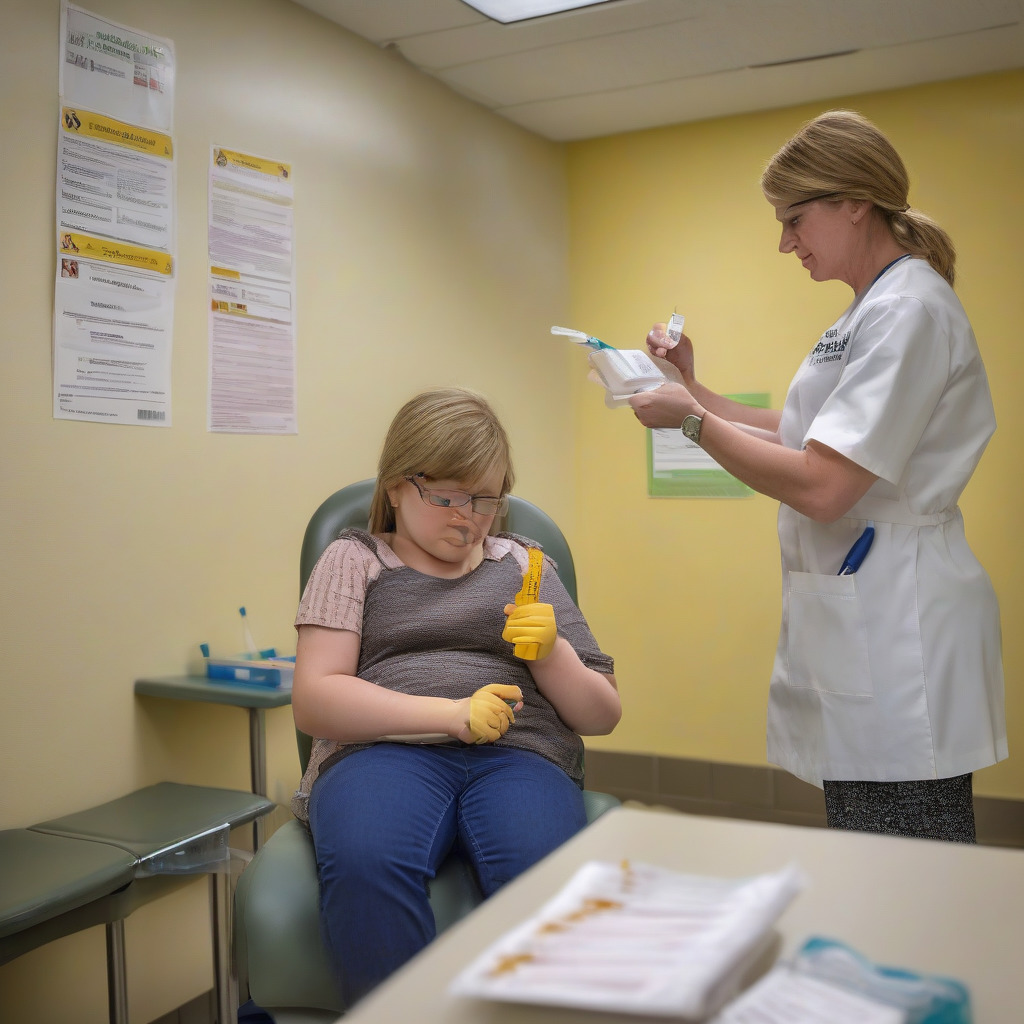
Indiana’s immunization deadline is weeks away. A site-by-site guide to Marion County clinics, FQHCs, and pharmacies — with real costs and what happens if your child shows up without records on the first day.
If Indianapolis Public Schools opens in early August, confirm the exact date at myips.org before summer ends. Your child’s immunization records need to be in order before that morning. Not by the end of the first week. Before.
Indiana law requires proof of immunization at enrollment. A student who walks through the door without documentation — or at minimum a confirmed appointment for any missing vaccines — can be turned away. This is not a formality that schools quietly overlook. School nurses collect and review records, and the state gives schools clear statutory authority to exclude students who don’t comply. I’ve talked to parents who were genuinely blindsided by this. Don’t be one of them.
Marion County has public health clinics, Federally Qualified Health Centers, and retail pharmacies that can get most children current in time. That network has gaps, though. Making the wrong calls means wasted trips, unnecessary expense, or discovering in late July that your child’s two-dose MMR series can’t physically be completed before school starts.
This guide tells you where to go, what it costs, and how much time you actually have.
What Indiana Requires, by Grade
Before you call anyone, pull your child’s shot record — the yellow card from a previous pediatrician, a printout from MyVaxIndiana, or a record you requested from a prior provider. Compare it against Indiana Department of Health requirements for the 2026–2027 school year at in.gov/doh. Verify against the live document before enrollment. Indiana updates its school immunization schedule. Do not rely on a checklist you found elsewhere online, including any summary in this article. The IDOH bulletin is the controlling document.
One item catches families off guard every summer: Indiana requires Hepatitis A as a routine school-entry vaccine. Many states don’t. If you moved here from Illinois, Ohio, Michigan, or Kentucky, there’s a real chance your child received the first Hep A dose but never the second — or skipped the series entirely because no one at their previous school ever asked for it.
Once you’ve reviewed the list, the key question is simple: how many doses are missing, and which vaccines are they? That determines whether you’re dealing with a single catch-up appointment or a multi-week series.
The Scheduling Math You Cannot Ignore
Here is the constraint most parents don’t find out about until it’s too late. MMR and Varicella each require two doses. The second dose of each cannot be given less than 28 days after the first. No exceptions.
A child who needs both doses of MMR, or both doses of Varicella, cannot complete that series in under four weeks. Count back 28 days from the first day of school. That is your absolute last date to start a two-dose series and have any chance of finishing before the doors open.
Depending on when IPS confirms its calendar, that window may already be closing. [Calculate and insert the specific last-safe-start date once IPS confirms at myips.org.]
The second problem is appointment availability. Marion County Health Department immunization clinic slots in July fill two to three weeks out. That’s the consistent historical pattern — public health clinics absorbing the county’s uninsured and underinsured pediatric population all at once, every summer, like clockwork. Call today, get on a waitlist. And understand this: what counts on the first day of school isn’t a completed vaccine series. It’s a confirmed appointment for any missing doses. A printout showing a scheduled appointment date is legally sufficient to get your child through the door under Indiana’s grace period provision. More on that below.
Marion County Health Department — The Primary Low-Cost Option
3838 N. Rural St., Indianapolis | (317) 221-2000 | marionhealth.org
MCPHD’s immunization clinic is the most important safety-net resource in this guide. It participates in the Vaccines for Children program, which means uninsured, underinsured, Medicaid-enrolled, and Native American or Alaska Native children receive vaccines at no vaccine cost. At retail, those vaccines can run hundreds of dollars per dose. Through VFC, that drops to zero for qualifying families. There’s typically an administration fee — in the $15–$25 range per visit — but under VFC program rules, a family cannot be turned away solely because they can’t pay it. If your family can’t afford the fee, say so when you call.
Walk-in availability is the most operationally important question in this guide, and it changes seasonally. Call (317) 221-2000 and ask specifically about the July and August immunization clinic schedule — which days, which hours, whether walk-ins are available at all. Don’t rely on last year’s information. [Verify walk-in hours and appointment-only periods directly before publication.]
Bring your child’s immunization record in whatever form you have it, an insurance card or Medicaid ID if applicable, and any documentation supporting a fee waiver.
Parents who call in the third week of July asking for next-week appointments routinely face a two-to-three-week wait. That’s not a reason to give up — it’s a reason to call this week. Get on the schedule, get a confirmation in hand. That confirmation is your child’s ticket to school if the series isn’t finished yet. For broader context on navigating Indianapolis-area health systems, this topic falls squarely within our health & wellness coverage.
Eskenazi Health and Other FQHCs — Sliding-Scale Fees, Multiple Locations
Federally Qualified Health Centers are required VFC participants, and they’re required to use income-based sliding-scale fees for uninsured patients. That combination means total visit cost — vaccines and administration — can reach zero for families at the lowest income levels. That’s not marketing language. That’s how the program is designed.
Eskenazi Health operates a main campus at 720 Eskenazi Ave. with neighborhood health center locations in Haughville, Mapleton-Fall Creek, and other Indianapolis corridors. Families on the near-westside or near-northside don’t necessarily need to travel to the main campus. Vaccine cost is covered by VFC for qualifying children; the visit fee scales down to zero based on family income and household size.
Here’s the critical question before you drive over: Can a new patient book a vaccine-only appointment without first establishing care? This matters because a full intake appointment might be scheduled weeks out — time a two-dose series doesn’t have. Call Eskenazi’s appointment line and ask this directly before assuming it’s an option. [Verify and publish the actual current answer before publication.]
HealthNet Inc. operates multiple Indianapolis locations, including sites near Fountain Square and on the Eastside. It participates in VFC and uses sliding-scale fees. [Verify current pediatric vaccine appointment availability and confirm locations before publication.]
The practical move is to call both MCPHD and your nearest FQHC on the same day and take whichever appointment comes first. When calling any clinic, ask whether they accept VFC patients. Any clinic that isn’t a VFC participant will bill at market rates — and for a full kindergarten catch-up series, that bill is not small. Families navigating FQHC and urgent-care options across the city may also find the breakdown in where to go for urgent care in Indianapolis by neighborhood and what it will cost useful for routine and same-day needs.
Retail Pharmacies — Right for Some Families, Wrong for Others
CVS MinuteClinic, Walgreens, and Kroger’s Little Clinic are not the right answer for most incoming kindergartners. Let me be direct about that.
They work well for a specific situation: an insured middle schooler who needs Tdap and MenACWY before 7th grade and can get in tomorrow. That’s genuinely the sweet spot. If your child is 5, needs several vaccines, and is uninsured, a retail pharmacy is the wrong place.
Most retail pharmacy immunization desks set minimum age thresholds that vary by vaccine and chain. CVS MinuteClinic handles adolescent vaccines — Tdap, MenACWY, flu — competently for children 11 and older. For the primary pediatric series a kindergartner typically needs, most retail desks aren’t equipped. Not all Indianapolis CVS locations have a MinuteClinic, either. Confirm that the specific location you plan to visit actually offers pediatric immunizations before making the trip. [Verify current pediatric age minimums at Indianapolis-area CVS, Walgreens, and Kroger Little Clinic locations before publication.]
The Little Clinic operates inside select Kroger locations. Indianapolis stores with active Little Clinics have historically included Castleton and Broad Ripple, but confirm current operating status directly — clinic availability changes. [Verify active Indianapolis Little Clinic locations before publication.]
Retail pharmacies don’t participate in Vaccines for Children. This isn’t a policy that varies by location — it’s structural. An uninsured family who takes a kindergartner to CVS pays full out-of-pocket for every vaccine. To give you a sense of scale: MMR runs roughly $80–$120 per dose at retail. Varicella, $120–$160. MenACWY, $150–$200. Tdap, $45–$75. A kindergartner catching up on multiple vaccines across multiple doses could face a retail bill north of $1,000. These are estimates — call ahead for current pricing — but the magnitude is real.
If your child is entering 7th grade, needs only Tdap and MenACWY, and carries private insurance, a CVS MinuteClinic or Walgreens immunization desk is fast and appropriate. Walk in or book online and you could be done in 30 minutes. If that’s not your situation, it’s not your option.
What Happens If Your Child Shows Up Without Records on Day One
Indiana Code IC 20-34-4 authorizes schools to exclude students who can’t show proof of immunization or a valid exemption by the statutory deadline. IPS and Marion County township schools follow state law. Your child’s school nurse doesn’t have the authority to let it slide.
A family that arrives at enrollment without documentation will typically be asked to produce records or proof of a scheduled appointment. The child cannot simply attend class while records are rounded up — unless Indiana’s grace period provision applies.
Indiana provides a grace period, historically 20 school days from the first day of school, during which a child can attend school if the parent shows a confirmed appointment for any missing vaccines. That appointment must be real and on paper. Schools track compliance. A child who uses up the grace period without completing the required series faces exclusion. Verify the current statutory day count with IDOH or your school district before relying on this — legislative changes do happen.
Exemptions — Who Qualifies and What’s Required
A licensed physician can provide written certification that a required vaccine would be medically contraindicated for a specific child. True medical contraindications are rare. This isn’t a route for families who are vaccine-hesitant but whose children have no actual medical basis for exemption. The physician’s written statement goes to the school.
Indiana also allows a religious exemption for families whose sincerely held religious beliefs conflict with immunization. The parent or guardian submits a written objection to the school. No physician’s statement required. Verify the current filing process with your school’s administrative office or IDOH, since procedural requirements can change.
Indiana does not recognize a philosophical or personal-belief exemption. Opting out for reasons other than documented medical necessity or religious belief is not valid under current state law.
Your Action List, in Order
If your child is missing doses, here’s what to do this week:
- Find the immunization record. Check MyVaxIndiana if you don’t have a paper copy.
- Compare it against IDOH 2026–2027 school immunization requirements at in.gov/doh.
- Note which vaccines are missing and how many doses. If any are two-dose series — MMR, Varicella, Hep A — count the days between now and the first day of school.
- Call MCPHD at (317) 221-2000 this week. Ask about immunization clinic availability and current walk-in hours. Get on the schedule.
- Call Eskenazi Health or HealthNet the same day. Ask about vaccine-only appointments for new patients. Take whichever appointment comes first.
- If your child is entering 7th grade, needs only Tdap and MenACWY, and is insured, a CVS MinuteClinic or Walgreens immunization desk is a fast, appropriate option.
- Get written confirmation of any scheduled appointment before the first day of school. That printout protects your child under the grace period if the series isn’t complete by Day 1.
The window is weeks. Make the call.
All hours, fees, walk-in availability, and appointment policies cited in this article should be verified directly with providers before publication. MCPHD, Eskenazi Health, and HealthNet operational details are subject to seasonal change. Indiana IDOH immunization requirements for 2026–2027 are at in.gov/doh and must be confirmed against the current bulletin before the article goes live.