What the Broad Ripple Farmers Market Is Actually Selling and Why It Matters for Your Diet
Reported June 2025. See the final section for confirmation status on specific details before making a trip.

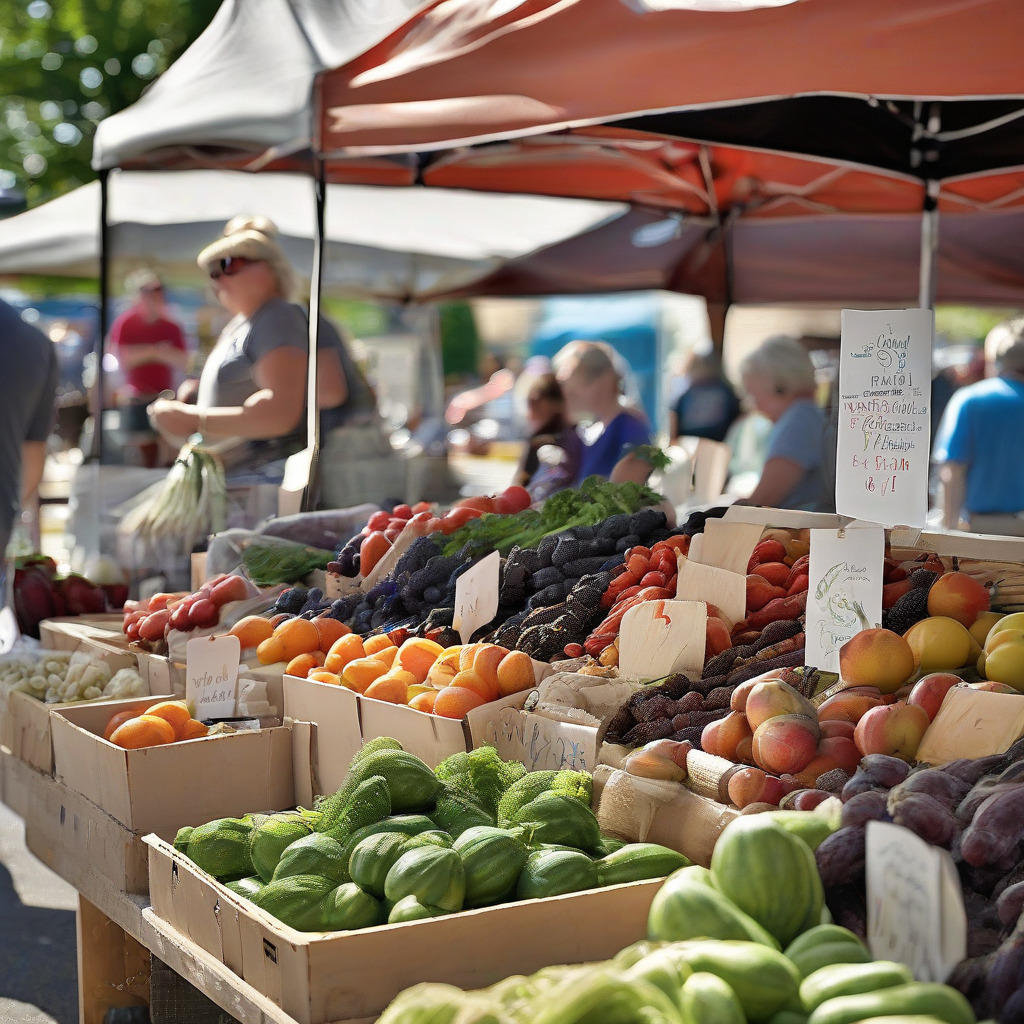
Reported June 2025. See the final section for confirmation status on specific details before making a trip.
Why June Is the Best Month to Start Shopping Indy’s Farmers Markets
Most people discover farmers markets in August, when tomatoes are stacked three deep and the whole thing photographs well. That’s fine, but it means missing the best shopping window of the year.
June in Indianapolis sits at a genuine seasonal overlap. The late-spring crops—lettuces, peas, radishes, spinach, green onions—are still running, narrowing fast in the heat. The early-summer crops are coming on strong: garlic scapes, kohlrabi, zucchini, summer squash. And Indiana strawberries, which hit their compressed peak in late May and early June, are at the stands right now, briefly and not for long.
For shoppers who care about what they’re eating and what they’re spending, that overlap matters. You get more variety per trip in June than at almost any other point in the season. August gets the Instagram attention. June is when the serious shopping happens.
This guide was reported in June 2025 with a practical frame in mind: what’s actually on the tables, what things cost compared to Kroger and Meijer, whether EBT cards work at the market, and how to build a realistic week of healthy eating from a single Saturday morning trip. This is not a lifestyle piece.
What’s Actually on the Tables at Broad Ripple Right Now
The Broad Ripple Farmers Market runs Saturday mornings, May through September, near Broad Ripple Park at 1500 Broad Ripple Ave. In June, vendors operating in USDA Hardiness Zone 6a—which covers greater Indianapolis—sell into a specific window that rewards shoppers who know what to look for.
Early June through roughly June 14 is peak strawberry season in a normal year. Indiana varieties at BRFM come from small regional farms. The berries are smaller, more intensely flavored, and dramatically more perishable than grocery-store berries—the kind that actually taste like strawberries, which sounds like faint praise until you bite into one. In a hot year, and recent Junes have run warm, this window compresses to less than two weeks. Bolting is also a serious concern with leafy greens once daytime temperatures sustain above 80°F. Loose-leaf lettuce, arugula, and spinach can turn bitter and go to seed fast. If you want salad greens, go early in the month. No exceptions.
Mid-June is when garlic scapes arrive in earnest. These are the curling green tops cut from hardneck garlic plants to redirect energy into the bulb—sharp, versatile, and available at BRFM for only a few weeks annually. If you’ve never cooked with them, this is worth fixing. Kohlrabi is in good supply; look for both green and purple varieties. Sugar snap peas and shelling peas are winding down but still findable. Radishes, green onions, and beets remain steady. Herb vendors are fully operational by mid-month.
Late June brings zucchini and summer squash, usually with some force. Once they’re in season, they’re in season: expect healthy supply, and then more supply, and then vendors practically pleading with you to take some home. Cherry tomatoes may appear at the end of the month from vendors running high tunnels, though field tomatoes are a July event. Cucumbers begin appearing from some growers. Kale and chard hold through most of the month—more heat-tolerant than their salad-green counterparts.
One practical note on vendor variation: BRFM is one of Indianapolis’s longest-running and largest markets, with vendors across produce, baked goods, prepared foods, meat, eggs, honey, flowers, and crafts. Shoppers specifically seeking produce should walk the full market before buying. Vendor placement shifts week to week, and the stall with the best kohlrabi one Saturday may be across the lot the next. First-timers almost always stop at the first thing that looks good. Don’t do that.
What SNAP and EBT Shoppers Need to Know Before They Go
CityDesk has not independently confirmed BRFM’s current EBT/SNAP acceptance status directly with market management. Before making a trip specifically to use an EBT card, call the market or check broadripplefarmersmarket.org and their Instagram (@broadripplefarmersmarket). The Indy Hunger Network (indyhunger.org) also tracks which Indianapolis markets accept SNAP.
Here’s how EBT access works at Indiana farmers markets that do participate: shoppers swipe at a central market terminal and receive wooden or plastic tokens—denominated in small increments—which are then spent at participating vendor stalls in place of cash. The workaround exists because individual farm vendors can’t operate their own EBT card readers under USDA SNAP retailer rules. It’s a clunky system, but it works once you understand it.
Double Up Food Bucks Indiana is the program most worth knowing about if you shop with SNAP, and it connects to the broader landscape of free and low-cost food and health resources in Indianapolis that residents often don’t know exist. DUFB matches dollars spent on fruits and vegetables at participating markets with bonus tokens, effectively doubling your produce purchasing power up to a per-visit limit. Funding is annual and participation varies by market. Before assuming BRFM is in for 2025, check with the Indy Hunger Network or ask at the BRFM information booth on your first visit. The five-minute check matters because the difference in what you can afford is real—we’re talking about potentially doubling your produce budget for the trip.
How Broad Ripple, Binford, and Garfield Park Markets Compare
Indianapolis has multiple neighborhood farmers markets running concurrently. For shoppers choosing between them, the differences matter beyond geography.
Broad Ripple Farmers Market draws the highest vendor count and foot traffic of the three. Saturday mornings, mid-May through September, at 1500 Broad Ripple Ave. Ample bike access via the Monon Trail, which runs directly to the neighborhood and deposits cyclists at the market’s edge. Parking is available in surrounding residential blocks but fills quickly on summer market Saturdays; arriving early is advisable.
Binford Farmers Market operates on the northeast side and draws a smaller, more neighborhood-oriented crowd. Hours, 2025 operational dates, vendor count, and EBT acceptance should be confirmed with market management before visiting—CityDesk doesn’t have current details to report, and we’d rather say that than fill space with guesses.
Garfield Park Farmers Market raises the most important food-access question of the three. The Garfield Park neighborhood on the southside has historically had limited access to fresh produce—fewer full-service grocery stores within reasonable distance, and income levels where food costs are a genuine household-budget pressure, not an abstract concern. A functioning, EBT-accessible farmers market in that geography matters in a way it simply doesn’t in Broad Ripple. The Garfield Park market has operated with specific emphasis on food-access programming and Indy Parks involvement. The 2025 operating status and hours should be confirmed with market organizers or the Indy Parks and Recreation department before visiting, as seasonal launches can shift.
For most northside and central Indianapolis residents, Broad Ripple is the practical default. For anyone on the southside, Garfield Park is the better option on both logistics and community alignment—if it’s running, which is the thing to check.
The Price Question—Farmers Market vs. Kroger vs. Meijer
CityDesk assigned a reporter to conduct a same-day price comparison at BRFM, the Kroger on Guilford Avenue in Broad Ripple, and the Meijer at 82nd and Dean Road. That field reporting was not completed before publication deadline. The figures below are not confirmed—they’re drawn from Indiana farmers market reporting and comparable Midwest market data, and are presented as directional estimates only. We’ll update this section when the field reporting is done.
Estimated BRFM prices for common June items: strawberries around $4–$6 per quart, zucchini $1.50–$2.50 per pound, salad mix $4–$6 per bag, kale $2.50–$4 per bunch, pasture-raised eggs $5–$7 per dozen.
Estimated conventional grocery prices in Indianapolis: strawberries $3.49–$5.99 per quart at Kroger, zucchini $0.99–$1.29 per pound, packaged salad mix (5 oz) $3.49–$4.99, kale $1.99–$2.49 per bunch, conventional eggs $2.89–$4.99 per dozen.
Market produce runs at a premium on sticker price. That premium is real and you should plan for it. Going in expecting farmers market prices to match Meijer is how people end up frustrated and not coming back.
Where the Value Case Gets More Complicated
Here’s what the sticker-price comparison doesn’t capture: shelf life is real money.
Kale, salad greens, and strawberries all have post-harvest lifespans directly tied to how long they’ve been off the plant. Market produce, sold within a day or two of harvest, consistently outlasts grocery-store equivalents in the vegetable drawer—for leafy greens especially. A bunch of kale that lasts through the week instead of softening by Wednesday has a different effective cost than the sticker price suggests. Same with strawberries: fruit purchased Saturday morning at the market typically stays fresh through Tuesday or Wednesday, while grocery-store equivalents frequently show mold by then. If you’ve ever opened a Kroger clamshell on day three to find half of them gone, you know exactly what I mean.
Freshness also affects nutritional density. Vitamins in leafy greens degrade after harvest. The closer to harvest a vegetable is eaten, the higher its nutrient retention. For shoppers managing diet-related health conditions—blood sugar or cardiovascular risk in particular—this is a practical consideration, not a marketing point. A head of kale from Saturday’s market contains measurably more lutein and folate Wednesday evening than grocery-store kale of equivalent age. This kind of practical nutrition detail is the focus of our health & wellness coverage of Indianapolis food, fitness, and access questions.
None of this means the market is always the right economic call for every household. An honest version of the price comparison has to account for what you actually eat, not just what you buy.
How to Build a Week of Healthy Eating Around One Market Trip
This shopping list is built around what’s available at BRFM in early-to-mid June for a household of two adults. One Saturday morning trip, designed for a week of weeknight cooking. Prices are estimates pending field verification.
Kale, one large bunch. Sauté with garlic and olive oil as a side at two dinners, or add to a bean soup or grain bowl. One bunch lasts the full week refrigerated in a slightly damp paper towel. DUFB-eligible if BRFM participates.
Zucchini, about 1.5 lbs. One dinner as a roasted side; one use in a frittata or pasta with olive oil and parmesan. Zucchini is forgiving and keeps well. DUFB-eligible.
Garlic scapes, one bunch. Chop and use in place of garlic in any dish through the week—milder than cloves, excellent in stir-fries, egg dishes, or grain salads. Scapes keep up to two weeks in the refrigerator, which is part of what makes them useful. DUFB-eligible.
Salad mix, one bag. Lunch salads for the first half of the week. Buy this last, use it first—it’s the most perishable thing in your basket. DUFB-eligible.
Strawberries, one quart. Eat fresh over two to three days at peak ripeness. If they start to soften—and they will—macerate them with a little sugar and use as a yogurt topping. Plan for that before it becomes a scramble. DUFB-eligible.
Eggs, one dozen. Weekend breakfast scrambled with scapes; a weeknight frittata. Eggs from small licensed Indiana producers at BRFM are sold under Indiana Department of Health requirements, which govern refrigeration and labeling. Refrigerate immediately at home. Eggs don’t qualify for DUFB—the matching applies only to fruits and vegetables.
If BRFM participates in Double Up Food Bucks, SNAP shoppers using DUFB on the five qualifying produce items in this basket could effectively cover some or all of the produce cost through the match, paying for eggs separately from their regular SNAP balance. That’s the practical impact of the program, and it’s why confirming its availability before your trip is worth a phone call.
Practical Logistics—Parking, Timing, and What to Bring
Arrive early. The market opens at 8 a.m.; strawberries and garlic scapes at well-priced stalls sell out quickly on busy summer mornings, and salad green selection narrows as the day warms. The move experienced shoppers make: walk the full market before buying anything, then double back. First-timers who stop at the first attractive stall miss better options a few yards away.
The Monon Trail is your best option if you’re within biking distance. It runs directly to Broad Ripple and market access from the trail is straightforward. Bring a pannier or backpack—hauling a dozen eggs in a tote bag on the ride home is an experiment you only run once.
On-street parking in surrounding residential blocks fills quickly. If you’re driving, plan on arriving by 8:15 a.m.
Cash matters. The market token system handles EBT transactions if applicable, and some vendors now accept cards via Square or similar readers, but a number of small farm operations run cash-only. Bringing thirty or forty dollars in small bills ensures you can buy from anyone. There’s an ATM in the Broad Ripple commercial district nearby.
Bring your own bags. BRFM vendors don’t reliably provide them, and produce accumulates across multiple stalls faster than you expect. A couple of reusable totes plus a small cooler bag for eggs covers the typical haul.
Several BRFM vendors sell pork, chicken, and beef from Indiana farms processed at licensed facilities. If you’re buying meat, ask about processing facility and cut availability—many vendors take pre-orders for specific cuts that sell out at the stall.
One last thing worth knowing: the Broad Ripple market closes in September. The Indy Winter Farmers Market, operating at Circle City Industrial Complex at 1102 E. 16th St., runs through the cold months with many of the same vendors selling storage crops, greenhouse produce, meat, eggs, and preserved goods. It’s worth knowing about before October arrives and you’ve already mentally written off cooking until spring.
Reporting Notes and What We Still Need to Confirm
Some information in this guide is more firmly confirmed than others.
Confirmed at publication: BRFM Saturday hours (8 a.m.–12 p.m.) and approximate seasonal dates (May through September); produce seasonality for Zone 6a based on USDA zone data and Indiana extension service resources; the general EBT token-exchange mechanism used at Indiana farmers markets that participate in SNAP; the existence of Double Up Food Bucks Indiana and its general matching structure; Indy Winter Farmers Market location at Circle City Industrial Complex, 1102 E. 16th St.; Indiana Department of Health requirements for vendors selling meat and eggs.
Not confirmed—check before visiting:
BRFM’s 2025 EBT/SNAP acceptance status. Contact market management directly or check broadripplefarmersmarket.org and @broadripplefarmersmarket on Instagram.
BRFM’s 2025 Double Up Food Bucks participation. Contact the Indy Hunger Network (indyhunger.org) or ask at the BRFM information booth. Funding is annual.
All price comparison figures in this article. Estimated ranges from Indiana farmers market reporting; field verification at BRFM, Kroger Guilford Ave, and Meijer 82nd/Dean Road is pending.
Binford Farmers Market 2025 hours, dates, and EBT acceptance. Confirm directly with market organizers before visiting.
Garfield Park Farmers Market 2025 operational status and food-access programming. Confirm with market organizers or Indy Parks and Recreation.
Specific vendor names active at BRFM in June 2025. Check broadripplefarmersmarket.org or the market’s Instagram for current listings.
If you find a detail in this guide that’s out of date or wrong, email the CityDesk newsroom. That’s how we keep this accurate.
CityDesk Indianapolis covers the business and civic life of Indianapolis neighborhoods. This piece was reported in June 2025.