Where Indianapolis Adults Can Get Free or Low-Cost Dental Care in 2026
Outdated directory listings won't get you an appointment. We called every clinic, confirmed current hours and fees, and decoded what Indiana Medicaid actually covers for adults so you don't have to…

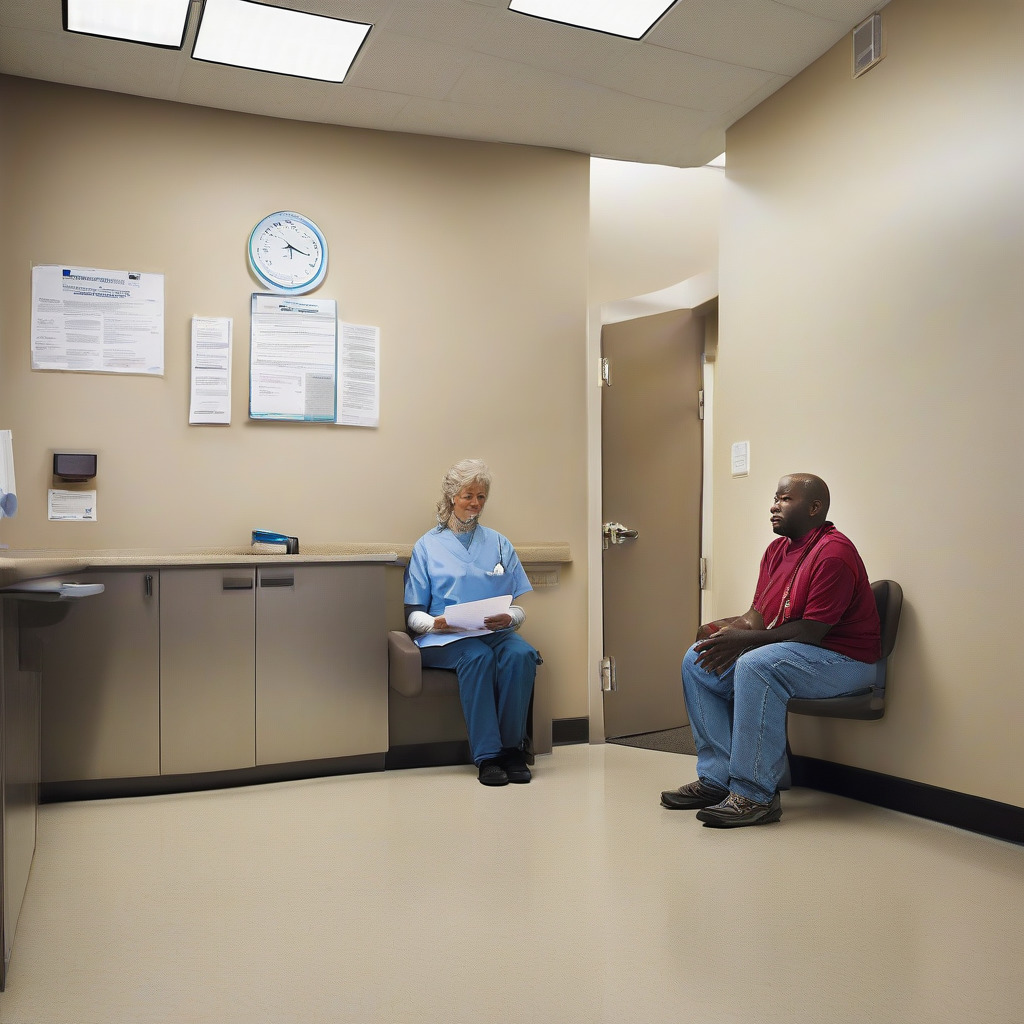
Outdated directory listings won’t get you an appointment. We called every clinic, confirmed current hours and fees, and decoded what Indiana Medicaid actually covers for adults so you don’t have to guess.
If you need a tooth pulled, a cleaning, or a back-to-school dental certificate and you don’t have private insurance, Indianapolis has real options. They’re just not easy to find. Not because the clinics are obscure, but because almost every online resource pointing to them is two or three years out of date, lists phone numbers that roll to voicemail dead ends, and fails to tell you the one thing that actually determines whether you can walk through the door: your household income relative to the federal poverty level.
This guide covers the IU School of Dentistry patient clinic on Indiana Avenue, both major Federally Qualified Health Center networks operating in Marion County, Gennesaret Free Clinic, and what Indiana’s HIP 2.0 Medicaid actually pays for when you do have coverage. It tells you what to do at 11 p.m. when you have facial swelling and no insurance. And it tells Marion County parents exactly when they need to act to clear the IPS dental certificate deadline before the August crunch hits.
Know Your Income Bracket Before You Call Anywhere
Every low-cost dental provider in Indianapolis runs the same filter first: your household income as a percentage of the Federal Poverty Level. Get this number wrong before you call and you waste everyone’s time. Get it right and you know immediately which doors are open.
The 2025 FPL figures, which most clinics still reference in 2026:
| Household Size | 100% FPL | 138% FPL | 200% FPL |
|---|---|---|---|
| 1 person | $15,060 | $20,783 | $30,120 |
| 2 people | $20,440 | $28,207 | $40,880 |
| 4 people | $31,200 | $43,056 | $62,400 |
Three thresholds matter here.
At or below 100% FPL, you pay the minimum fee at any Federally Qualified Health Center—often nothing, or close to it. At or below 138% FPL, you may qualify for HIP 2.0 Medicaid if you’re an adult between 19 and 64 and not already enrolled. Up to 200% FPL, you’re still eligible for sliding-scale rates at FQHCs and most free clinics. Above 200% FPL, those discounts stop—with one exception. The IU School of Dentistry patient clinic has no income requirement at all. Any uninsured or underinsured Indianapolis resident can make an appointment there regardless of what they earn.
When you call a clinic, have this ready: your most recent federal tax return or a recent pay stub showing monthly gross income, proof of household size (a utility bill with your address, birth certificates for dependents), and a photo ID. Federally required sliding-scale clinics must accept self-attestation if you don’t have documentation, but having paperwork gets you through intake faster.
IU School of Dentistry Patient Clinic
The Indiana University School of Dentistry patient clinic at 1121 W. Michigan St.—on the IUPUI campus near Indiana Avenue—is the most accessible affordable dental option in the city for one simple reason: income doesn’t matter. Uninsured or underinsured, you can make an appointment. You don’t have to prove poverty to get your teeth cleaned here.
Call (317) 274-7957. No walk-ins. You’ll go through a brief phone intake, and a new patient appointment—typically a comprehensive exam and X-rays—gets scheduled before any treatment begins. Call as early as possible. Do not wait until you’re in pain to make that first call. Seriously — the gap between “I should probably call” and “my face is swollen” is not the time to discover a three-week wait for new patients.
Fee ranges are well below private practice rates. Historically, cleanings have run around $20–50 and simple extractions around $50–150, but these figures change and the clinic will quote you specifically after examination. If you need oral surgery or another specialty, ask when you call whether you can schedule directly with that department or whether you need a general dentistry referral first. That question trips people up.
The work is performed by dental students under licensed faculty supervision. Accredited dental school clinics are not a gray area—the oversight is real and the care is verified. The trade-off is time. Block two to three hours for a cleaning, more for restorative work. If your schedule can absorb that, this clinic works very well.
The IU patient clinic participates in HIP 2.0—confirm current status when you call and bring your Medicaid card. IndyGo Routes 37 (Michigan Street) and 18 (Indiana Avenue) both serve the IUPUI campus. There’s patient parking on campus; ask about validation when you call.
Federally Qualified Health Centers in Marion County
Federally Qualified Health Centers receive federal funding to serve low-income and underserved patients, and in exchange they’re legally required to offer a sliding-fee scale to anyone at or below 200% FPL. That’s not a policy choice—it’s a condition of federal FQHC certification. No FQHC can opt out of it. That makes them the most reliable low-cost dental providers in the city for patients who fall within the income range.
Neighborhood Health Indianapolis
Neighborhood Health runs multiple Marion County locations and is the larger of the two FQHC networks with confirmed dental services. The Near Eastside location offers dental care, though patient volume varies by site. Call the main line to find out which location currently has dental availability and the shortest wait.
At or below 100% FPL, basic services often run $0–20 per visit. Fees scale upward through the 200% FPL band. Ask for the current fee schedule when you call. Neighborhood Health accepts HIP 2.0—confirm current participation status directly.
The clinic doesn’t operate as a same-day dental walk-in under normal circumstances, but urgent pain slots may exist. Ask specifically when you call, and ask what time to call to reach them—those slots go early in the morning. New patients should expect a wait for routine appointments. If you can’t get a timely slot and you’re in pain, skip ahead to the emergency section below.
Neighborhood Health dentists are licensed Indiana practitioners, so their signature satisfies the IPS dental certificate requirement under Indiana Code 20-34-4. If you’re scheduling a child’s back-to-school exam, say so explicitly when you call.
Open Door Health Center
Open Door serves Fountain Square and the Near Southside and has historically provided dental services on an FQHC-equivalent model. Call before you go. Open Door has had operational changes in recent years, and showing up without confirming dental availability first could cost you an afternoon. If dental services are running when you call, the sliding-scale structure mirrors Neighborhood Health’s—the federal mandate applies equally. Confirm HIP 2.0 status directly.
Gennesaret Free Clinic
Gennesaret, on Indianapolis’s near west side, is one of the few places in Marion County where “free” is accurate without asterisks. No sliding-scale fees, no copays, no bill. It runs on a volunteer model, and understanding that distinction is the difference between this being your best option and a wasted trip.
To qualify: you must be uninsured and your household income must be at or below 200% FPL. Bring proof of income and household size. Gennesaret’s dental program focuses on extractions and basic restorative work—not comprehensive cleanings, not complex procedures. This is not a full-service dental office and it doesn’t try to be.
If you need a tooth pulled and you meet the income threshold, Gennesaret may be your fastest route to free care. If you need a cleaning for a back-to-school certificate, or a filling on a tooth worth saving, the IU School of Dentistry or a Neighborhood Health location is a better fit.
Dental services have historically run one or two evenings per week, but volunteer clinic schedules shift without advance notice. Call before every visit—don’t rely on Google’s hours or any third-party directory. If you’re managing a dental issue with a predictable timeline, the FQHC or IU clinic will serve you better. If your situation is acute and you need an extraction, Gennesaret is legitimate. Just verify everything before you show up.
What Indiana Medicaid (HIP 2.0) Actually Covers for Adult Dental
HIP 2.0 includes adult dental benefits, and they’re more useful than most enrollees realize. What trips people up is the two-tier structure and the gap between what’s covered automatically and what requires prior authorization.
HIP 2.0 divides enrollees into HIP Basic and HIP Plus. The difference comes down to the POWER Account—a savings component where enrollees contribute a monthly amount (up to $22, scaled to income) in exchange for enhanced benefits. Those who don’t contribute stay on HIP Basic. Both tiers cover preventive exams, routine cleanings, diagnostic X-rays, simple fillings, simple extractions, and emergency palliative treatment. Verify current annual limits on cleanings and exams through your managed care organization or at FSSA.in.gov—those limits change.
Prior authorization is required for crowns, deep cleanings (scaling and root planing), dentures, partial dentures, and some surgical extractions depending on complexity. Adult orthodontics and cosmetic procedures are excluded entirely.
Benefit changes effective January 1, 2026 are in effect. The state maintains a Medicaid provider directory at indianamedicaid.com—but here’s the critical warning: that directory lags actual panel status by months. A dentist listed as accepting HIP 2.0 may have closed their panel since the last update, and there’s no flag telling you that. Always call the dental office first and ask directly: “Are you currently accepting new HIP 2.0 patients?” The directory is a starting point, not an answer.
Dental Emergency in Indianapolis With No Insurance
Facial swelling, fever, swelling spreading toward your eye or neck, difficulty swallowing—go directly to the Eskenazi Health Emergency Department at 720 Eskenazi Ave. Don’t wait. A dental abscess that spreads beyond the tooth is a life-threatening infection. Eskenazi is Indianapolis’s primary safety-net hospital. Ask about financial assistance for uninsured patients at the registration desk.
What the ER can do: administer antibiotics, manage pain, image the infection to assess spread. What the ER cannot do: pull teeth under normal circumstances, place fillings, or fix the underlying dental problem. The ER addresses the life-threatening part. The tooth still needs treatment—which means the morning after an ER visit, your next call is to the IU School of Dentistry or Neighborhood Health.
Significant tooth pain with no swelling, no fever, no signs of spreading infection: call the IU School of Dentistry at (317) 274-7957 or Neighborhood Health the moment they open on weekdays. Ask explicitly for an urgent or same-day dental slot. These fill fast. Call at opening, not mid-morning.
After hours, call 211 Indiana—available around the clock. It’s a referral line, not a clinic, but it’s staffed by real people who can connect you to after-hours options, emergency dental referrals, and community health resources. It won’t fix your tooth, but it can tell you what’s available when everything else is closed. For broader context on Indianapolis-area healthcare options covered in our health & wellness coverage, comparing system resources can help you understand what each facility handles best.
The IPS Back-to-School Dental Certificate
Indiana Code 20-34-4 requires students in certain grades in Indiana public schools to submit a dental examination certificate. Verify current grade requirements and submission deadlines directly with IPS—call the health services office or check the IPS website, since requirements can shift year to year.
The certificate needs the signature of a licensed Indiana dentist. That’s the whole requirement. An IU School of Dentistry faculty dentist qualifies. A Neighborhood Health dentist qualifies. Any licensed Indiana dentist’s signature on the Indiana State Department of Health dental examination form satisfies it.
One practical warning: demand at low-cost clinics spikes every August because of this deadline, every year, predictably. Call in May or June if your child needs a dental certificate and you’re relying on a free or low-cost clinic. Families who wait until August routinely discover the next available appointment falls after the school deadline. If your child was already seen at a low-cost clinic earlier this calendar year, ask whether the dentist can complete the certificate based on that visit—if the exam is recent and the documentation is on file, you may not need a new appointment at all.
Provider Quick-Reference
Call every provider before visiting to confirm current availability, hours, and fees.
| Provider | Address / Neighborhood | Phone | Cost Model | Income Requirement | HIP 2.0 | Appointment | IndyGo |
|---|---|---|---|---|---|---|---|
| IU School of Dentistry Patient Clinic | 1121 W. Michigan St., IUPUI campus | (317) 274-7957 | Reduced fees—confirm schedule when you call | None—open to any uninsured/underinsured resident | Confirm when you call | Phone intake required; no walk-ins | Routes 37 and 18 |
| Neighborhood Health | Near Eastside and additional Marion County sites—call to confirm dental location | Call main line for current number | Sliding scale; $0–20 at or below 100% FPL; scales through 200% FPL—ask for current schedule | Up to 200% FPL for sliding scale | Yes—confirm current participation | Call ahead; ask about urgent slots at opening | Varies by site |
| Open Door Health Center | Fountain Square/Near Southside—call to confirm address and dental availability | Call for current number | Sliding scale (FQHC model) | Up to 200% FPL | Confirm when you call | Call before visiting—dental availability has varied | Confirm when you call |
| Gennesaret Free Clinic | Near west side—call to confirm address | Call Gennesaret directly | Free—no fees, no billing | Uninsured; at or below 200% FPL | Not applicable (uninsured only) | Call ahead every time; volunteer schedule shifts | Call for directions |
| Eskenazi Health ER (swelling/spreading infection only) | 720 Eskenazi Ave. | 911 or go directly | Billed; financial assistance available—ask at registration | No income requirement to be seen | Yes | Emergency—go directly | Routes 8, 37 |
211 Indiana: dial 2-1-1, available 24/7. Referral and resource line, not a clinic.
Clinic hours, fee schedules, and eligibility requirements change—sometimes without any public notice. This guide reflects reporting conducted for 2026 publication. Volunteer clinic schedules shift, FQHC locations add or reduce services, and Medicaid benefit structures move with state budget decisions. Call before you go. If something in this guide has changed, contact CityDesk Indianapolis so we can fix it.
For more local coverage, explore our Health & Wellness section.