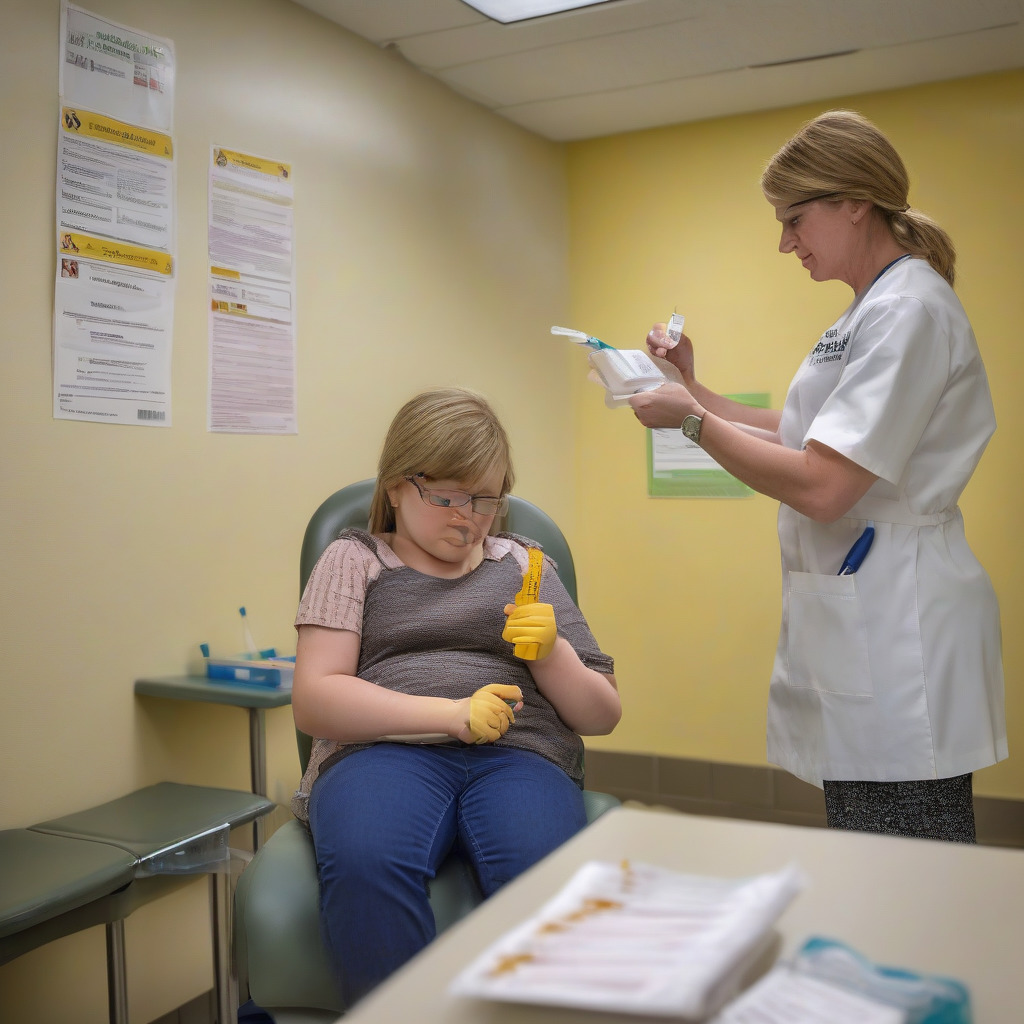
When to Go to Urgent Care or the ER for a Summer Injury in Indianapolis
From fireworks lacerations to heat stroke at the State Fair, here's how to triage the season's most common emergencies — with real cost numbers and which Indianapolis systems have shorter waits.


From fireworks lacerations to heat stroke at the State Fair, here’s how to triage the season’s most common emergencies — with real cost numbers and which Indianapolis systems have shorter waits.
Editorial note: Several figures in this article are drawn from federally required hospital price transparency files and publicly available sources as of summer 2025. Specific dollar amounts and phone numbers should be verified directly with each health system before acting on them. Lines marked [VERIFY] are flagged for confirmation.
The decision takes about four seconds in real life. Your kid slices his hand on a bottle rocket casing at a neighbor’s July 4th cookout. Your running partner stops sweating on the Monon Trail and starts talking nonsense. You have to go somewhere right now, and you’re going to choose based on whatever mental shorthand you already have. If that shorthand is wrong, it either costs you $2,000 you didn’t need to spend or something worse.
Indianapolis produces a predictable cluster of these moments every summer. Consumer fireworks are legal in Indiana, which means July 4th week reliably spikes hand and eye injuries across Marion County. Eagle Creek Reservoir, Geist, and the White River pull in swimmers and paddlers who get cuts, sprains, and the occasional near-drowning scare. The State Fair runs through the hottest weeks of August, packing enormous crowds onto blacktop midways. The Ruoff Music Center in Noblesville seats thousands on outdoor lawn during afternoon shows. The Indy Indians play Victory Field in direct sun. Every one of these settings generates the specific moments where Indianapolis residents make the ER-versus-urgent-care call under pressure, without good information, and often get it wrong.
This is the information you should already have before that moment arrives.
The One Rule That Overrides Everything Else
Before any framework, there’s a short list where the analysis stops. Call 911 for: altered or lost consciousness, uncontrolled bleeding that won’t respond to direct pressure, chest pain, difficulty breathing, sudden vision changes, suspected heat stroke, suspected drowning even if brief, severe allergic reaction, or seizure. These aren’t judgment calls. For everything else, read on.
The Triage Decision for Indianapolis Summer Scenarios
The practical rule: if the problem is serious but stable — patient is conscious, breathing normally, not bleeding uncontrollably, no signs of systemic collapse — urgent care is almost always the right first stop. Here’s what that looks like against the specific situations Indianapolis summer actually produces.
Fireworks laceration, hand or finger, bleeding controlled. Every July 4th week, Indianapolis ERs absorb a surge of hand injuries that a MedCheck or GoHealth clinic could have handled. If the cut is deep but pressure is controlling the bleeding, the wound edges aren’t gaping badly, and finger movement appears intact, urgent care can close and discharge you at a fraction of the ER cost. Bone involvement, tendon exposure, significant tissue loss, or bleeding that won’t stop — that’s an ER.
Fireworks eye injury. Emergency department. Immediately. Urgent care clinics don’t have the equipment for ocular trauma.
Heat exhaustion at the State Fair or a Ruoff show. If the patient is still alert and still sweating, you have options. Heat exhaustion — heavy sweating, pale clammy skin, nausea, weakness — is serious but manageable with IV fluids and monitoring. The State Fairgrounds medical stations can begin initial assessment. Use them. Call a nurse line, or get the patient to urgent care.
Heat stroke. Call 911. Covered in detail below, but the short version: don’t look for workarounds.
Cut at Eagle Creek or Geist. Both reservoirs reliably generate the summer laceration from submerged rocks, broken glass, and boat hardware — if you’ve spent any time at Eagle Creek’s beach, you’ve seen it. Wounds that are controlled and not over a joint are straightforward urgent care. If the cut crosses the knee, wrist, or ankle, or if the patient hit a dock and there’s any head or neck involvement, go to an ER.
Swimmer’s ear. Urgent care or your primary care doctor. Not the ER.
Tick bite after hiking Fort Harrison or Eagle Creek. Indiana has confirmed Lone Star tick populations alongside the blacklegged tick that carries Lyme. If you find an attached tick and want prophylactic doxycycline, that 72-hour window is real and urgent care can prescribe it. Bull’s-eye rash, fever, or neurological symptoms in the weeks following a bite — get evaluated, but that’s still likely urgent care or your own doctor rather than an ER unless symptoms are severe.
Dehydration at a Pacers or Indians game. Victory Field radiates heat off the field-level seats even on night games in July. Headache, dizziness, dark urine, muscle cramps — urgent care handles these. Confusion, no urination, or extreme cramping in an endurance athlete raises rhabdomyolysis risk, and that’s an ER.
Sprained ankle at Brown County or Fort Harrison. Urgent care with X-ray. Most Indianapolis clinics have it on-site.
Heat Illness Is the Triage Call Indianapolis Gets Wrong Most Often
The average July high in Marion County hovers around 84 degrees, and the heat index regularly exceeds 95. Pavement-dense neighborhoods, outdoor mass events, and a population that doesn’t always have air conditioning make heat illness a genuine recurring problem in this city — not an abstract risk. People get seriously hurt every summer. This is the kind of scenario we cover closely in our health and wellness coverage because the cost of getting it wrong — financially and physically — falls hardest on residents with the fewest options.
The line between heat exhaustion and heat stroke is not subtle once you know what to look for.
Heat exhaustion: the patient is still sweating. Skin is pale and clammy. They feel weak, nauseated, possibly dizzy. Crucially, they can tell you where they are and answer questions coherently. Core temperature may be elevated but generally stays below 104. Get them to shade or air conditioning immediately. Water or a sports drink if they can tolerate it without vomiting. Then nurse line or urgent care.
Heat stroke is different in one critical way: the patient has stopped sweating despite the heat. Skin is hot and dry. They’re confused, slurring, or unresponsive. Core temperature is at or above 104. Call 911. While waiting, move them to shade, apply ice packs or cold wet cloths to the neck, armpits, and groin, and fan them hard. Don’t give fluids to anyone who isn’t fully conscious.
The places where Indianapolis residents most often wait too long on this call: the State Fair midway during afternoon hours, the Ruoff lawn during a long set, the White River kayak launch on a hot Saturday, endurance runs on the Monon. Bystanders keep hoping the person will cool down on their own. With heat stroke, that wait causes permanent harm. The window is short, and the outcome gap between acting at 10 minutes and acting at 30 minutes is not theoretical — ER physicians at IU Health Methodist have described it as one of the most preventable sources of serious summer outcomes they see. The season produces real cases of this. Don’t be the person who waited.
What This Actually Costs in Indianapolis
The cost gap between urgent care and an emergency department for the same condition is large, and it has real financial consequences for uninsured and underinsured Marion County residents and those on Indiana’s Medicaid expansion.
Based on price transparency file data from IU Health, Community Health Network, and Ascension St. Vincent, a mid-level urgent care visit runs roughly $150 to $300 for the visit itself — covering a laceration, dehydration assessment, or a sprain with X-ray. Sutures and imaging add to that. But often, that’s your total out-of-pocket cost under a standard insurance plan [VERIFY against current price transparency files].
An ER visit for the same complaint works differently. The facility fee — charged simply for walking through the door, before any treatment — at major Indianapolis hospital systems typically starts at $1,500 or more at the billed-charge level, even for a low-acuity visit [VERIFY against IU Health, Community Health, and Ascension transparency files]. Add the physician fee, imaging, and procedures, and an ER visit for a non-emergency can generate a bill of $1,500 to $3,000 or more. For uninsured patients, that billed charge is the starting point — not the floor. Ask for the financial counselor before you leave. You can negotiate. Many patients don’t know that.
For Indianapolis residents on Indiana’s HIP 2.0 program, there’s an additional wrinkle. Indiana’s cost-sharing provisions can charge members who use the ER for conditions treatable in a lower-acuity setting, and repeated ER use for non-emergencies can carry enrollment consequences [VERIFY current rules with Indiana FSSA — these provisions have been subject to federal review and may have changed]. The bottom line: if you’re on HIP 2.0 and you drive to a downtown ER for swimmer’s ear, you may face a charge you would not have faced at MedCheck.
Indianapolis’s Three Major Systems for Urgent Care
IU Health’s GoHealth-branded urgent care clinics operate at multiple Marion County locations [VERIFY current list and hours]. They generally have on-site X-ray. GoHealth treats children, but these aren’t pediatric-specialized facilities — lower your threshold for redirecting to Riley-affiliated care if you have a young child with a suspected fracture or head injury [VERIFY pediatric age limits and capabilities at each location].
Community Health Network’s MedCheck clinics are the most familiar urgent care brand in Indianapolis to longtime residents, and for most summer scenarios they’re a solid call [VERIFY current locations and hours]. Walk-ins accepted, X-ray on-site, and if you’re an existing Community patient, your records follow you — useful if you end up needing follow-up care.
Ascension runs Prompt Care locations tied to its St. Vincent campus footprint [VERIFY current locations, hours, and branding]. Comparable services to the other systems. For a fuller comparison of how these three major health systems are structured and what patients actually experience across them, see our breakdown of IU Health vs. Ascension St. Vincent vs. Community Health Network.
Riley Children’s Health operates urgent care locations built specifically for pediatric patients. For a child with a suspected fracture, a deep laceration requiring repair, or any heat illness concern, a Riley urgent care location is the right first stop before a general emergency department [VERIFY current locations directly at rileychildrens.org].
One thing worth naming directly: the urgent care network on Indianapolis’s far east side and near south side is significantly thinner than what you find in the north side and Fishers-Carmel corridor. That’s a real disparity, and it affects real triage decisions for real families. If you live in those neighborhoods, find your nearest MedCheck or GoHealth location before you need it. Knowing it’s 20 minutes away is more useful than discovering it in the moment.
Which Indianapolis ERs Have Shorter Waits in Summer
Wait times are dynamic. No article gives you a reliable static answer. Here’s what the patterns look like, and then check live tools before you go.
IU Health Methodist, the Level I Trauma Center on the I-65 corridor downtown, receives the region’s most serious trauma — severe fireworks injuries, critical heat stroke, major accidents. On a summer Friday or Saturday night, waits for lower-acuity patients can stretch for hours. If your problem isn’t a trauma, Methodist on a weekend night is a poor choice.
Suburban campuses move faster. Community North (86th and Shadeland area), Ascension St. Vincent Fishers, and IU Health North in Carmel handle lower trauma volumes and tend to be faster on summer weekends for non-emergency presentations. That said, on a night with a Ruoff concert in Noblesville and a heat event, Community North’s volume spikes too. Check before you commit [VERIFY suburban campus patterns with local sources].
Both IU Health and Community Health publish live estimated ER wait times on their websites. IU Health: iuhealth.org, under “Emergency Care” [VERIFY tool is live]. Community Health: ecommunity.com [VERIFY]. Pull these up on your phone before you leave the house. They’re estimates, not guarantees, but they’re a real signal — meaningfully better than guessing. For a detailed look at how the major clinics compare on walk-in costs and typical wait times by location, see our guide to how Indianapolis urgent care clinics compare on wait times and walk-in costs.
Busiest windows to avoid for non-emergencies: Friday and Saturday nights, roughly 9 p.m. to 2 a.m. State Fair period afternoons and evenings. Major Ruoff concert dates.
Call a Nurse Line Before You Go
Most Indianapolis residents skip this step. They shouldn’t. Every major local health system staffs a nurse advice line with registered nurses who can hear your description, help route you to the right level of care, recommend a specific location, and document the call. It takes five to ten minutes. It can save you a $2,000 bill. It can also tell you to call 911 when you thought you could wait.
A trained RN will ask follow-up questions and catch the detail you didn’t think to mention. That’s not a small thing. The nurse line numbers require direct verification before publication — call each system’s main line and ask for nurse triage [VERIFY all numbers]:
IU Health Nurse Advice Line: [VERIFY] Community Health Network: [VERIFY] Ascension St. Vincent: [VERIFY] Riley Children’s Health: [VERIFY]
Add these to your phone contacts now.
Quick-Reference Card
Call 911 for: Confusion or unconsciousness. Uncontrolled bleeding. Chest pain. Difficulty breathing. Heat stroke — hot or dry skin, confusion, temperature at or above 104. Any fireworks eye injury. Suspected drowning.
Urgent care for: Controlled lacerations. Heat exhaustion (still sweating, still responsive). Sprained ankle with X-ray. Swimmer’s ear. Tick bite within 72 hours. Moderate dehydration. Most fireworks hand injuries without bone or tendon involvement.
Cost gap: Urgent care, roughly $150–$300 plus procedures. ER facility fee alone, $1,500+, before any treatment. [VERIFY against current hospital price transparency files]
HIP 2.0 enrollees: ER use for non-emergency conditions can trigger cost-sharing penalties. [VERIFY current rules with Indiana FSSA.]
Live ER wait times: IU Health: iuhealth.org [VERIFY tool location] Community Health: ecommunity.com [VERIFY tool location]
Nurse lines [VERIFY all directly with each system]: IU Health: [VERIFY] Community Health: [VERIFY] Ascension St. Vincent: [VERIFY] Riley Children’s: [VERIFY]
Busiest ER windows: Friday/Saturday nights, State Fair period, major Ruoff concert dates.
Pediatric injuries: Riley Children’s Health urgent care before a general ER. [VERIFY current locations at rileychildrens.org.]
CityDesk Indianapolis notes: Dollar figures and phone numbers require verification against current price transparency files and direct calls to each health system before publication. All sourcing reflects Indianapolis, Indiana (Marion County). The “Indianapolis, MN” reference in the original brief is an error — no such city exists in Minnesota. Confirm with assigning editor.