What Temperature Does Your Indianapolis Landlord Have to Keep Your Heat, and When
Indiana law requires landlords to maintain "habitable" conditions. Here's what that means in Marion County, who enforces it, and what to do on a Tuesday morning when your apartment is 54°F and drop…

Indiana law requires landlords to maintain “habitable” conditions. Here’s what that means in Marion County, who enforces it, and what to do on a Tuesday morning when your apartment is 54°F and dropping.
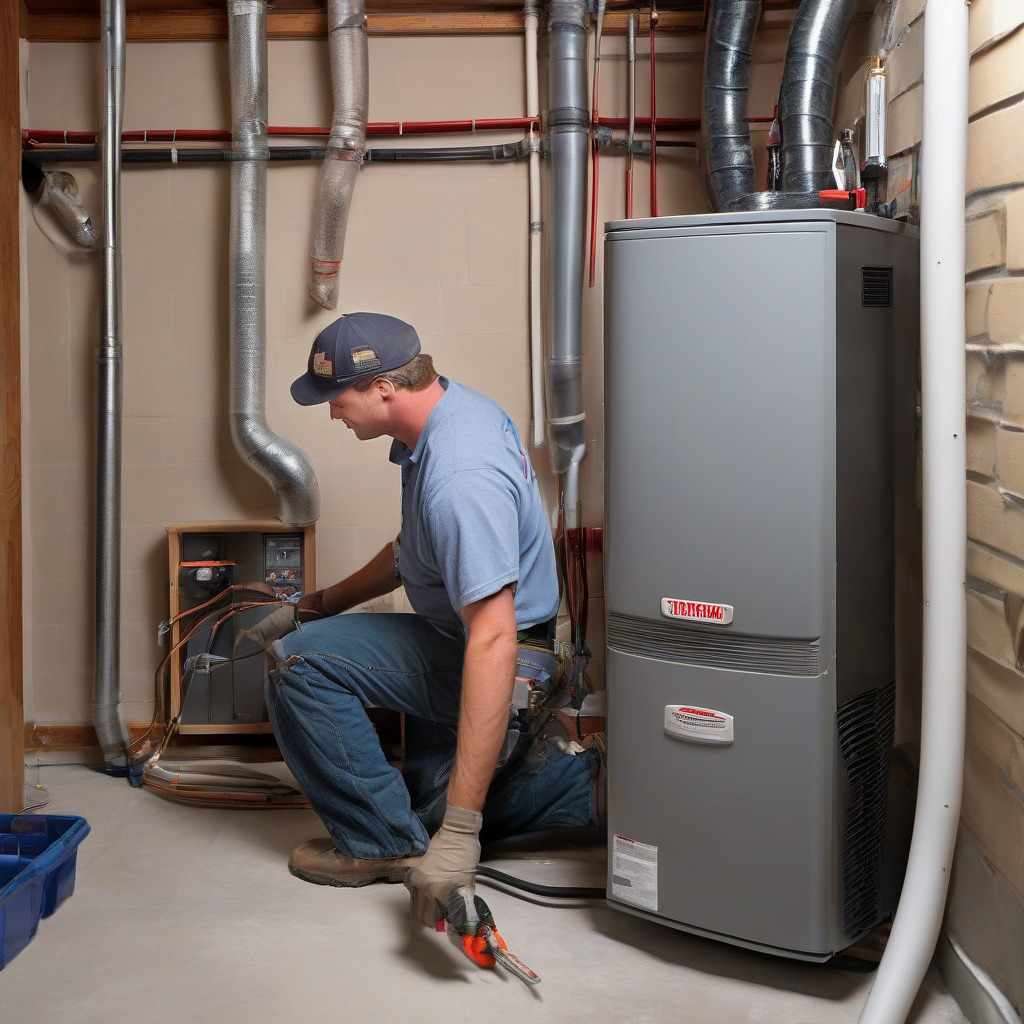
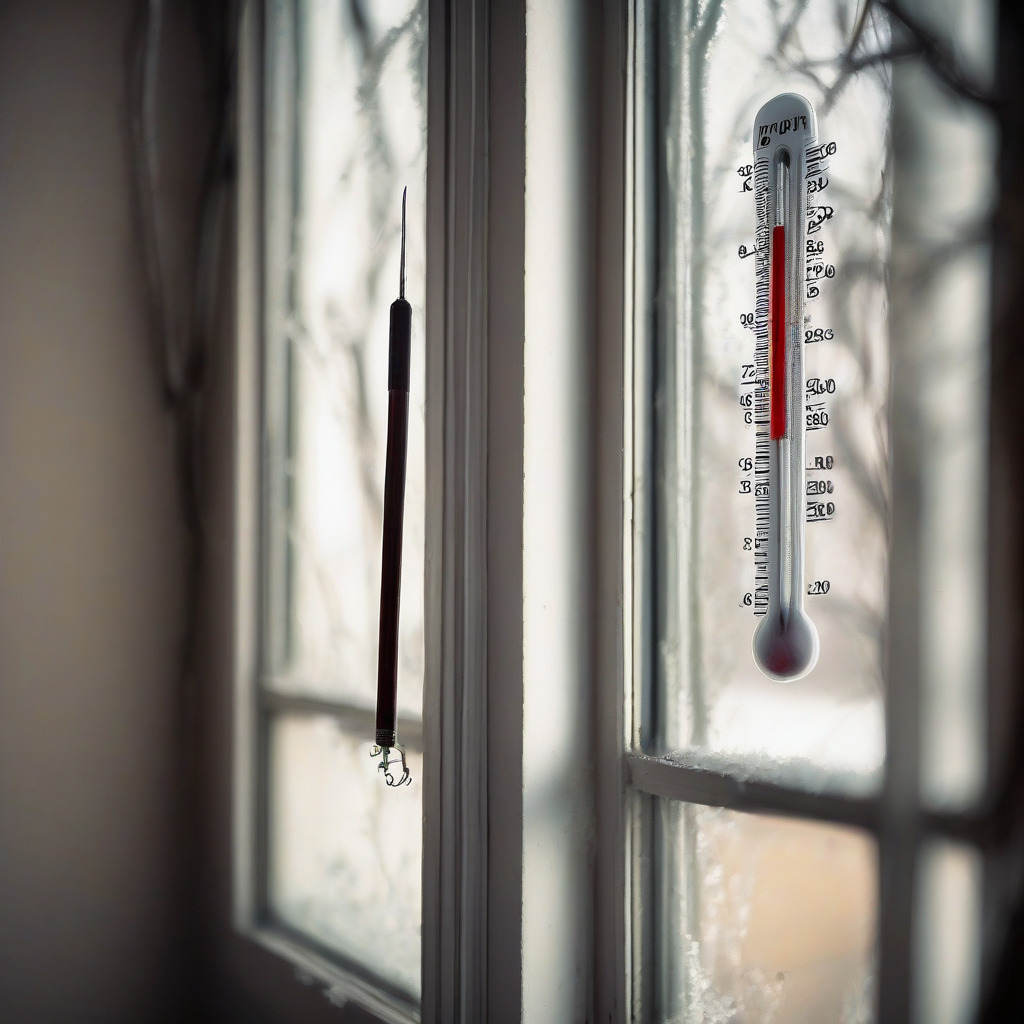
Late October. The first real freeze has rolled into Marion County overnight — 28°F by 6 a.m., the kind of cold that makes the windows of older rental houses sweat on the inside. You wake up in your apartment in Garfield Park or Haughville and realize the furnace hasn’t kicked on. You call your landlord. No answer. You text. Nothing. By 9 a.m. the thermostat reads 54°F and is still dropping.
This is not hypothetical. Every fall this pattern repeats in Marion County, concentrated in the neighborhoods where it happens most often: Brightwood, Garfield Park, Haughville, Irvington, the Near Eastside. These areas carry high proportions of pre-1970 housing stock where boilers and forced-air systems have been patched through a few too many winters. The renters who fare best are the ones who already knew the rules before they needed them.
This piece runs in September for a reason. Once your heat is out and it’s freezing outside, your window to act is measured in hours. Here is what you need to know.
What Indiana Law Actually Requires
The governing statute is Indiana Code 32-31-8. Under IC 32-31-8-5, a landlord must deliver and maintain a rental unit in a “habitable” condition throughout the tenancy. That includes keeping the heating system in safe working order — not merely responding when it breaks, but maintaining it so it doesn’t break in the first place. The statute specifically requires landlords to maintain “reasonable heat” when required by season or local ordinance.
Here’s the catch that surprises most Indiana renters: IC 32-31-8 does not define a minimum temperature in degrees. State law uses the word “reasonable” and leaves it there. That gap is filled by municipal code. What “uninhabitable” means under Indiana law is a condition that materially endangers the health or safety of the occupant, and failure to provide heat in cold weather has been treated as a breach in Indiana courts. But the specific number an inspector will actually use when she shows up to your building comes from a different document entirely.
The Number That Matters: 68°F
Indianapolis has adopted the International Property Maintenance Code (IPMC), incorporated into the Revised Code of the Consolidated City and County, Chapter 621. Under that framework, the minimum indoor temperature for occupied rental units during heating season is 68°F.
That is the threshold Marion County Code Enforcement inspectors apply when they respond to a heat complaint. Not “reasonable.” Not “warm enough.” Sixty-eight degrees Fahrenheit, measured inside the habitable rooms of the unit. If an inspector visits your apartment and measures 64°F inside while it’s 30°F outside, your landlord is in violation and the inspector has authority to issue a formal Notice of Violation with a compliance deadline. The state statute creates the framework. The municipal code gives inspectors an actual number to enforce.
[Confirm 68°F figure and RCCC Chapter 621 citation directly with OPHS Code Enforcement before publication.]
When Does the Heat Season Start?
The IPMC framework defines the heating season as running September 1 through June 1, meaning landlords’ obligation to maintain 68°F applies across that window. Whether Indianapolis has adopted local amendments that shift the start date — to October 1, say — requires confirmation from the Office of Public Health and Safety and the current RCCC Chapter 621 text before this piece publishes. The difference between September 1 and October 1 is not academic. A renter calling on September 15 needs to know which applies.
[Confirm the exact heating-season start and end dates with OPHS and the city attorney’s office before publication.]
The heating season window defines when the city’s enforceable minimum applies most clearly. It does not mean landlords can ignore a heat failure in August if indoor temperatures drop to dangerous levels, and it doesn’t make a failure on September 30 legally inert. Indiana’s habitability statute runs year-round. But the heating season framework is the sharpest enforcement tool available, and it’s what Marion County inspectors are working from.
In Marion County, the first overnight freeze historically arrives around October 20 — which means the heating season obligation is either active or days away when the cold hits. The timing problem is compounded by a mechanical one: furnaces that worked fine in April can develop problems sitting idle all summer. Failed thermostats, corroded connections, cracked heat exchangers. One cold snap, one dead igniter, and it’s 54°F before anyone has had coffee.
That’s why September is the right time to read this. The brick bungalows in Brightwood, the wood-frame doubles near Garfield Park, the pre-war apartments in Haughville — these are the buildings where the failure-when-you-need-heat-most pattern repeats most reliably. By the time the furnace dies, you should already know what to do. For context on what conditions renters across the city are navigating more broadly, our home & property coverage tracks habitability, code enforcement, and housing conditions year-round.
What to Do Right Now
This section is written for a renter whose heat is out today. The sequence matters because Indiana law requires documented written notice to unlock most of your legal options. The clock moves fast when it’s near freezing outside.
Document everything first. Take a thermometer reading inside your unit — not the wall thermostat display, which can lag, but a standalone thermometer in the main living area. Photograph the reading with your phone so the timestamp is embedded in the file. Photograph the thermostat. If there’s visible damage to the furnace, boiler, or heating unit, photograph that too. Screenshot any prior messages to the landlord about heat issues. You’re building a record. If this ends up in a Code Enforcement inspection or a small claims proceeding, a photo with a timestamp is worth considerably more than your memory of what the thermostat said at 9 a.m.
Send written notice to your landlord immediately. Indiana Code 32-31-8-6 requires written notice from the tenant before most legal remedies become available. Verbal notice does not start the clock. This is the step most renters skip, and it’s the one that undermines their position later — sometimes fatally. Send notice by email with read-receipt enabled, or by certified mail. If you text, follow the text immediately with an email confirming it in writing. State specifically: the date and time the heat failed, the indoor temperature you measured, the outdoor temperature, and a request for immediate repair given the emergency. Keep a copy of everything. The timestamp is your proof.
Don’t wait too long. Under Indiana law, landlords have a “reasonable time” to repair after written notice. When outdoor temperatures are at or below freezing and the indoor temperature is dropping, some tenant-rights attorneys advise that 24 hours is the practical outer boundary for a heat emergency. This is not a three-day problem. A landlord who says “I’ll look into it” and goes silent is not acting reasonably. If you’re still without heat after that first day and night have passed, start making calls.
File a complaint with Marion County Code Enforcement. Contact the Marion County Office of Public Health and Safety (OPHS) Code Enforcement division. The city’s reported turnaround for emergency heat complaints during cold weather is 24 to 48 hours.
- Phone: (317) 327-5183
- Online: requestindy.com — select “Property Maintenance”
An inspector who confirms the indoor temperature is below 68°F will issue a Notice of Violation with a compliance deadline. That notice creates an official record of the violation, gives the landlord a formal mandate to fix the problem, and — if this ends up in front of a judge — is the document that puts your landlord’s conduct on the record.
[Confirm phone number, online complaint routing for heat specifically, and the emergency inspection timeline with OPHS before publication. Also confirm whether renters receive a copy of the Notice of Violation or must request it.]
What You Cannot Do: The Rent Withholding Trap
Indiana does not have a statutory rent escrow remedy. Ohio has one. Illinois has one. Indiana does not.
In those states, a tenant can pay rent into a court-supervised escrow account while a dispute is pending — demonstrating good faith while protecting against eviction. Indiana’s legislature hasn’t enacted that mechanism. Which means if you simply stop paying rent — even because your heat is genuinely broken and your landlord is genuinely unresponsive — you’re legally exposed to an eviction filing. A landlord can file for eviction after a tenant withholds rent, and courts do not automatically credit the underlying habitability problem as a defense against nonpayment. You can be entirely in the right on the facts and still lose your housing.
Indiana Code 32-31-8-6 does provide two concrete remedies. The first is repair-and-deduct: after written notice and the landlord’s failure to act within a reasonable time, a tenant can arrange the repair and deduct the cost from rent. This sounds simple but comes with statutory conditions and dollar limits that must be followed precisely. The repair must be necessary for habitability, the landlord must have failed to act after written notice, and the deduction is capped. [Confirm the current dollar cap under IC 32-31-8-6 by reviewing the statute and consulting an ILS attorney before publication.]
The second remedy is lease termination: after written notice and a landlord’s failure to remedy within a reasonable time, Indiana law gives a tenant the right to terminate the lease and vacate. That gets you out of a dangerous situation — but it requires that the procedural steps have already been followed.
Neither remedy is available without prior written notice. Neither is as simple to execute correctly as a legal summary makes it sound. Unilateral rent withholding without legal advice is one of the most damaging mistakes local renters make in these disputes. Before you stop paying rent, call Indiana Legal Services. No exceptions.
Where to Get Help
Indiana Legal Services is the primary free civil legal aid organization for low-income Marion County residents. For heat failures, Code Enforcement complaints, and eviction defense, they are your first call. They can draft demand letters, advise on lease termination, and represent eligible clients in small claims and eviction proceedings. Eligibility is income-based.
- Intake: (317) 631-9410
- indianalegalservices.org
Call before you’re in a full emergency. Calling after an eviction notice has already been filed dramatically narrows your options, which is worth saying plainly.
[Confirm current ILS intake number, hours, and whether walk-in intake is available before publication.]
Neighborhood Christian Legal Clinic runs free consultation clinics at multiple Indianapolis locations and handles tenant-landlord matters regularly. Worth calling if you don’t qualify for ILS income thresholds or need a faster first consultation. Current clinic schedule at nclegalclinic.org.
Marion County Small Claims Court is an option if the heat failure caused you quantifiable out-of-pocket losses — emergency hotel stay, space heaters, medical costs from exposure. Small claims in Marion County are organized by township. If your landlord files for eviction over rent you’ve withheld because of the heat failure, you can learn the full mechanics of the small claims process in our guide to how to file a small claims case in Marion County Superior Court. Filing fees vary by claim amount; confirm the current schedule with the Marion County Clerk’s office before relying on any figure you find online.
If your landlord files for eviction over rent you’ve withheld because of the heat failure, you can assert the underlying breach as a counterclaim in that same proceeding. That doesn’t guarantee the court rules in your favor. But it puts your landlord’s conduct directly before the judge, which is where it belongs.
[Confirm which township Small Claims division covers Garfield Park, Haughville, Brightwood, and Near Eastside addresses before publication.]
The Neighborhoods Most Exposed
The renters with the most at stake in a heat failure are concentrated in the city’s older housing stock, and that geography is specific. Brightwood, Garfield Park, Haughville, Irvington, and the Near Eastside carry high proportions of rental units in structures built before 1970 — many before 1950. Those buildings were constructed with heating systems that have been replaced, patched, and extended well past their designed service lives. A boiler that sat idle from April through September may have developed a cracked heat exchanger, a failed pilot assembly, or a seized circulator pump that nobody noticed because nobody checked. These aren’t hypothetical failure modes. They’re what OPHS inspectors find in these neighborhoods every November.
That’s not a universal indictment. Many of these buildings are well-maintained by owners who budget for regular HVAC service and take it seriously. But the exposure is real, and it falls disproportionately on renters who can’t easily absorb a hotel stay while a landlord drags his feet.
September is the right time to test your thermostat, confirm you know how to reach your landlord after hours, and save the OPHS Code Enforcement number in your phone. The window between “heat works fine” and “it’s 28°F outside and the furnace died” can close in a single night, and the renters who handle it fastest are always the ones who weren’t surprised.
Quick Reference
Minimum indoor temperature: 68°F (Indianapolis municipal code, RCCC Chapter 621 — confirm with OPHS)
Heating season: September 1 – June 1 under IPMC model framework; confirm local start date with OPHS
State law foundation: IC 32-31-8 — requires habitable conditions and “reasonable heat”; no numeric minimum in state statute
Written notice: Required before legal remedies are available — email with read receipt, certified mail, or text confirmed in writing by email
Emergency timeline: Some tenant-rights attorneys advise 24 hours is the practical limit when temperatures are at or near freezing
Who enforces it: Marion County OPHS Code Enforcement Phone: (317) 327-5183 Online: requestindy.com (select “Property Maintenance”)
Legal remedies under IC 32-31-8-6: Repair-and-deduct (dollar cap applies — confirm before acting); lease termination after written notice and landlord’s failure to remedy
What you cannot safely do: Stop paying rent without legal advice. Indiana has no rent escrow statute. Call Indiana Legal Services first.
Free legal help: Indiana Legal Services — (317) 631-9410 — indianalegalservices.org Neighborhood Christian Legal Clinic — nclegalclinic.org
Several figures in this article — including the 68°F minimum, the heating-season start date, OPHS contact information, and the repair-and-deduct cap — require direct confirmation with the Indianapolis Office of Public Health and Safety and Indiana Legal Services before this piece publishes.