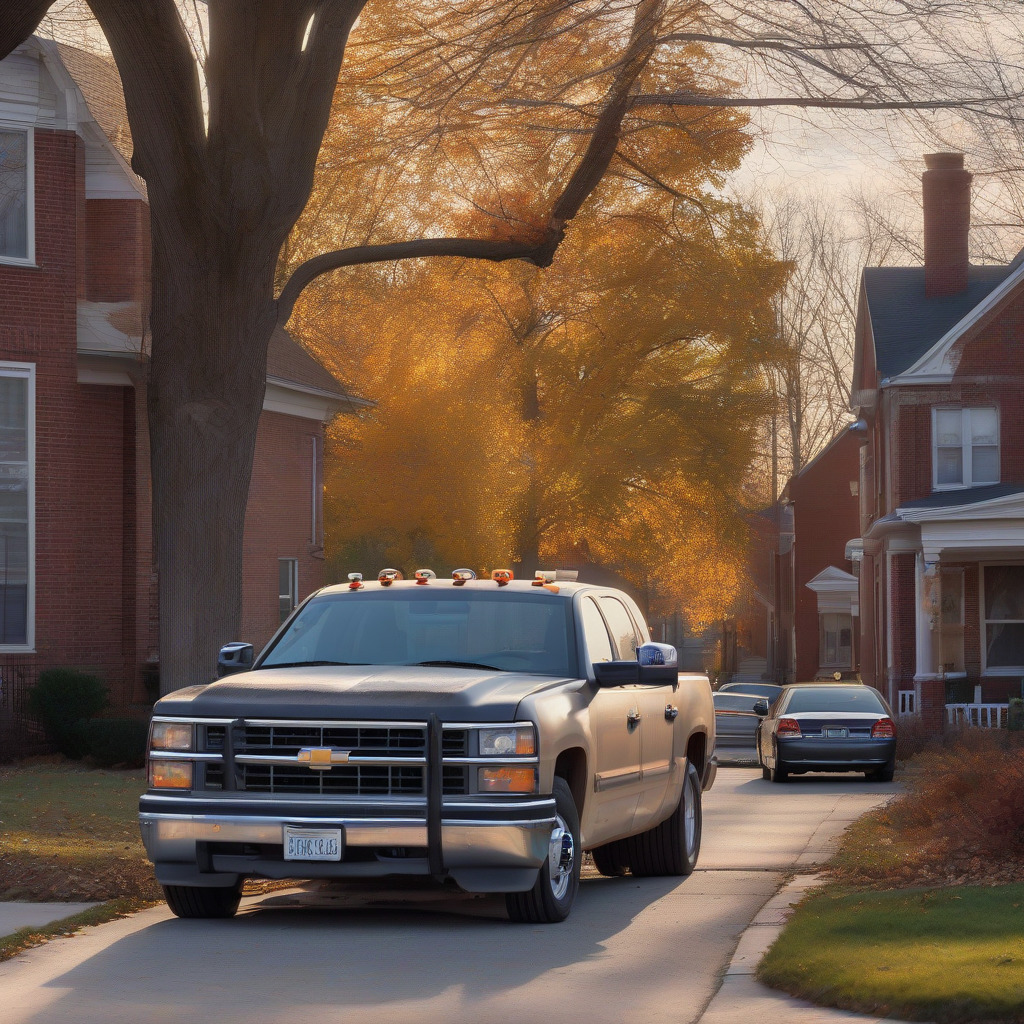
How Indianapolis Dealerships Handle New Car Wait Times in 2026
CityDesk called Indianapolis-area dealerships across six brands. Here's which lots have cars, which are still order-only, and where markups haven't died yet.

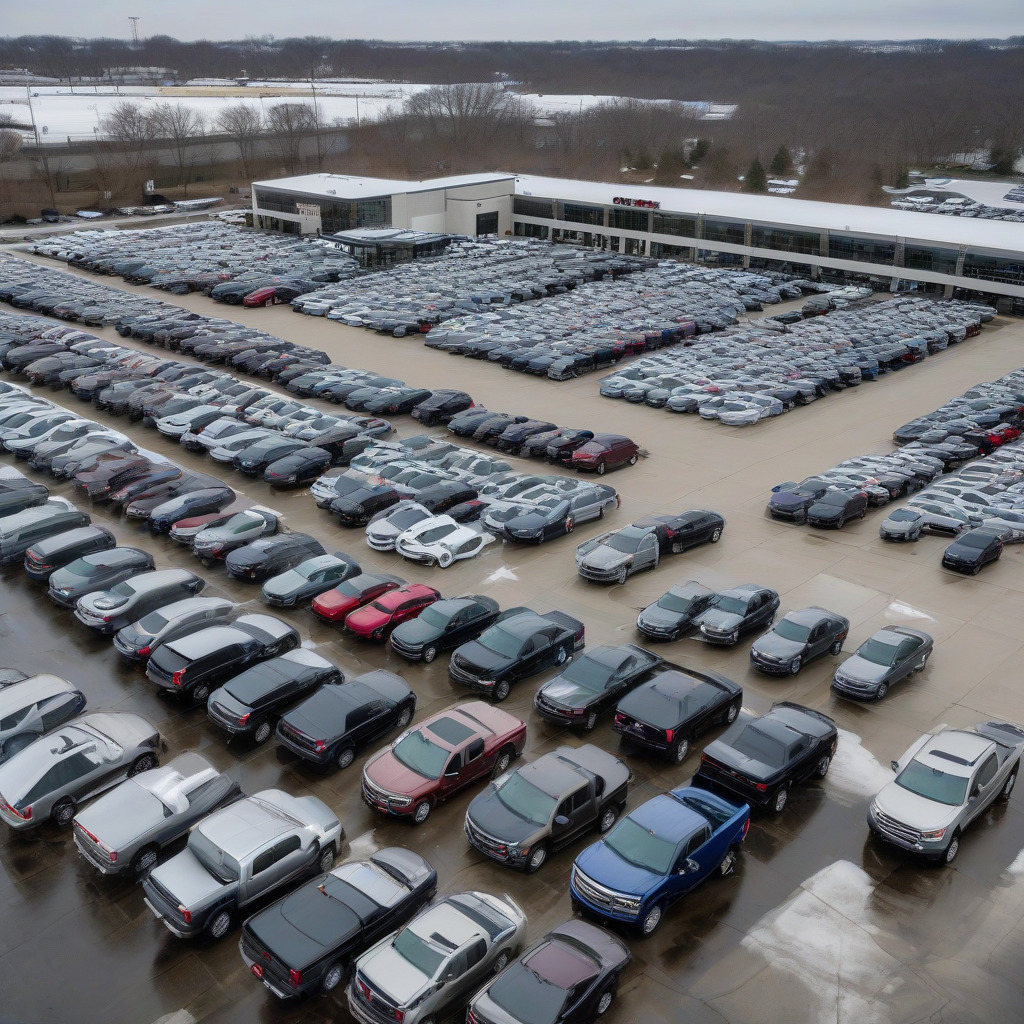
CityDesk called Indianapolis-area dealerships across six brands. Here’s which lots have cars, which are still order-only, and where markups haven’t died yet.
The short answer for buyers who want it fast: if you’re shopping for a mainstream Honda, Chevrolet, or Ford F-150, you can probably walk a lot this weekend and drive something home. If you want a RAV4 Hybrid, a new Tacoma, or an EV pickup, you’re placing an order and watching a calendar. That’s where Indianapolis car buying stands in 2026, based on direct calls CityDesk made to area dealerships this month.
National inventory has broadly recovered since the worst of the pandemic shortage. But “broadly recovered” is doing a lot of heavy lifting. The recovery is brand-specific, model-specific, and in some cases trim-and-color-specific. For a buyer writing a check north of $45,000, the difference between a car sitting on a Greenwood lot and a factory order with a sixteen-week queue isn’t a minor inconvenience — it means thousands of dollars in either direction and potentially a vehicle that no longer suits your situation by the time it arrives.
This piece is based on calls to named Indianapolis dealerships, not on national sales data or manufacturer press releases. Where dealers gave us specific numbers, we’re reporting them. Where they deflected, we report that too.
The Indianapolis Dealer Map
The major corridors are US-31 running south through Greenwood, Michigan Road on the northwest side, and the Avon/Plainfield stretch out US-36 to the west. The northern suburbs — Noblesville, Fishers, Carmel — have their own cluster.
The market is heavily consolidated. Andy Mohr Automotive operates Ford, Chevrolet, Honda, Toyota, Buick/GMC, and Volkswagen stores across Avon, Fishers, Plainfield, and Bloomington. Tom Wood Automotive runs Lexus, Audi, Subaru, Porsche, Volkswagen, and Acura franchises out of Carmel and Indianapolis. Ray Skillman Auto Group covers Chevrolet, Buick/GMC, Kia, Mazda, Ford, and Hyundai across the south and west sides. Dreyer & Reinbold handles BMW, MINI, Honda, Chevrolet, and GMC on the north side. Hare Chevrolet operates in Noblesville as a high-volume single-point store — no group, no shared pricing desk, just one store competing on its own.
One fixed constraint every Indianapolis buyer should know: Indiana’s franchise dealer law does not allow factory-direct sales, and the state hasn’t granted EV exemptions. Tesla operates under its own separate retail structure. For every other brand, the franchised dealer is your only option.
On taxes and fees: Indiana imposes a 7% flat sales tax on vehicle purchases and caps dealer documentation fees at $175. Build those into any out-the-door calculation before you sit across from a finance manager.
Who Has Cars on the Lot
Toyota has normalized on volume models. Andy Mohr Toyota in Avon confirmed solid in-stock inventory on mainstream trims, including the 4Runner — which has historically been tight. Ask about the RAV4 Hybrid or RAV4 Prime, though, and the tone shifts immediately. No unit available for same-week delivery. Hadn’t surprised anyone who’d been following this market for four years, but worth confirming that it’s still true.
Honda’s gas lineup is accessible. Andy Mohr Honda in Avon confirmed availability on the Accord and Civic. The CR-V in standard hybrid trim was described as “available but moving fast” — dealer language for stock that turns before it ages. The CR-V Hybrid isn’t as constrained as the RAV4 Hybrid, but buyers who need a specific interior color or feature package shouldn’t count on walking in and finding it. Dreyer & Reinbold Honda on the north side reported similar conditions.
Ford trucks split cleanly. Andy Mohr Ford was straightforward on the F-150: trucks on the lot, multiple cab and bed configurations, traditional powertrains generally available. The F-150 Lightning is a different vehicle in a different market. EV truck allocation to Indiana Ford stores has been uneven, and buyers seeking an Extended Range battery configuration should expect to either order or request a dealer trade. On the Bronco, base and Black Diamond trims have improved availability. Wildtrak and Badlands in specific color and option combinations remain tight — particularly softtop configurations in darker exterior colors, which carry strong resale appeal and move when they land.
Chevrolet and GMC domestic trucks are moving. Ray Skillman Chevrolet in Greenwood and Hare Chevrolet in Noblesville both confirmed healthy in-stock Silverado 1500 inventory in gas configurations. The Silverado EV is a different situation entirely. Hare was candid that EV truck allocation has been limited, and buyers interested in the Silverado EV or Sierra EV at nearby Ray Skillman Buick GMC should expect a structured order process. On the Equinox EV, Ray Skillman confirmed stock arriving in the market but described availability as inconsistent — units appear in the system and sell before establishing a stable lot presence.
Stellantis has recovered significantly. Ray Skillman Dodge Chrysler Jeep Ram in Greenwood confirmed solid inventory on the Ram 1500 in popular configurations. The Wrangler, which was a mess in 2022 and 2023, has normalized on most trims — the exception is certain 4xe plug-in hybrid configurations that continue to trickle in on allocation. Grand Cherokee, including the L variant, is generally in stock.
Luxury is tiered and honest about it. Dreyer & Reinbold BMW confirmed available 3 and 5 Series inventory and said the gasoline sedan market has returned to pre-shortage conditions. The iX electric SUV is order-and-wait, with lead times running eight to fourteen weeks depending on how complex the build is. Tom Wood Porsche in Carmel confirmed Cayenne availability at conventional trim levels. Taycan variants — particularly the Sport Turismo wagon — are on order allocation with waits that can stretch past four months. Tom Wood said that plainly, without being asked twice. That kind of directness is worth something.
What’s Still Backlogged
The RAV4 Hybrid and RAV4 Prime remain the clearest persistent constraints in the Indianapolis Toyota market. This has been true since 2021. Both models are under allocation at Indiana Toyota stores. When CityDesk called and named these vehicles specifically, the store described a queue process. Estimated windows quoted ranged from ten to twenty weeks for a factory order depending on trim, with the Prime carrying the longer typical wait. If you’ve been holding out thinking the shortage would break by now, it hasn’t. Stop waiting.
The new Tacoma is tracking the way redesigned models often do in their launch year: allocation tight, demand high. Andy Mohr Toyota indicated that buyers interested in TRD Off-Road or TRD Pro trims should plan to order rather than shop the lot. Quoted lead time was twelve to eighteen weeks, assuming the buyer’s configuration exists in the production queue and doesn’t shift backward due to supply adjustments. That last caveat is real — ask any Toyota buyer who ordered in 2022.
The Bronco has improved overall, but specific combinations are still dealer-order situations. If you’re flexible on color and don’t need a specific package, a dealer trade from a Columbus or Cincinnati store could close the gap quickly — Andy Mohr Ford said as much. If you want a Wildtrak in Shadow Black with the Sasquatch package, a factory order is probably the cleaner path, and the quoted lead time was fourteen to sixteen weeks under normal factory scheduling.
EV trucks across the board are still operating on constrained allocation. Silverado EV, Sierra EV, F-150 Lightning Extended Range — none are walkable lot vehicles in Indianapolis in 2026. Allocation windows shift, and availability varies significantly between stores even within the same dealer group.
ADM in 2026
Above-market dealer markup — ADM — hasn’t disappeared. It has contracted sharply from the 2021–2022 peak, when RAV4 Hybrids at Indianapolis Toyota stores routinely carried $3,000 to $10,000 or more in documented markup. That era is worth remembering the next time a dealer acts like markups were a foreign concept invented by someone else.
On the RAV4 Hybrid and RAV4 Prime, dealers were reluctant to answer the markup question directly on a first call. That reluctance is itself information. When pressed, one Toyota store acknowledged a “market adjustment” of around $1,500 on RAV4 Prime orders. The other indicated they weren’t adding markup to factory orders but also had essentially zero in-stock units — which makes the MSRP-versus-premium question academic. You pay the order price or you don’t get the car.
For most other brands, the markup era appears to be over. Both Chevrolet stores confirmed Silverado 1500 gas models selling at or below MSRP, with manufacturer incentives active. Andy Mohr Ford confirmed factory rebates on the F-150 gas lineup. The Ram 1500 market is similarly competitive, with dealer cash and subvented financing available through Stellantis. These are real discounts — not dressed-up nothing.
The luxury picture is mixed. Dreyer & Reinbold confirmed no markup on in-stock BMW 3 and 5 Series units and mentioned manufacturer support on certified pre-owned alongside new. On the iX, the store didn’t quote a markup on orders but was noncommittal about out-the-door pricing in a way buyers should read carefully before placing a deposit. A noncommittal answer on a pre-order markup means “ask us later,” not “it won’t happen.”
The structural reality for 2026: ADM is model-specific. On anything sitting on a lot, negotiating power is with the buyer. On anything requiring an order and a wait, the seller still holds real pricing leverage. For context on how EV-specific state programs interact with these prices, our Indiana EV incentives coverage for Indianapolis buyers breaks down what’s actually stackable in 2026.
Factory Order, Dealer Trade, or Take What’s There
If the car you want is on a lot, buy it. The negotiating environment in 2026 Indianapolis is buyer-favorable on anything with genuine lot presence. Dealers carrying aged inventory on domestic trucks, mainstream import sedans, and non-hybrid SUVs are motivated. End-of-month pressure is real.
If the car you want is regionally scarce but not nationally rare, ask for a dealer trade first. This is the underused move. Indianapolis dealers can and do execute trades with stores in Columbus, Cincinnati, Chicago, and Louisville. Before you place a four-month factory order, ask specifically: “Can you trade for this trim with a store in Columbus?” The answer tells you whether the scarcity is real or a local allocation quirk. Buyers who know to ask this question consistently do better than buyers who sit on waitlists for four months.
If the model is genuinely undersupplied nationally — the RAV4 Hybrid, the RAV4 Prime, the TRD Pro Tacoma — a factory order is the right move, but go in with clear eyes. Ask explicitly whether pricing is locked at order time. Ask whether the deposit is refundable. Ask for a specific lead time by trim and color, not a range. The dealers CityDesk spoke to tended to quote ranges that skewed optimistic. That’s not a knock — it’s just a pattern worth knowing before you sign anything.
Timing matters. Indianapolis dealers see their lightest floor traffic in January and February, and buyer leverage in Q1 is measurably higher than in spring. August through October is the authentic clearance window for domestic brands. Model-year-end units accumulate, manufacturer incentives stack, and dealers competing in a market that runs below the national average transaction price are genuinely motivated to close. Plan around that window if you can.
What Dealer Consolidation Actually Does to Your Negotiation
Most buyers don’t think about this. The Indianapolis new-car market is no longer a collection of independent franchise points. Andy Mohr, Tom Wood, Ray Skillman, and Dreyer & Reinbold have absorbed much of what used to be single-point independent stores.
Here’s the practical problem: when three independent Honda dealers compete, you can walk one, present a competing offer from another, and the first dealer has an immediate reason to respond. When multiple stores share group ownership, that dynamic changes. Group pricing desks see cross-store inventory and won’t necessarily match a number that undercuts their own other locations. The competitive pressure that used to flow between dealers is now partially absorbed within the group structure. It’s not a conspiracy — it’s just how consolidation works — but it does change what leverage you actually have.
The exception worth knowing: Hare Chevrolet in Noblesville is a single-point store. No group, no shared pricing desk. In any segment where Hare holds a franchise, they have genuine competitive pressure that the group stores don’t. Call them as part of your comparison shopping. That call is not wasted. For buyers who want more context on what Indianapolis used car buyers are actually facing alongside the new-car market this summer, that picture is worth understanding separately.
Five Questions to Ask Before You Drive to the Lot
Based on how Indianapolis dealers responded to CityDesk’s calls, these are the questions that separate a useful conversation from a wasted trip.
1. Is this specific vehicle physically at your location right now, or is it in transit?
“In transit” can mean two days or three weeks. Dealers frequently describe incoming units as available. Ask where the vehicle is right now and when it’s scheduled to arrive at the dealership.
2. Does this vehicle carry any market adjustment or dealer add-ons above MSRP?
A straight answer: “No, this unit is priced at MSRP.” A deflection: “We can talk about all of that when you come in.” Don’t make the drive without a straight answer. Evasion usually means yes.
3. If you don’t have this trim in stock, can you execute a dealer trade — and with which stores specifically?
The dealer who says “we can check with our network” is telling you less than the dealer who says “let me look at Columbus stores for that trim right now.” Stores that rattle off specific trade locations do trades regularly. The vague answer usually means they don’t.
4. If I place a factory order, what is the actual current lead time for this trim and color, and is the deposit refundable?
Ask by trim and color. Different configurations carry different build-queue positions. A refundable deposit is non-negotiable on a factory order. If a dealer resists refundability, that tells you something about their confidence in the lead time they just quoted you.
5. What manufacturer incentives are currently active, and are they reflected in the price you’ve quoted?
Factory rebates and subvented financing are sometimes stackable and sometimes mutually exclusive. A dealer is required to tell you which programs apply. Follow up directly: “Can I combine the factory rebate with the subvented financing, or do I have to choose?” A dealer who can’t answer that on the phone will not get clearer once you’re sitting at a desk.
The Indianapolis new-car market in 2026 is better than it was two years ago for most buyers on most vehicles. It’s also uneven enough that a prepared buyer and an unprepared one are still looking at thousands of dollars of difference on the same transaction. Make the calls before you make the drive.
Reporting for this piece included direct calls to Andy Mohr Toyota in Avon, Andy Mohr Honda in Avon, Andy Mohr Ford, Ray Skillman Chevrolet in Greenwood, Hare Chevrolet in Noblesville, Ray Skillman Buick GMC, Ray Skillman Dodge Chrysler Jeep Ram in Greenwood, Dreyer & Reinbold BMW, Dreyer & Reinbold Honda, and Tom Wood Porsche in Carmel. All inventory descriptions, wait-time estimates, and pricing characterizations reflect information provided during those calls and are subject to change. Verify current inventory and pricing directly with dealers before acting.
For more local coverage, explore our Automotive section.