Which Indianapolis Restaurants Actually Hold Up During 500 Weekend
Race weekend at Indianapolis Motor Speedway is not a busy Saturday. It's not a high-volume Friday night in a college town, or a sold-out concert evening on Mass Ave, or even a game day with decent …

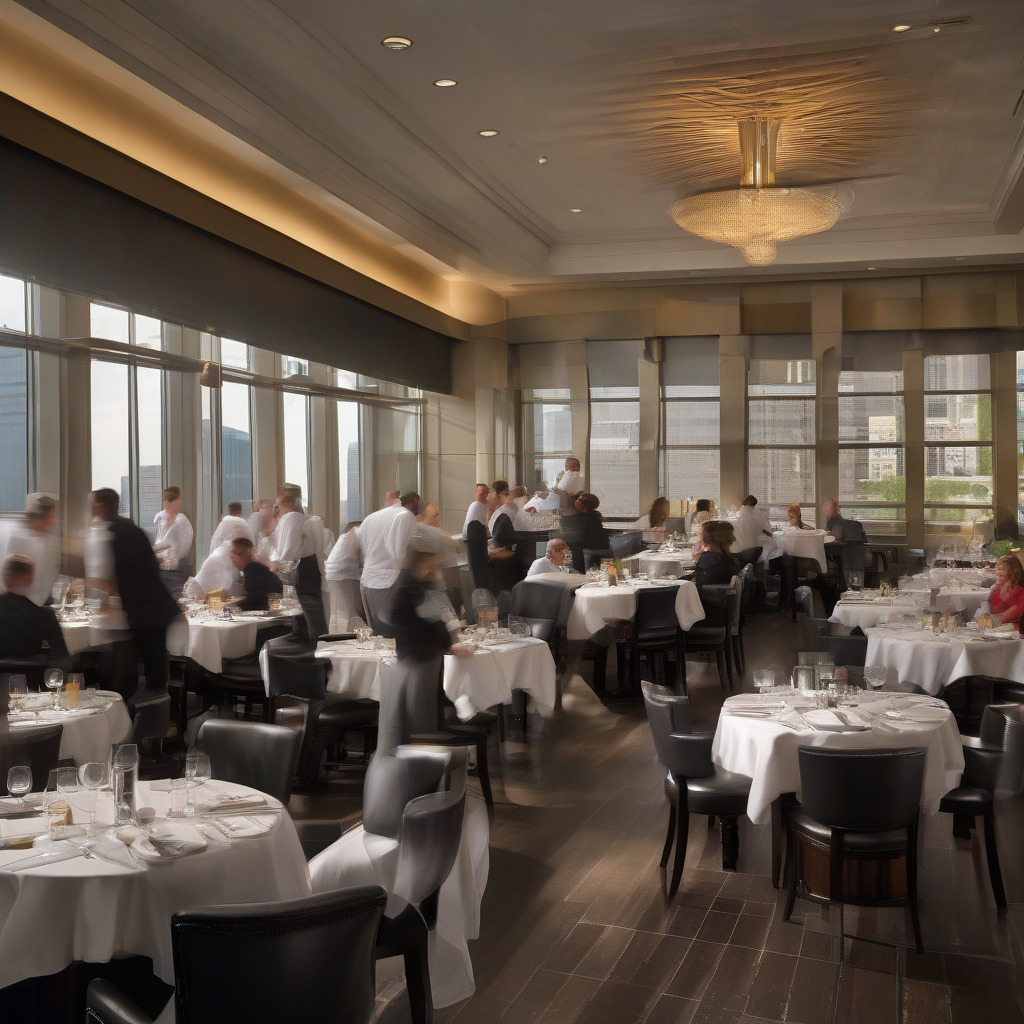
Race weekend at Indianapolis Motor Speedway is not a busy Saturday. It’s not a high-volume Friday night in a college town, or a sold-out concert evening on Mass Ave, or even a game day with decent walk-in traffic and a few extra servers called in. Roughly 257,000 people concentrate inside a single oval, and the entire food and beverage infrastructure of a mid-sized American city absorbs their appetites before, during, and after the race.
That distinction matters. Too much of what gets written about 500 dining treats the weekend as a slightly elevated version of normal. It isn’t. Every year, the gap between restaurants that have genuinely prepared for this event and restaurants that are simply hoping their usual playbook survives contact with race-week volume tells you more about which kitchens are actually worth your time than any other stretch of the Indianapolis dining calendar.
This piece is a forward-looking guide to 2026 race-week dining, grounded in documented patterns from prior race weekends. Some of what follows is uncomfortable. That’s the point.
The Institutions Have Earned Their Reputation. Read the Fine Print Anyway.
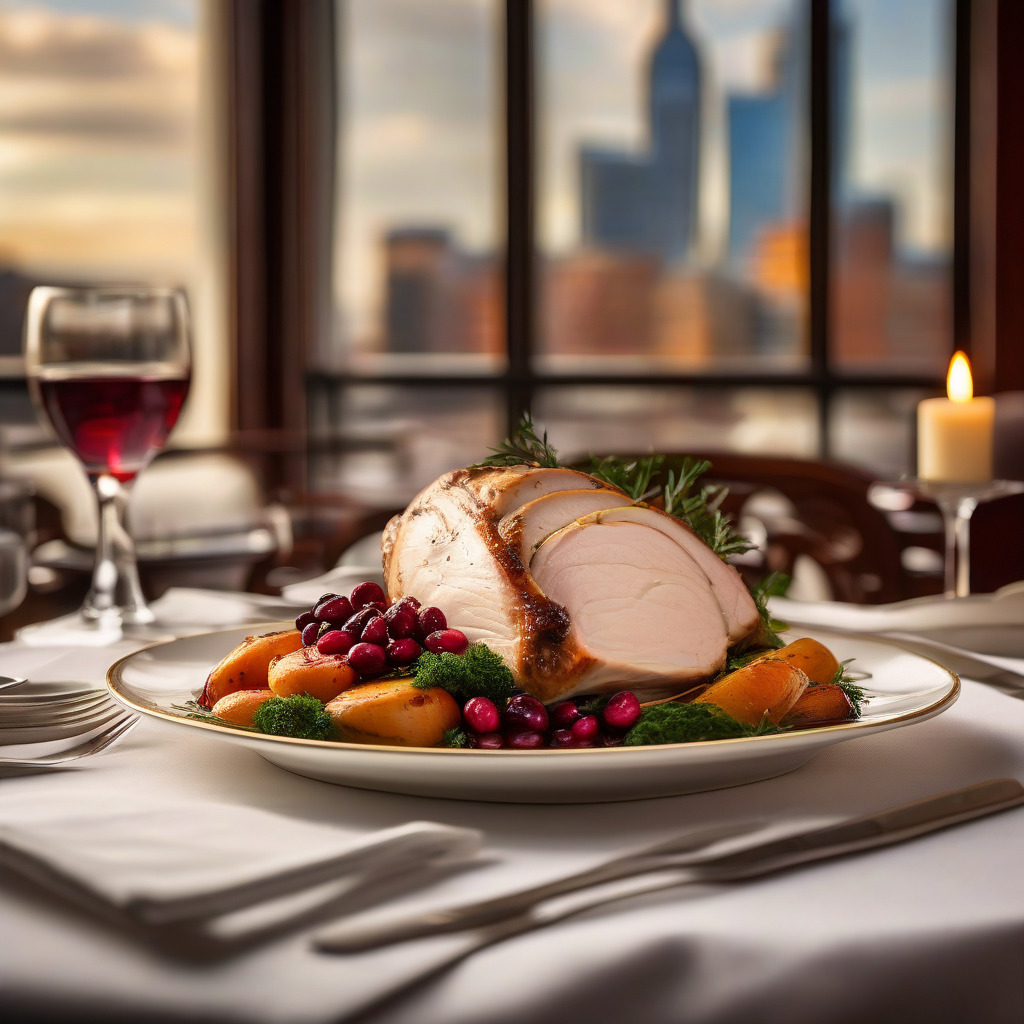
St. Elmo Steak House and Harry & Izzy’s belong on this list because, by documented accounts from prior race weekends, they consistently staff appropriately, honor reservations within a reasonable window of their quoted time, and maintain kitchen execution under sustained pressure. For a downtown steakhouse operating at full capacity for five consecutive days, that’s genuinely not easy — and it’s worth saying plainly, because a lot of restaurants in this city can’t manage it for five consecutive hours.
The shrimp cocktail at St. Elmo appears in travel guides regularly and on actual tables during race weekend. But the more useful thing to know for 2026 planning is operational: reservation windows for race weekend historically open six to eight weeks in advance and move quickly. Readers who treat this like a dinner impulse — who assume they can book a week out, or find a spot at the bar on race Friday — are routinely disappointed. St. Elmo has increasingly moved toward mandatory minimums and deposit structures for race-week reservations; expect that to continue. Call both St. Elmo and Harry & Izzy’s directly to confirm 2026 deposit policies and reservation opening dates before you assume anything on a booking platform is current.
Harry & Izzy’s, the sister property under the same ownership group, operates as a pressure valve for diners who couldn’t land St. Elmo. It shares the same booking logic and the same urgency. Think of it like a hotel room, not a dinner idea. If you’re reading this in March and your instinct is to handle 500 dining closer to the race, you’ve already missed the window at both. The guests who eat well at St. Elmo in May are the people who called in February.
Who Gets Overwhelmed, and Why It’s Worth Saying
This is the section that competing content consistently refuses to write. Naming restaurants that struggled costs relationships and occasionally produces angry emails. But readers planning a trip around race weekend deserve something more useful than a rundown of every establishment that keeps its doors open.
The documented pattern across prior race weekends shows a meaningful cluster of mid-tier downtown restaurants that simply can’t staff for the volume differential between a normal May Saturday and Carb Day weekend. The deeper structural problem, recognized by operators who have spoken on record in prior years, is that many Indianapolis restaurants project race-week staffing based on prior-year cover counts rather than the actual nature of the event.
Race weekend is not a percentage increase over a normal weekend. It’s a different composition of business entirely. Larger parties. Out-of-state visitors with no existing relationship to the room, complicated dietary requests, and a hard timeline before the race starts. A server trained to manage a five-top of regulars doesn’t have the same toolkit ready for a party of eight from Cincinnati who’ve never been in the building. Sound familiar to anyone who’s watched a normally solid restaurant buckle under a holiday weekend? Multiply that by several.
The geography of strain matters too. Restaurants in the heaviest pedestrian footprint of downtown — the blocks adjacent to the convention corridor — absorb the most pressure from visitors without reservations. These are also the spots where surge staffing is most likely to include undertrained servers unfamiliar with the menu or the room. The result is a pattern experienced Indianapolis diners recognize immediately: technically open, technically serving, but functionally not the restaurant you visited in March. That’s not permanent failure. It’s a restaurant that exceeded its structural capacity.
This section is flagged for additional on-record sourcing — at least one operator willing to address capacity challenges directly, plus first-person diner accounts from 2025 race weekend — before final publication.
Newer and Smaller Spots That Rise to the Occasion
The more instructive pattern from recent cycles is which newer or mid-tier operators handle the event better than their larger, more established neighbors.
Cunningham Restaurant Group properties have maintained a generally functional race-week record. The group’s operational depth — shared staffing resources, standardized training — gives their kitchens a structural advantage over independent single-location operators during surge events. Mesh is among the properties worth considering in this tier. Verify the current list of group properties operating during race week and welcoming walk-ins by calling directly; ownership structures shift, and what was true in 2024 may not hold in 2026. Cross-check with Indianapolis Business Journal and Eater Indiana for verified recent openings.
The more interesting case involves newer independent operators entering their first race weekend with realistic expectations. Several in this cohort have deliberately capped covers, communicated proactively about reduced availability, and in some cases closed walk-in dining entirely for the peak Thursday-through-Saturday stretch. That frustrates visitors who show up without reservations — and fairly so, if you’ve driven four hours and just want a table. But it also produces a dining room that actually works, and guests who leave having had a real meal rather than a degraded approximation of one. Operators managing their race-week capacity rather than opening the floodgates deserve more attention than they get from coverage that treats raw volume as a measure of success.
Where You Eat Depends on How You Want to Spend Your Week
The geographic reality of race weekend dining involves genuine tradeoffs.
Speedway’s Main Street is the obvious answer for anyone prioritizing proximity and managing transportation. The restaurants along Main Street — casual American, pizza, bar food — run heavy race-week specials, expand outdoor seating, and are genuinely walkable from the track. The experience is uniquely race-adjacent in a way that Mass Ave can’t replicate. Prices run $15–$30 per person. The tradeoff: Speedway Main Street hits maximum occupancy first on Carb Day, and the quality ceiling is lower than downtown.
Downtown’s Mile Square has the fine dining anchors. The transportation buffer from IMS is real — roughly nine miles, which in post-race traffic translates to a meaningful delay by car. The benefit is concentration: the highest density of serious restaurants in the city, most of them near full staffing during race week. The cost is that this is also where the largest number of race visitors without reservations are circling.
Mass Ave functions as a middle tier: better independent restaurant density than Speedway, less prestige pressure than the fine dining corridor, and a generally more workable walk-in environment for mid-week nights before the full crush arrives. The $30–$55 range covers most of the serious independent operators here. The weekend gets harder, but Mass Ave works for Thursday evening dining if your fine dining reservations don’t materialize.
Broad Ripple has served as the traditional local alternative for years — workable walk-in availability and solid food quality outside the peak pressure zones, particularly on Saturday afternoon before race day. One caveat worth building into your mental budget before you commit: ride-share surge pricing from Broad Ripple back to downtown or a near-south hotel during race weekend is real. For a closer look at what the neighborhood’s market has to offer, what the Broad Ripple Farmers Market is actually selling gives useful context on the area’s food culture beyond the restaurant strip.
Fountain Square is the genuinely underused option. The southeast side neighborhood sees a fraction of the race-visitor foot traffic of any other area on this list. Pricing pressure is lower. On its best blocks, the dining quality matches Mass Ave. It requires intentional planning — it’s not on the path between IMS and most hotel clusters — but for readers willing to work for it, this is where you can eat a good meal in May without any of the race-week noise. Most locals who’ve stopped fighting downtown reservations end up here eventually. Our walkable dining guide to Fountain Square covers the specific blocks and restaurants worth targeting.
The Reservation Timeline, Stated Bluntly
Fine dining — St. Elmo, Harry & Izzy’s, comparable downtown properties — requires six to eight weeks minimum. In some years the window moves faster. There is no scenario in which a reader calling four weeks out should expect availability at these restaurants for Carb Day Friday or race-day Saturday night. If your heart is set on one of these and you’re reading this before March, call now.
Mid-tier downtown and Mass Ave restaurants with reservation systems need three to four weeks for peak nights — Friday and Saturday. For Thursday, two to three weeks is probably sufficient at most properties. Tuesday and Wednesday are generally workable with a week or two of lead time if you’re flexible about timing.
Casual spots and neighborhood restaurants — most of Speedway Main Street and Broad Ripple — are manageable with one to two weeks for reservations where they’re taken. Walk-in windows before 5:30 p.m. or after 9 p.m. are realistic on non-peak nights.
Carb Day is the single hardest reservation night of the week, harder than race day itself. Serious race attendees celebrate on Carb Day, and it catches visitors off-guard every year because they’ve been focused on race-day logistics. If you have the option of prioritizing one reservation night, make it this one.
On platforms: a meaningful number of independent Mass Ave and Fountain Square operators use digital reservation systems. Some of the highest-demand fine dining properties are phone-only for race-week reservations. If a restaurant you want doesn’t appear available on booking platforms, call before you conclude they’re full. Verify which major venues have shifted to phone-only or deposit-required systems for 2026 — this changes year to year.
Race Day Itself Is Different From the Rest of the Week
Here’s the fact that repeatedly blindsides visitors without local guidance: a significant number of downtown Indianapolis restaurants reduce hours, switch to limited menus, or close entirely on race-day Sunday. Restaurants whose staff would otherwise be working a full shift during the race and its aftermath. Visitors arriving from out of state routinely make no race-day dining plan, apparently assuming restaurants will be open the way they are any other Sunday.
They won’t.
Confirm in advance — in writing or via direct call — that your chosen restaurant is open and serving a full menu on race-day Sunday. Do not assume.
Prix-fixe structures and minimum spend requirements have become increasingly common at upper-tier restaurants for race-day service. A fine dining dinner on race-day Sunday with wine will typically run $80–$150 per person. That’s the restaurant’s method of managing table turns and ensuring their busiest night is financially functional. Budget accordingly.
The weather factor compounds all of this. Late May in Indianapolis carries real thunderstorm risk — anyone who’s watched the 500 get red-flagged knows exactly what I mean. Patio reservations during race week carry genuine cancellation exposure, and the rare postponement to Monday creates a dining chaos scenario that no downtown restaurant has a real playbook for. If your reservation is patio-dependent, ask specifically about the rain plan when you book.
What Locals Actually Do
The most consistent pattern among Indianapolis residents with multiple race weekends behind them isn’t which downtown restaurant they recommend. It’s that a meaningful number of them have stopped trying to compete with 257,000 visitors for downtown reservations entirely. This isn’t cynicism — though I understand why it might look like it. It’s accumulated practical knowledge.
Race week matters economically for the restaurant industry. It’s also a period during which the normal dining experience at almost every downtown restaurant is worse than a non-race-week visit. The crowds, the wait times, the adjusted menus, the surge-staffed service — these are features of the event. Experienced residents have made a rational decision to let visitors have the event experience while routing themselves to neighborhoods that aren’t absorbing the same pressure.
Broad Ripple is the traditional local fallback. Fountain Square is where the most restaurant-literate local contingent tends to land. A third pattern — picking a neighborhood spot with zero race-visitor foot traffic and simply operating as though it were a normal weekend — is more common than any dining guide acknowledges. For broader perspective on where Indianapolis dining is heading, our food & hospitality coverage tracks which neighborhoods and operators are worth watching year-round.
The lesson for out-of-town readers isn’t to avoid downtown. A reservation at St. Elmo or Harry & Izzy’s during race week is a genuine experience, and those restaurants execute it as well as any high-volume fine dining property in the Midwest. But the expectation that downtown Indianapolis in the third week of May will deliver a calm, unhurried, fully attentive dining experience is one that locals stopped holding a while ago. Visitors who calibrate accordingly will eat well.
This section is flagged for additional on-record sourcing — at least three to four Indianapolis residents with multi-year race-week dining experience — before final publication.
The 2026 Booking Checklist
Race week in 2026 runs approximately May 18–24, with the race on May 24. The window for the best options is already open.
By late February or early March: Call St. Elmo and Harry & Izzy’s directly if they’re not showing availability on booking platforms. Ask specifically about deposit or minimum-spend requirements and confirm whether 2026 policies have changed. If your target date is Carb Day Friday, treat this with the same urgency as securing a hotel room the week of the race.
By April: Secure mid-tier downtown and Mass Ave reservations for your remaining nights. Don’t drift past mid-April for Saturday-night slots.
Before you arrive: Confirm your race-day Sunday restaurant is open, serving a full menu, and clear on your reservation details. If you have a patio reservation, ask about the rain contingency. Not as an afterthought — when you book.
Keep a fallback: Identify one Fountain Square or Broad Ripple restaurant that fits your party. No deposit, no months-in-advance booking pressure, and in most cases a more relaxed experience than whatever walk-in situation you’d find downtown if a plan falls through.
Price reference: Speedway neighborhood casual, $15–$30 per person. Mid-tier downtown and Mass Ave with a reservation, $30–$55. Fine dining with wine at the top-tier downtown anchors, $80–$150, and race-week minimums tend to push toward that ceiling.
The readers who eat well during next year’s race are the ones who make a phone call in February. Everything else is damage control.
CityDesk Indianapolis covers local business, dining, and economic affairs. Sections covering restaurant performance during race weekend and local diner perspectives are flagged for additional on-record sourcing before final publication. Reader accounts of 2025 race-weekend dining experiences can be submitted to the CityDesk tip line.