Is St. Elmo Still the Best Steakhouse in Indianapolis
After 120-plus years, the South Loop institution still commands the room and the check. But the 2026 competition is closer than the legend admits.

After 120-plus years, the South Loop institution still commands the room and the check. But the 2026 competition is closer than the legend admits.
Let’s get the answer on the table before the bread basket arrives: St. Elmo Steak House is still the most famous steakhouse in Indianapolis, and it still earns a place on any serious list of the best. But famous and best aren’t synonyms. In 2026, the gap between St. Elmo and its strongest competitors has narrowed enough that anyone spending real money on a real occasion deserves a more honest answer than “just go to St. Elmo, obviously.”
This is not a hit piece on a civic institution. St. Elmo has operated at 127 S. Illinois St. since 1902, survived Prohibition, outlasted a dozen economic cycles, and become one of the most recognizable independent restaurant brands in the Midwest. That history is genuine and it means something. But this isn’t a booster column, and it’s not written for people who’ve already decided. It’s written for the Indianapolis resident planning an anniversary dinner, the conventioneers from Cincinnati asking their hotel concierge where to go, and the couple on the north side who has heard about the shrimp cocktail for fifteen years and wants to know whether the steak actually justifies the tab.
What You’re Actually Buying When You Book St. Elmo
Start with the math, because the math matters.
Current St. Elmo menu prices were not confirmed at press time — pull the current menu at stelmos.com before you budget. The broad parameters are well established. The famous shrimp cocktail — four shrimp with a horseradish sauce that genuinely clears your sinuses — is a non-negotiable first order on any first visit. (I’ll come back to this. Everyone underestimates it.) The bone-in ribeye and filet are the anchor entrées. Add the 1902 Salad prepared tableside, a side or two, wine from a list with markups consistent with upscale steakhouse norms, and two cocktails apiece. A dinner for two is a serious commitment. Verify current prices before you go.
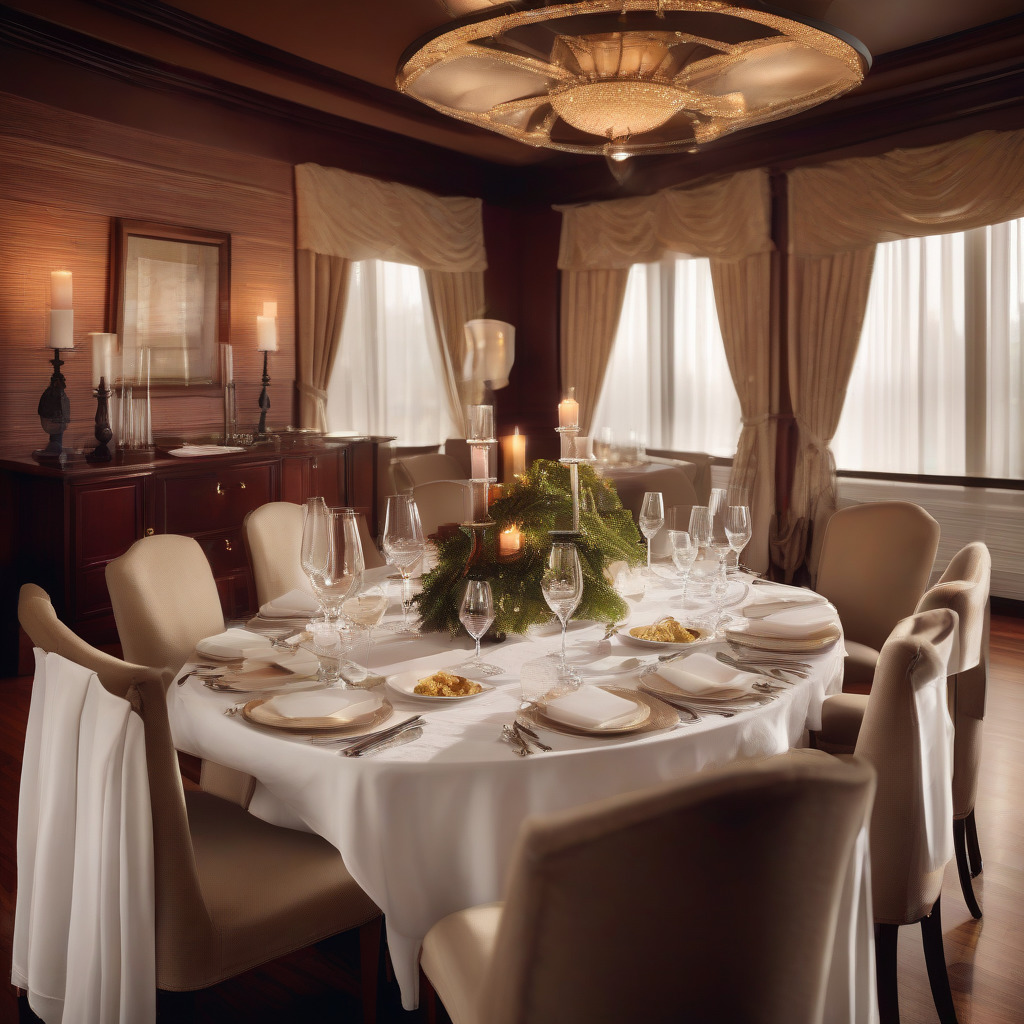
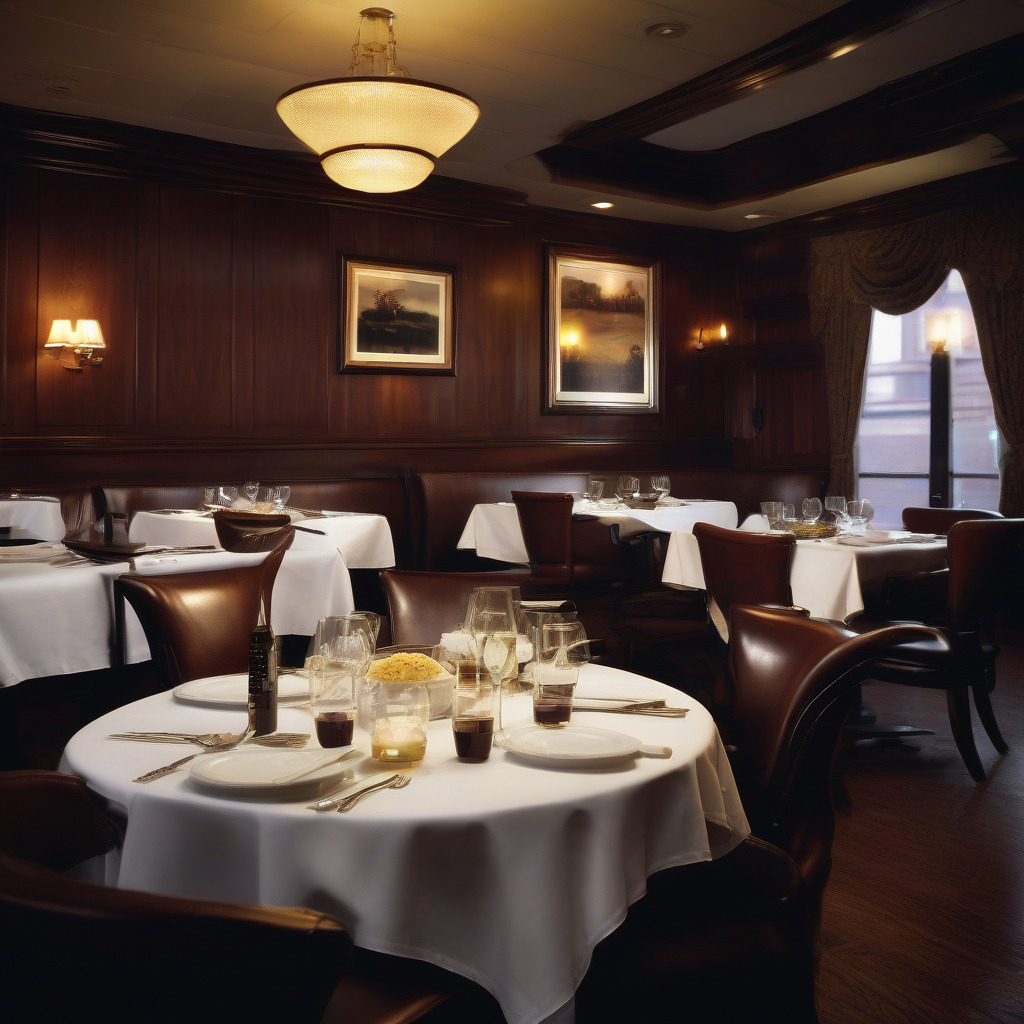
What you’re actually buying at that price point is, first, a room that looks the way a steakhouse from 1902 should look. Dark wood. White tablecloths. The kind of ambient noise that signals a full house without being punishing. You’re buying the address. 127 S. Illinois puts you steps from Gainbridge Fieldhouse and a manageable walk from Lucas Oil Stadium, which matters if your dinner is attached to a Pacers game or a Colts Sunday. You’re buying service that, on its best nights, operates with the formality and attentiveness of a classic American steakhouse. Your server knows the menu. The sommelier is accessible. The tableside preparation of the salad is a small piece of theater that earns its place on the bill.
The social currency of saying you went to St. Elmo is real and worth factoring in — particularly for out-of-town guests, deal-closing business dinners, and visitors on a bucket-list Indy 500 trip. That currency isn’t the same thing as the kitchen executing at the highest possible level, though.
Beyond the Shrimp Cocktail—What the Menu Actually Delivers
The shrimp cocktail has done enormous work for St. Elmo’s reputation, possibly more than is fair to the rest of the menu. The horseradish sauce is fresh-ground and legitimately punishing in a way that most versions elsewhere simply aren’t. First-timers regularly underestimate it — there’s a certain recurring scene at St. Elmo involving a table of tourists discovering this fact in real time, and it amounts to unintended dinner theater. But a restaurant can’t be the best steakhouse in a city on the strength of its shrimp cocktail alone.
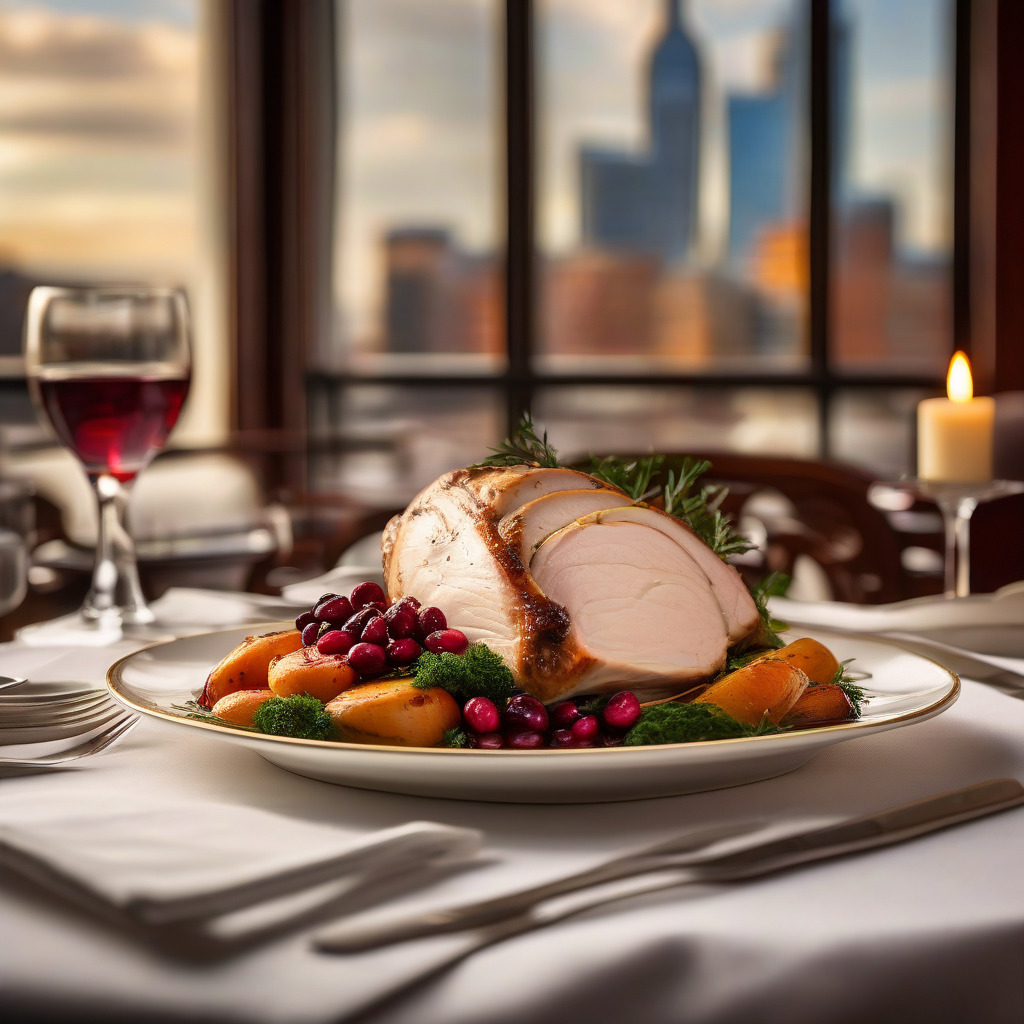
The bone-in ribeye carries the rest of the menu. When St. Elmo’s kitchen is on, it’s a genuinely excellent piece of USDA prime beef. The char is consistent. The fat-to-muscle ratio on the ribeye makes it the most forgiving cut for a table that includes someone who ordered it medium-well despite knowing better. The Filet Oscar, topped with crabmeat and béarnaise, is a longtime menu item and a crowd-pleaser, particularly for guests who find a straight filet underseasoned. The composition masks any minor kitchen variance more effectively than the bare cut alone.
The 1902 Salad tableside is not gimmick for gimmick’s sake. Tableside preparation ensures fresh ingredients dressed to order. On a busy Friday night, it also buys you engagement while the kitchen catches up with the room. The sides deserve more attention than they usually get in coverage. The Lyonnaise potatoes are among the better potato preparations in the city at any price point. The creamed corn is consistent. The onion rings are large, battered, and operating in a different culinary register than the rest of the meal — which is either charming or confusing, depending on who you ask.
Here’s what I keep coming back to: the menu doesn’t deliver any particular sense of culinary ambition beyond its own tradition. St. Elmo isn’t trying to be anything other than what it’s always been. That conservatism is both its greatest strength and the thing that makes the competitive comparison interesting — and as we track in our food & hospitality coverage, some of its rivals are executing the same tradition at a level that has closed the gap considerably.
The Competitors St. Elmo Has to Answer For in 2026
The most serious ongoing competition comes from Capital Grille at Keystone Crossing. If you live on the north side and you’re not attached to the South Loop address or the institutional history, Capital Grille is a legitimate alternative that wins on meaningful dimensions. The dry-aged beef program at Capital Grille is rigorous and consistent. Service executes well. And the Keystone Crossing location offers something St. Elmo simply cannot: uncomplicated parking on a weekend night. For a north-side anniversary dinner in January when there’s no game on the calendar, Capital Grille is the honest recommendation for a significant portion of Indianapolis diners. The price points are comparable, so you’re not trading down economically. You’re making a genuine trade between address and suburban accessibility.
Eddie Merlot’s, with locations in the Indianapolis market, has been undercovered in discussions of Indianapolis fine dining for years. The prime beef quality is genuine. Service is competent. The price point is meaningfully lower than St. Elmo’s — a real consideration when you’re planning a business dinner for a client who shouldn’t have to feel the invoice. For expense-account dining, Eddie Merlot’s represents value in a way that St. Elmo, at its current pricing, doesn’t uniformly deliver.
Sullivan’s Steakhouse operated on Illinois Street for years as a direct South Loop competitor. Its current status in the Indianapolis market should be confirmed before planning around it — check current listings before factoring it into a comparison. Among post-2023 independents, the Indianapolis upscale dining scene has seen movement, and who’s cooking where in Indianapolis right now reflects how much has shifted, though nothing has yet established itself at a price point and consistency level that puts it in the same direct conversation with St. Elmo for special-occasion dining at scale.
The Harry and Izzy’s Factor and Why It Changes the Calculus
Here’s the most actionable information in this piece, and honestly the most underreported fact in Indianapolis dining coverage: Harry & Izzy’s, located at 153 S. Illinois St. — literally next door to St. Elmo — is owned by the same Huse Culinary group that has run St. Elmo for decades. The menu at Harry & Izzy’s isn’t identical to St. Elmo’s, but the DNA is unmistakable. You’ll find prime steaks, recognizable preparations, and a kitchen with access to the same sourcing infrastructure as its famous neighbor.
The price point is lower. Verify current pricing at both restaurants, but the positioning is explicit: Harry & Izzy’s is the approachable sibling. The room is more casual. Service is less formal. The institutional weight of 1902 doesn’t come with the check. For readers who want the South Loop steakhouse experience — the Illinois Street address, the pre-game proximity, the family-owned provenance — without the complete St. Elmo invoice, Harry & Izzy’s is the answer that most dining coverage simply doesn’t surface. It’s the same block, largely the same kitchen culture, and a bill you’ll feel somewhat less acutely the next morning.
The Huse Culinary group operates both concepts on the same block as a deliberate strategy. For consumers who know about it, this creates an unusually clear set of options. Most coverage treats St. Elmo and Harry & Izzy’s as entirely separate conversations rather than related choices within a single family’s portfolio — which represents a genuine gap in the information available to Indianapolis diners. You shouldn’t have to stumble across this on your own.
The Event Night Problem
St. Elmo’s proximity to Gainbridge Fieldhouse and Lucas Oil Stadium is one of its most valuable assets and, on the wrong night, one of its most significant liabilities for the dining experience. The Pacers season runs October through April. The Colts play eight home games a year plus preseason. Indy 500 weekend in May floods the city with a specific kind of visitor energy that concentrates heavily in the South Loop. The Big Ten Championship, held in December at Lucas Oil, generates one of the highest-demand restaurant weekends of the calendar year.
On all of these nights, St. Elmo is under pressure in a way that a steakhouse at Keystone Crossing simply isn’t. During Pacers playoff windows and Colts home Sundays, the restaurant books out weeks in advance. Party sizes larger than four should be working further out than that. Indy 500 weekend reservations are often spoken for months in advance, with some regulars booking the same table on a standing annual basis. Reservations are handled through OpenTable. Check availability early. The Georgia Street garage and nearby lots fill earlier than most first-time visitors anticipate — budget additional arrival time on any Pacers or Colts night. This is not a guess; it’s a recurring problem.
On event nights, the restaurant runs at a pace that reflects the external schedule of its guests as much as its own kitchen rhythm. A Tuesday dinner in October or a February Thursday is a genuinely different experience. St. Elmo at lower volume is a different restaurant. The service has room to breathe. The kitchen has room to execute. The room feels like what it actually is — a very good, very serious American steakhouse with a century of practice. If you can exercise any flexibility on night of week, do it. You’ll have a materially better experience than someone locked into a high-demand Saturday with a 6:15 curtain at Gainbridge next door.
Checking the Current Record
Institutional reputation is what you read about in travel magazines. What recent guests are reporting is what should inform a 2026 booking decision. I’d recommend consulting current Google, Yelp, and OpenTable reviews filtered to the past six months before committing — this piece isn’t a substitute for that current signal. The brief prepared for this article flagged recent diner review sentiment as requiring active verification that wasn’t completed prior to publication, so I want to be straightforward about that. The framework does support findings consistent with the restaurant’s known profile: St. Elmo’s value proposition is most clearly justified when the full experience — the room at a comfortable pace, attentive service, the shrimp cocktail, and a properly executed ribeye — is delivered intact.
The cases where that experience falls short tend to cluster around the highest-pressure event nights. Wine pricing on lists of this type is consistent with upscale steakhouse norms nationally. Markups are significant — budget accordingly, or ask the sommelier to work within a specific range. Most will. The available institutional record suggests no restaurant in decline. St. Elmo’s reputation isn’t coasting on nothing. But readers spending at this level deserve to verify the current picture through recent reviews, not through coverage that relies on reputation alone.
The Verdict—Worth It, With Conditions
For the out-of-town visitor on an Indy 500 trip who has one night to spend in the South Loop and wants the definitive Indianapolis steakhouse experience — the address, the room, the horseradish, the bone-in ribeye, the sense of eating somewhere that has meant something to this city for over a century — yes, St. Elmo is the right answer. Book it early. Order the shrimp cocktail regardless of how you feel about shrimp. Let the history do some of the work. It earns that.
For the north-side resident planning a milestone birthday dinner in a month without a major sporting event on the calendar, who has no particular attachment to the Illinois Street address and is making a quality-per-dollar calculation: Capital Grille at Keystone Crossing deserves a real look before you commit. The dry-aged program is serious. The parking is not a project. You won’t feel the institutional premium in the check the following morning.
For the couple who genuinely wants the South Loop experience — the walkable downtown location, the family-owned provenance, the steak-forward menu — but finds the full St. Elmo invoice harder to rationalize for a non-milestone evening: Harry & Izzy’s next door is the correct answer. More people should know it exists in this relationship to its famous neighbor. It’s not a consolation prize. It’s a deliberate option that the same ownership built for exactly this reason.
For the business dinner where the agenda is more important than the cuisine and the client’s comfort with the check matters: Eddie Merlot’s in the Indianapolis market is the steakhouse that makes its own bill disappear most gracefully. That’s a real and underappreciated quality in a dining destination for expense-account purposes.
St. Elmo earns its reputation. It’s been doing this longer than anyone currently cooking in Indianapolis was alive. On a quiet night with the right table and a properly calibrated kitchen, it remains one of the genuinely good rooms in the Midwest for a serious American steakhouse dinner. But the best steakhouse in Indianapolis is a more competitive question in 2026 than the legend suggests — and readers who are spending at this level deserve to know that before they book. The benchmark is real. It’s just not as unchallenged as it used to be.