What Indianapolis Home Buyers Actually Need to Know Before Scheduling an Inspection
Home inspections feel routine until you're the one holding a 47-page report on a 1928 bungalow in Irvington trying to figure out what's urgent, what's negotiable, and what the inspector wasn't even…

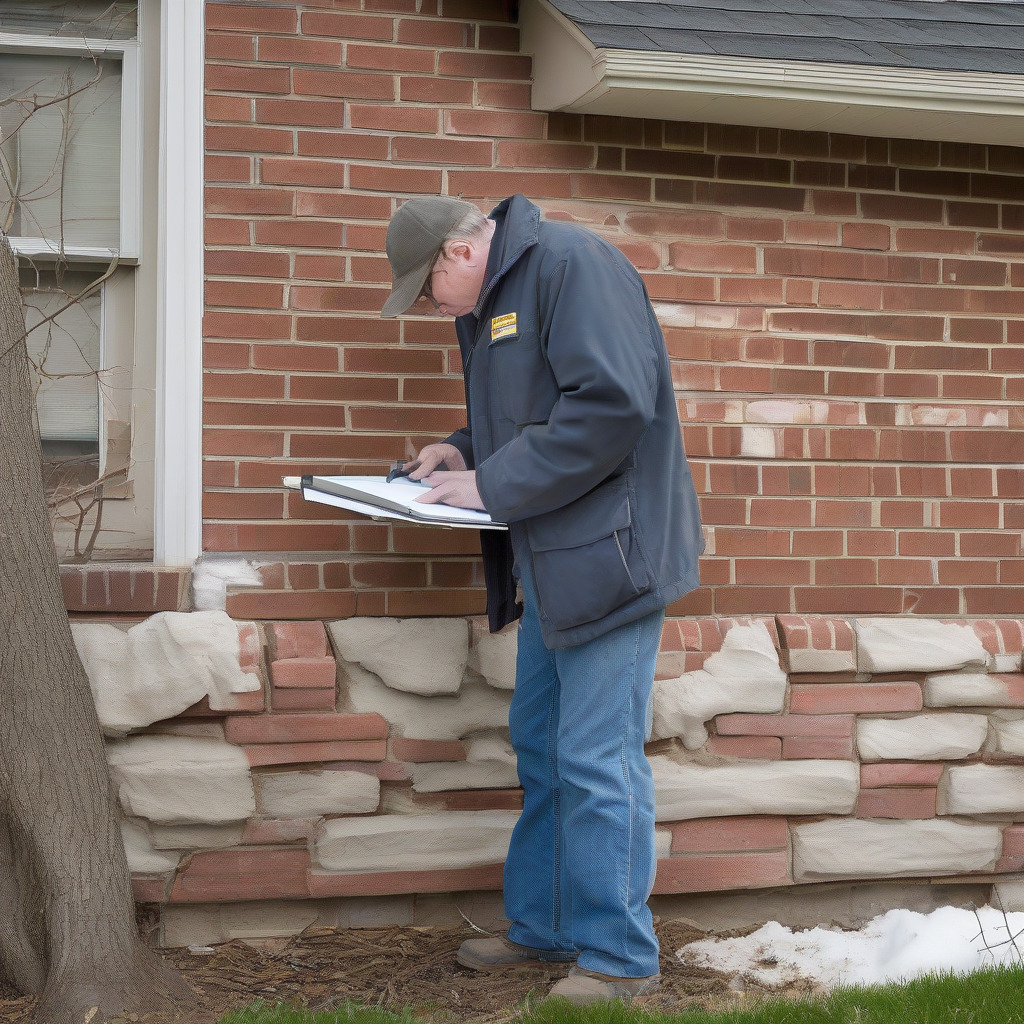
Home inspections feel routine until you’re the one holding a 47-page report on a 1928 bungalow in Irvington trying to figure out what’s urgent, what’s negotiable, and what the inspector wasn’t even authorized to check. For buyers in Indianapolis, the process has a wrinkle that most national real estate content ignores entirely: Indiana does not license home inspectors. That single fact reshapes everything — how you choose an inspector, how much weight you give their credentials, and what happens if they miss something significant.
This guide covers the full inspection process for Indianapolis buyers, from vetting an inspector without state help to understanding what your 1967 ranch in Beech Grove or your 2001 colonial in Fishers is likely to surface on the report.
Why Indiana Puts the Vetting Burden on You
Most states regulate home inspectors through licensing boards that set minimum training hours, exam requirements, and ongoing education standards. Indiana is not one of them. There is no licensing requirement whatsoever. A person with two weeks of experience and no professional training can legally market inspection services to Indianapolis buyers today.
This matters in a concrete way, not as a bureaucratic technicality. The inspection is often the last real opportunity a buyer has to learn what they’re purchasing before the earnest money becomes non-refundable and the contingency window closes. Handing that due diligence to an unvetted inspector is a genuine financial risk.
Some buyer’s agents in Indianapolis maintain referral lists of inspectors they’ve used and trust. But agents have their own interests — a deal that closes is better for them than one that falls apart over a report — so their referrals deserve scrutiny too. The only reliable approach is to know how to evaluate an inspector yourself.
How to Vet an Indianapolis Inspector Without State Help
Professional association membership is the most meaningful credentialing proxy available. The two organizations that matter are InterNACHI (International Association of Certified Home Inspectors) and ASHI (American Society of Home Inspectors). Both require members to pass exams, complete ongoing education, and follow published standards of practice.
InterNACHI is larger and more accessible to newer inspectors. ASHI’s Certified Inspector designation requires 250 paid inspections and a passing exam score — actual field experience, not just coursework. An ASHI Certified Inspector, or an InterNACHI Certified Professional Inspector with several years of local practice, is a defensible starting point. Neither credential is a guarantee, but they’re measurably better than nothing.
Ask about Errors and Omissions insurance. This is the professional liability coverage that matters if an inspector misses something significant and you pursue a claim. Not all inspectors carry it; some carry only general liability, which doesn’t cover professional mistakes. Ask directly: “Do you carry E&O insurance, and what’s the coverage limit?” A legitimate inspector answers without hesitation.
Request a sample report from a comparable property before booking. Not a summary — the full document. A professional report includes photographs of every noted defect, specific location references (“southeast corner of the basement, near the floor drain”), and language that distinguishes between safety hazards, deferred maintenance, and informational observations. Reports that are mostly checkbox grids without narrative are a problem. So is anything running fewer than 15 pages for a 1,500-square-foot home — a thorough inspector on a modest Indianapolis bungalow typically produces 30 to 60 pages. If the sample reads like a DMV form, keep looking.
Ask how many inspections they complete per week, whether they’ve worked in that specific neighborhood and era of housing, what sewer scope company they use, and whether the camera technician will be on-site alongside them. Those answers tell you more than the credential alone.
What a Standard Inspection Covers — and What It Doesn’t Touch
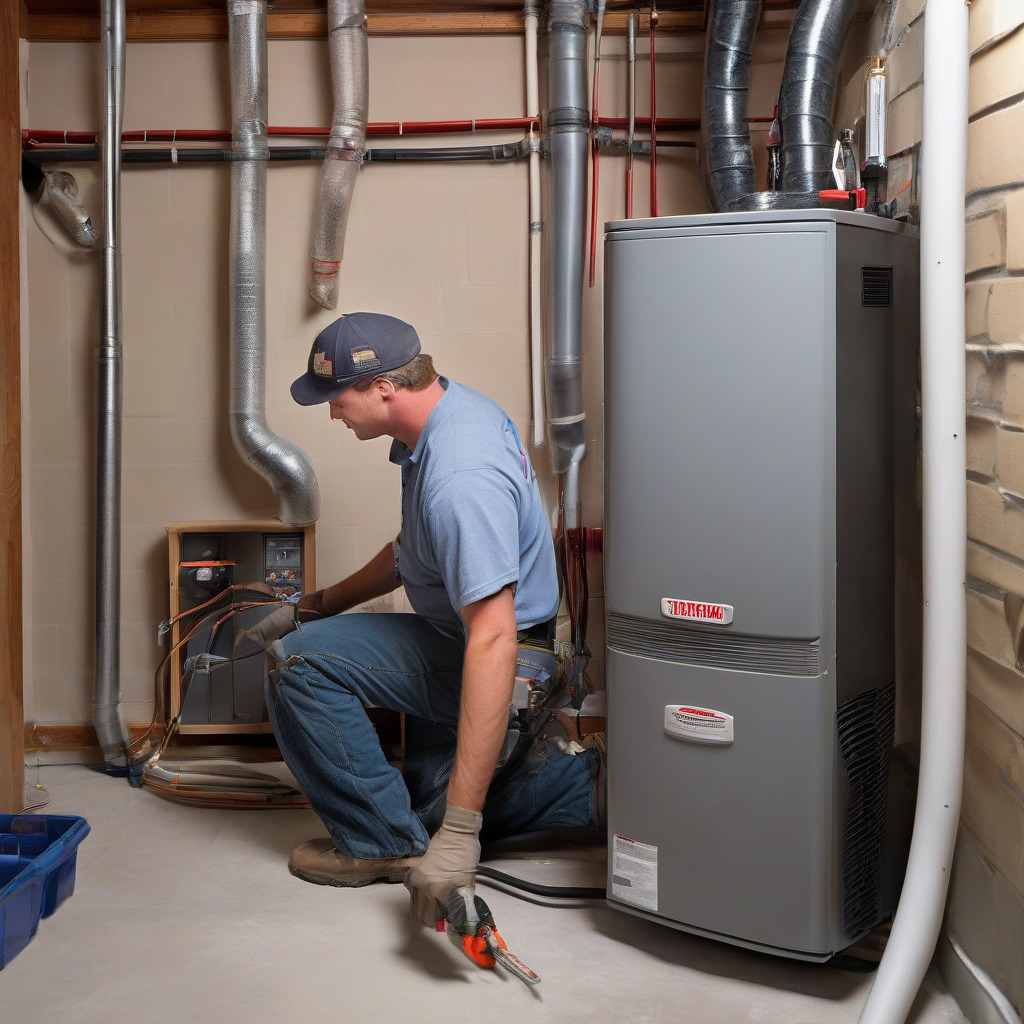
A standard inspection conducted under InterNACHI or ASHI standards covers the visually accessible and readily operable components: roof covering, flashings, gutters, and visible decking; foundation and structure including visible cracking, settlement, and drainage grading; electrical systems from panel through visible wiring, outlets, GFCI protection, and service entry; plumbing supply lines, drain lines, fixtures, and water heater; HVAC including furnace, air conditioning, distribution, and flue venting; attic insulation, ventilation, and visible rafters; interior walls, ceilings, floors, windows, doors, and stairways; and exterior elements including siding, trim, grading, and walkways.
What it doesn’t cover matters just as much. This is where buyers get surprised.
Radon detection requires a separate test. The inspector can note whether a mitigation system is present, but measuring actual radon levels requires a canister or monitor left in the home for 48 to 72 hours. This distinction matters enormously in Marion County — more on that below.
Sewer lateral lines — the buried pipes between the home and the municipal main — can’t be visually inspected. The pipe is underground. An inspector can run water and note drainage speed, but assessing what’s inside the pipe requires a camera scope.
Mold assessment goes beyond the inspection’s scope. An inspector may note visible staining or conditions conducive to growth, but air sampling and surface testing require a separate industrial hygienist or mold assessment contractor.
Termites and wood-destroying insects require a separate inspection by a licensed pest control operator. Many lenders require this independently for FHA and VA loans anyway.
Underground oil tanks in yards of older properties — particularly pre-1960 homes that once used fuel oil heat — can’t be detected visually. Detection requires ground-penetrating radar or soil testing. This surprises buyers every year.
Unpermitted work is another gap. An inspector can flag additions that look amateurish or code-inconsistent, but they can’t verify whether a basement finish job actually received a permit. That requires a separate search of permit records.
Understanding this list prevents the most common buyer frustration after closing: the sense that they “already had it inspected.”
How Long Will It Actually Take
For a condo or home under 1,000 square feet with slab foundation and no add-on testing, budget 90 minutes to two hours. A 1,200-to-2,000-square-foot single-family home — the most common Indianapolis resale — runs two and a half to three and a half hours for a thorough inspector. Older Meridian-Kessler or Irvington homes with significant deferred maintenance commonly run longer. This is not an errand you squeeze in between meetings.
A sewer scope typically takes 30 to 60 minutes, usually handled by a second technician while the main inspection proceeds. If both crews arrive simultaneously, it doesn’t necessarily extend your total time on-site, but coordinate with your inspector ahead of booking.
A radon canister test requires 48 to 72 hours in the home before retrieval and lab analysis; results typically return within a day after that. If your inspection contingency window is tight — as it sometimes is in competitive offer situations — discuss the timing explicitly before booking. Make sure your agent builds the radon turnaround into the contingency period. It’s easy to overlook and painful to discover too late.
What to Budget, Including the Add-Ons You Probably Shouldn’t Skip
The headline figure buyers see quoted — $300 to $500 — reflects a base inspection on a modestly sized home without additional testing. That number is real but incomplete for most Indianapolis resale transactions.
A realistic full-package budget:
- Base inspection, typical resale home: $300–$500
- Radon test (canister): $100–$150
- Sewer scope: $150–$250
A buyer who includes both add-ons should budget $500 to $800 all-in. Skipping them to save a couple hundred dollars on a transaction worth hundreds of thousands is a bad trade, full stop. Larger homes, properties with a pool, well, or septic system will add to this total.
Older Indianapolis Neighborhoods and What Inspectors Find
The eastside, near-northside, and older southside housing stock — Irvington, Fountain Square, Meridian-Kessler, Butler-Tarkington, Broad Ripple, Warfleigh — produces a specific set of recurring defects that experienced local inspectors recognize on sight. None of what follows should surprise you if you’re buying in these neighborhoods.
Knob-and-tube wiring remains in a meaningful share of Irvington’s Craftsman bungalows and other pre-1940 housing. It’s not automatically a dealbreaker — some is functional if it hasn’t been modified or buried under insulation. But most insurers won’t write a standard homeowner’s policy on a home with active knob-and-tube, which makes remediation a practical necessity regardless of electrical condition. Your inspector should note not just the presence of knob-and-tube but whether it’s been extended or spliced. Extended or spliced work is far more concerning than original, undisturbed installation.
Galvanized steel supply pipes appear in homes from roughly 1900 through the 1950s. They corrode from the inside out, reducing flow and eventually failing — often at the connection points with newer copper sections. An inspector can note low pressure at fixtures and visible corrosion at exposed sections, but the worst deterioration is inside the pipe walls where nothing is visible. If galvanized pipe is noted, call a plumber. Flow problems tend to worsen within a few years, not improve.
Foundation movement from clay soil shows up consistently in Meridian-Kessler and Butler-Tarkington. Mature street trees, high clay content, and moisture swings from wet Indiana springs to dry summers drive ongoing movement. Diagonal cracking at corners of poured-concrete foundations, step cracking in block foundations, doors and windows that stick seasonally — these all point to movement. An inspector documents what’s present. A structural engineer assesses severity and recommends remediation. The inspector’s job ends at the flag.
Sump pump dependency is near-universal in homes along the White River and Fall Creek corridors. The question isn’t whether there’s a sump pump but whether it works, whether there’s a battery backup, and whether the discharge line is properly routed. An inspector should run the pump by pouring water into the pit, not just observe it sitting dry. If the pump fails to activate, that needs remediation before occupancy.
Fountain Square’s flip problem is real. Inspectors working that neighborhood regularly find evidence of DIY or unpermitted renovation: mismatched wire gauges, improper drain venting behind freshly tiled bathrooms, structural members notched in ways that compromise their integrity. The work looks finished. Whether it was done correctly is a different question — which is exactly why pulling permit records matters so much there. For more context on what’s moving in that market and who’s buying it, what is actually selling in Fountain Square and who is getting there first is worth reading before you make an offer.
Aluminum wiring is a specific concern in the 1960s and 1970s ranch stock that dominates Lawrence, Beech Grove, and Speedway. Aluminum branch wiring — used when copper prices spiked — oxidizes at connection points and can create fire hazards. The fix isn’t necessarily full rewiring; COPALUM crimping or AlumiConn connectors at every device are accepted remediation methods, but the work requires a licensed electrician and typically runs several thousand dollars. An inspector should identify aluminum wiring at the panel and note visible branch circuit wiring in accessible areas.
Newer Suburbs Have Different Problems
Buyers shopping in Hamilton County — Carmel, Fishers, Westfield, Zionsville — or in the newer corridors of Hendricks and Boone counties sometimes assume a newer home means fewer inspection concerns. I understand the logic. It’s wrong. The defect list in these markets is different from the eastside stock. It is not short.
Aging HVAC systems are the most common finding in 2000s-era suburban housing. A furnace or air conditioner installed in 2002 is now past its expected useful life. If it’s still running, it may not show up on a report as failed — but “still running” and “reliable” aren’t the same thing. Budget for replacement.
Deck ledger connections are a persistent problem in homes where decks were added after original construction, sometimes without permits or proper flashing. A ledger that isn’t correctly flashed and bolted to the house framing is a collapse risk. The inspector should examine the attachment point and note whether flashing is present, whether bolts are properly spaced, and whether the framing appears adequate.
Garage fire separation — the code-required fire-rated wall and door between an attached garage and living space — turns up deficient in homes where garages were later finished or altered. Penetrations through the fire wall, non-rated doors, or pet doors cut into the separation wall are findings inspectors regularly document in Fishers and Carmel homes from the late 1990s and early 2000s. These are correctable, but they require actual work.
EIFS cladding — the synthetic stucco popular on higher-end homes in the late 1990s — warrants a dedicated moisture assessment on some Hamilton County properties from that era. Early “barrier” EIFS systems without drainage planes trap moisture behind the cladding, causing extensive wood rot and mold damage that’s invisible from the exterior. If the home you’re buying has this cladding, ask specifically whether the inspector is trained in EIFS assessment. Some will recommend a specialist. That’s the right call.
New construction isn’t exempt. Buyers purchasing newly built homes in Westfield or Zionsville sometimes skip inspections on the assumption that a city building inspector already signed off. Municipal inspection and a professional home inspection are different processes with different scopes. A thorough independent inspector on new construction regularly finds issues the municipal inspector didn’t catch: missing attic insulation in corners, improperly installed flashing, HVAC ductwork with disconnected joints. Brand-new doesn’t mean problem-free.
Indiana’s Climate Creates Specific Inspection Timing Concerns
Indianapolis experiences 22 to 27 freeze-thaw cycles in an average winter — temperatures crossing 32 degrees repeatedly between November and March. That’s hard on buildings in predictable ways, and the timing of your inspection affects what you’re likely to see.
Late winter and early spring inspections — roughly February through April — tend to reveal the full extent of seasonal damage. Chimney flashing that failed over the winter shows water infiltration most clearly when the ground is saturated. Foundation cracks that propagated through freeze-thaw cycles are freshest and most readable. Sump pumps have been tested by real conditions. If you’re buying in spring and can schedule your inspection in late February or March, you’re getting a more complete picture of how the home actually handled the season.
Winter inspections have a specific masking problem worth knowing: a frozen sump pump discharge line. The exterior discharge can freeze solid in January, backing water into the basement without the buyer or inspector ever seeing it during the walkthrough. Snow-covered roofs also prevent a visual inspection of the roof covering. A professional inspector notes when conditions prevent assessment rather than silently skipping it. If you get a winter report that doesn’t mention the roof at all, ask why.
Air conditioning systems can’t be tested when outdoor temperatures are too low — running a central AC unit in cold weather risks compressor damage. Expect to see “not tested due to outdoor temperature” in any winter inspection. Buyers purchasing in winter should negotiate either an HVAC-specific re-inspection when temperatures allow, or an appropriate credit at closing. For a sense of what HVAC replacement actually costs when that moment arrives, see what Indianapolis homeowners are actually paying for HVAC replacement in 2026.
Radon and Sewer Lines in Marion County
These two add-on tests deserve their own section because both address risks that are serious, hidden, and more common here than national averages suggest. If you skip both to save $250, you’ve made a poor trade.
Radon is a colorless, odorless radioactive gas that enters buildings through foundation cracks, utility penetrations, and slab joints. Marion County falls within the EPA’s Zone 1 designation — the highest predicted average indoor radon levels, above 4 picocuries per liter on average. Individual homes vary, which is precisely the point. The only way to know what’s happening in a specific house is to test it. A buyer who discovers elevated radon during the inspection period has a concrete, remediable finding to negotiate with. A buyer who skipped the test has no information and no leverage. Radon mitigation systems typically run $800 to $1,500 installed — real money you’d want the seller to address rather than absorb yourself.
Sewer lateral lines are the buried pipes carrying waste from the home to the municipal main. In pre-1970 Indianapolis housing, these laterals are typically clay tile or cast iron — materials now 50 to 100 years old, subject to root intrusion, settled joints, and outright collapse. A sewer scope takes 30 to 60 minutes and produces video of the entire lateral. Common findings on Marion County laterals include root intrusion at every joint in clay tile pipe, bellied sections where the pipe has settled and waste pools, and cracked or separated joints. A full lateral replacement runs $5,000 to $15,000 or more depending on depth and access. On any pre-1970 home in Marion County, the sewer scope is part of your standard inspection package. No exceptions.
When either test produces significant findings, get the report and video to your agent before the contingency expires. Radon above the EPA threshold and a compromised lateral are both grounds for a credit request or seller repair. You need the documentation in hand before the window closes.
Show Up, Ask Questions, and Pull the Permits
Three things separate buyers who get full value from an inspection from those who get a PDF they spend a month worrying about.
Attend in person. A report delivered to your inbox is a document. An inspection you attended is an education. Walk with the inspector. Ask where the main water shutoff is. Ask them to show you what stress cracking in a heat exchanger actually looks like when they flag it, rather than trying to interpret that language alone at 11 p.m. The two or three hours at the inspection are among the most useful of the entire purchase — more useful, honestly, than most of the time you’ll spend scrolling listings.
Ask for demonstrations, not just notes. The sump pump should be tested by pouring water into the pit, not just observed sitting dry. GFCI outlets should be tested with a plug-in tester. The furnace should be cycled through a full call for heat. Every exterior door should be operated. When an inspector says “observed but not tested,” push back where conditions don’t require that limitation.
Pull the permit history yourself. Marion County’s permit records are searchable through the city’s permit portal. For any property where you see evidence of renovation — a finished basement, a bathroom addition, a garage conversion, an electrical panel upgrade — run the address through the permit search before your contingency expires. An inspector can flag work that looks amateurish or inconsistent, but they can’t know whether a beautiful basement remodel was permitted and inspected or done over a weekend without a permit. If the permit record is blank on a clearly renovated property, you have either a disclosure issue to investigate or a negotiating point. You only have that leverage if you checked.
The inspection tells you what’s knowable about a property on a given day under the conditions present. In Indiana, where the state won’t make that process easier by licensing the person who wrote your report, doing your homework before you schedule the appointment — part of the broader due diligence covered in our home & property coverage — is worth more than anything you’ll read after the fact.